
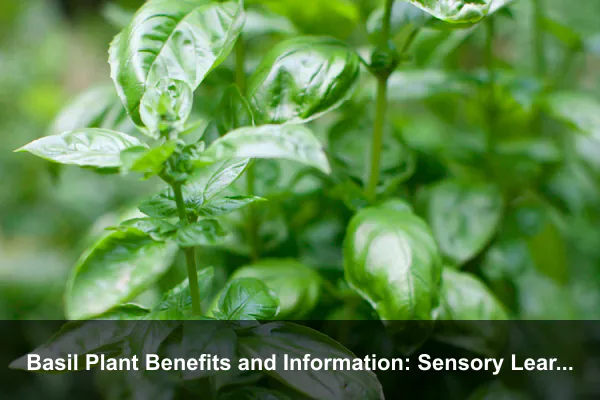
Basil is more than a fragrant kitchen herb. For many homes, schools, balcony gardens, and beginner herb corners, it is one of the easiest plants to observe, touch, smell, harvest, and learn from. This guide explores Basil plant benefits and information from a distinct angle: how basil can support sensory learning, botanical curiosity, practical food habits, and family-friendly gardening without turning the plant into a complicated project.
Instead of repeating only the usual growing tips or recipe ideas, this article looks at basil as a living teaching plant. Its soft leaves, quick growth, clear scent, visible flowers, and simple care needs make it useful for children, new gardeners, urban growers, and anyone who wants a more meaningful relationship with herbs. Basil offers everyday benefits through aroma, flavor, observation, pollinator awareness, gentle routines, and hands-on plant literacy.
Why Basil Is an Excellent Learning Herb
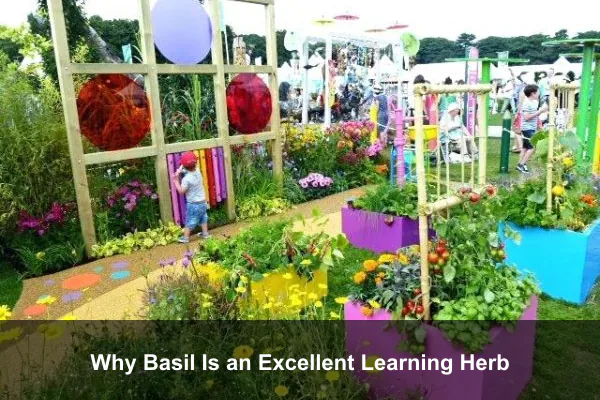
Basil is ideal for learning because it responds quickly to care. When it receives enough light, warmth, water, and regular harvesting, it grows visibly within days. That makes it easier for people to connect cause and effect: more sunlight usually means stronger stems, careful watering helps prevent wilt, and pinching the top encourages bushier growth.
For families and beginner gardeners, this responsiveness is valuable. Some plants grow slowly or hide their changes underground, but basil shows its progress through leaf size, stem length, branching, flower buds, scent intensity, and color. These visible signals help people understand plant needs without needing advanced equipment.
In the context of Manfaat Tanaman, or the practical benefits of plants, basil is useful because it combines food value with educational value. It is edible, aromatic, attractive, affordable, and compact. A single container on a windowsill or patio can become a small lesson in plant care, kitchen freshness, and natural cycles.
Basil Engages Multiple Senses
Many herbs are fragrant, but basil has a particularly immediate sensory impact. When a leaf is gently rubbed, the plant releases a bright, sweet, spicy aroma. This makes basil helpful for sensory gardens, where plants are chosen not only for appearance but also for smell, texture, and interaction.
- Smell: Basil leaves release aromatic oils that make the plant memorable and easy to identify.
- Touch: The leaves are soft and slightly textured, which helps learners notice plant surfaces.
- Sight: Bright green leaves, branching stems, and flower spikes make growth stages easy to observe.
- Taste: Small harvested leaves can introduce fresh herbal flavor in simple foods.
- Sound: Watering, snipping, and leaf movement in a breeze can make gardening feel calm and present.
It Teaches Patience Without Moving Too Slowly
Basil grows fast enough to keep attention, but it still requires patience. Seeds need time to sprout, young plants need time to strengthen, and frequent overharvesting can weaken growth. This balance makes basil a good teaching plant for responsible care. It rewards consistency without demanding perfection.
Basic Basil Plant Information for Better Understanding
Basil belongs to the mint family, Lamiaceae, which includes many aromatic plants such as mint, rosemary, thyme, oregano, and lavender. Most culinary basil varieties are forms of Ocimum basilicum. The plant is usually grown as a warm-season annual, although in tropical or frost-free climates it may live longer if managed well.
Basil has square stems, opposite leaves, and flower spikes that develop when the plant matures or experiences stress. These features make it useful for simple botany lessons. By observing basil closely, gardeners can learn about plant families, leaf arrangement, flowering behavior, and how harvesting affects growth.
Key Botanical Features
- Plant type: Tender culinary herb, often grown as an annual.
- Botanical family: Lamiaceae, commonly known as the mint family.
- Common edible part: Fresh leaves, tender stems, and sometimes flowers.
- Preferred conditions: Warmth, bright light, well-draining soil, and steady moisture.
- Growth habit: Upright, branching, leafy, and responsive to pinching.
Common Types Used in Home Gardens
There are many basil types, but a family learning garden does not need a large collection. Starting with one or two varieties is enough. Sweet basil is the most familiar and versatile for cooking. Thai basil has a stronger, more anise-like scent and often purple stems. Lemon basil offers a citrus note that makes scent comparison easy.
Choosing different basil types can turn a small herb corner into a sensory comparison activity. Learners can observe leaf shape, stem color, aroma, growth speed, and flowering patterns. The goal is not to collect every variety, but to notice how plants can belong to the same group while still showing unique traits.
Practical Benefits of Basil in Daily Life
The most familiar benefit of basil is its culinary value. Fresh leaves can brighten salads, soups, sauces, sandwiches, rice dishes, eggs, grilled vegetables, and homemade dressings. However, basil plant benefits go beyond flavor. It supports better food habits by making fresh ingredients visible and easy to reach.
When a herb is growing nearby, people are more likely to add a handful of fresh leaves instead of relying only on packaged flavorings. This does not make basil a cure or a replacement for a balanced diet, but it does encourage fresher meals and a closer connection to ingredients.
Fresh Flavor With Minimal Processing
Basil offers strong flavor in small amounts. A few leaves can add aroma and freshness without needing heavy sauces or excessive salt. This makes it useful for people who want meals to feel more vibrant while keeping preparation simple.
- Add torn basil leaves to cooked dishes after heat is turned off to protect aroma.
- Use small leaves whole in salads or wraps for a fresh herbal accent.
- Stir chopped basil into yogurt-based dips, tomato mixtures, or olive oil dressings.
- Freeze extra leaves in small portions with water or oil for later cooking use.
A Gentle Way to Build Food Curiosity
Basil can help children and hesitant eaters explore flavor gradually. Because the plant is easy to smell before tasting, it gives people a preview. A child may first smell a leaf, then tear it, then touch it to food, and eventually taste a tiny piece. This step-by-step experience can make fresh herbs feel less unfamiliar.
For adults, basil can also revive interest in simple cooking. A bowl of tomatoes, a plate of noodles, or a basic omelet can feel more intentional with fresh leaves added at the end. The plant encourages small improvements that are easy to repeat.
Emotional and Routine Benefits
Caring for basil can become a grounding routine. Checking soil moisture, rotating the pot, removing yellow leaves, and harvesting a few sprigs are short tasks that create a daily pause. The benefit is not mystical; it comes from attention, rhythm, and contact with something living.
Many people find that small plant routines help make a home feel calmer and more cared for. Basil adds the extra reward of fragrance. Even a brief touch can release scent, making the plant noticeable in a way that many decorative plants are not.
Using Basil for Sensory Activities at Home or School
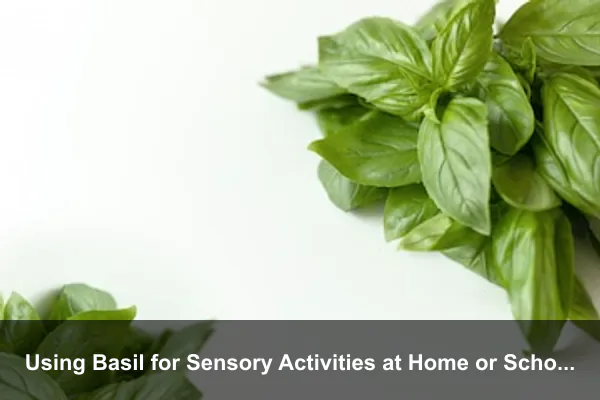
Basil is a strong candidate for educational activities because it is safe to observe, easy to grow in containers, and engaging at different ages. Adults should still supervise young children, especially when tasting any plant, but basil is widely used as a culinary herb and can be incorporated into simple learning activities.
Leaf Observation Activity
Invite learners to compare young and mature basil leaves. Ask them to look at color, vein pattern, edge shape, size, and scent. They can draw the leaves, measure them, or place them in order from smallest to largest. This builds observation skills while keeping the activity low-cost.
- Choose three leaves from different parts of the plant.
- Look at the top and underside of each leaf.
- Notice whether the scent changes after gently rubbing the leaf.
- Draw or describe the differences using simple words.
Growth Journal Activity
A basil growth journal helps learners notice change over time. Once or twice a week, they can record plant height, number of leaf pairs, watering dates, sunlight conditions, and any visible changes. This introduces basic scientific thinking without making gardening feel formal.
The journal can also include questions: What happened after the top was pinched? Did the plant lean toward the light? Did new branches appear? Did leaves become pale when the plant stayed in shade? These small observations help people understand that plants communicate through growth patterns.
Aroma Comparison Activity
If more than one basil variety is available, compare their scents. Sweet basil, Thai basil, lemon basil, and purple basil can smell noticeably different. Learners can describe the aroma using everyday words such as sweet, spicy, lemony, peppery, fresh, warm, or strong.
This activity is useful because it teaches that plant benefits are not only nutritional or decorative. Aroma is part of how humans experience plants. Fragrant herbs can influence how appetizing a meal feels and how enjoyable a garden corner becomes.
How to Grow Basil for Strong Sensory and Culinary Value
For basil to be useful as a sensory and culinary plant, it needs enough energy to produce healthy leaves. Weak, leggy basil has less practical value because it produces fewer leaves and often struggles after harvesting. Good care helps the plant become fuller, more aromatic, and easier to use.
Light and Placement
Basil performs best in bright light. Outdoors, it usually prefers several hours of sun each day, especially morning sun in hot climates. Indoors, it should be placed near the brightest available window or under a suitable grow light. If basil stretches toward one side, rotate the pot regularly so growth stays balanced.
In very hot afternoon conditions, especially in containers, basil may benefit from light shade. The goal is strong brightness without severe heat stress. Wilt during extreme heat does not always mean the plant needs more water immediately; sometimes it is reacting to temperature. Check the soil before watering again.
Watering Without Drowning the Roots
Basil likes steady moisture but dislikes soggy soil. The best approach is to water when the top layer of soil begins to feel dry, then allow excess water to drain. Containers should have drainage holes. A pot sitting in trapped water can lead to root problems, yellowing leaves, and weak growth.
For families, watering basil is a useful responsibility lesson. Instead of watering on autopilot, learners can touch the soil and decide whether the plant actually needs water. This builds better gardening judgment than following a rigid schedule.
Soil and Container Choice
Use a loose, well-draining potting mix for container basil. Garden soil can become compacted in pots, so a prepared potting mix is usually better. The container should be large enough to support root growth and stable enough not to dry out too quickly. Small pots are convenient but may need more frequent watering.
For a family herb station, one medium container is often better than several tiny ones. It gives the basil more room, reduces stress, and produces enough leaves for small harvests. A container near the kitchen, balcony door, or sunny patio makes the plant easier to notice and use.
Harvesting Basil as a Learning Process
Harvesting is one of the most important parts of basil care. Many beginners remove individual large leaves from the bottom, but basil often responds better when stems are pinched or cut just above a pair of leaves. This encourages branching and helps the plant become bushier.
How to Pinch Basil Correctly
Look for a section of stem with pairs of leaves. Cut or pinch just above a leaf pair, leaving the plant with nodes that can produce new side shoots. Avoid removing too much at once from a small plant. A young basil plant needs enough leaves to keep making energy.
- Wait until the plant has several sets of true leaves.
- Find the top growing tip above a healthy leaf pair.
- Pinch or snip cleanly above that pair.
- Use the harvested top in food or place it in water briefly before cooking.
- Watch for new branches forming from the remaining nodes.
Turning Harvest Into Observation
After pinching, observe the plant for the next week. New side shoots often appear near the cut point. This is one of the clearest ways to see how pruning changes plant shape. It also teaches that harvesting can support growth when done thoughtfully.
This lesson is especially useful for children because it challenges the idea that cutting a plant is always harmful. With herbs like basil, careful harvesting is part of healthy management. The plant becomes fuller, and the gardener receives fresh leaves.
Managing Flowers
Basil flowers are attractive and can support pollinators outdoors, but flowering often changes leaf texture and flavor. If your main goal is leaf production, pinch off flower buds when they appear. If your goal is observation, pollinator learning, or seed collection, allow some flower spikes to develop.
A balanced approach is to keep one plant for leaves and allow another to flower. This keeps the kitchen supplied while still giving learners a chance to observe flowers, insects, seed formation, and the plant life cycle.
Food Safety and Sensible Use of Fresh Basil
Basil is widely used in food, but fresh herbs should still be handled carefully. Because leaves are eaten raw in many dishes, cleanliness matters. Wash hands before harvesting, use clean scissors, and rinse leaves gently if they are dusty or exposed to outdoor debris.
People with allergies, medical conditions, pregnancy concerns, or medication questions should avoid treating basil as a medical remedy without professional advice. Basil can be part of normal food habits, but it should not be promoted as a cure for illness.
Simple Food-Safe Handling Tips
- Harvest from plants grown away from pesticides not intended for edible herbs.
- Rinse leaves gently and dry them before adding to salads or cold foods.
- Use clean tools when cutting stems.
- Store harvested basil loosely wrapped, not crushed in a wet pile.
- Discard leaves that are slimy, moldy, or have an unpleasant smell.
Safe Use Around Pets and Children
Basil is commonly grown in family spaces, but supervision is still sensible. Teach children to ask before tasting any plant, even if one plant is edible. This prevents confusion with non-edible ornamentals. For pets, occasional contact with basil is usually less concerning than many toxic houseplants, but large amounts of any unfamiliar plant can upset digestion. Place herbs where they can be enjoyed without being destroyed.
Designing a Small Basil Learning Corner
A basil learning corner does not need to be large. A sunny shelf, balcony rail planter, patio pot, or kitchen window area can work if the plant receives enough light. The goal is to make basil easy to observe and harvest while keeping the setup tidy.
What to Include
- One healthy basil plant: Choose a compact, leafy plant or start from seed if you want to observe germination.
- A container with drainage: Good drainage prevents water from collecting around the roots.
- A small watering can: This makes careful watering easier for beginners.
- Clean scissors: Use them for harvesting and pruning.
- A notebook or label: Track dates, growth changes, and harvests.
Best Placement Ideas
Place basil where people naturally pass by. A hidden plant is easier to forget. Near a kitchen window, balcony door, outdoor dining area, or classroom sink can work well. The plant should be accessible but not constantly bumped or overhandled.
If the plant is part of a family routine, assign simple roles. One person checks soil moisture, another records growth, and another helps harvest for meals. Shared care turns basil into more than decoration; it becomes a small household project.
Common Basil Problems and What They Teach
Every basil problem can become a learning opportunity. Yellow leaves, drooping stems, pale growth, and early flowering are not just failures. They are signals. Reading those signals helps gardeners become more confident with other plants too.
Leggy Growth
Long, weak stems usually mean basil needs more light or more regular pinching. Move the plant to a brighter spot and prune carefully above leaf nodes. This teaches how light affects plant structure.
Yellow Leaves
Yellowing can be caused by overwatering, poor drainage, low nutrients, old leaves, or stress. Check the soil first. If it is constantly wet, improve drainage and water less often. If the plant is rootbound or pale overall, it may need fresh potting mix or gentle feeding.
Wilting
Wilting can happen from underwatering, heat stress, or root problems. Touch the soil before responding. Dry soil suggests watering is needed. Wet soil with wilting may indicate root stress, which requires a different solution. This distinction is one of the most valuable lessons basil can teach.
Early Flowering
Basil may flower early when stressed, mature, or exposed to heat. Pinch buds if leaf production is the goal. Let some flowers remain if you want pollinator activity or seed observation. Flowering shows that the plant is moving into reproduction, not simply producing leaves for human use.
SEO Summary: Basil Plant Benefits and Information in One View
For readers looking for clear Basil plant benefits and information, the most important point is that basil is a practical, edible, aromatic, and educational herb. It supports fresh cooking, sensory engagement, beginner gardening, family routines, and simple botanical learning. It grows well in containers, responds to pruning, and provides visible feedback that helps people understand plant care.
Basil is especially valuable because it bridges the gap between ornamental plants and edible gardening. It looks attractive, smells pleasant, tastes fresh, and teaches useful plant-care habits. Whether grown on a balcony, patio, classroom shelf, or sunny kitchen window, it offers benefits that are both practical and experiential.
Conclusion
Basil deserves its popularity, but its value is broader than a garnish or sauce ingredient. When viewed as a sensory learning plant, basil becomes a tool for observation, family connection, food curiosity, and everyday plant education. Its aroma invites attention, its leaves encourage gentle harvesting, and its quick growth helps beginners see the results of care.
By growing basil thoughtfully, you gain fresh flavor, a useful teaching plant, and a small daily routine that connects home life with nature. For anyone exploring Basil plant benefits and information, this herb offers a simple but meaningful starting point: easy to grow, easy to use, and rich with lessons that continue from seedling to harvest.
