

Rosemary is more than a familiar kitchen herb. It is a woody, evergreen plant that can bring fragrance, structure, flavor, and practical value to small outdoor spaces. For gardeners who want a useful plant without building a high-maintenance herb bed, rosemary offers a rare mix of beauty and function: it looks good in a pot, handles dry conditions better than many leafy herbs, and can be harvested in small amounts throughout much of the year.
This guide takes a distinct small-space and water-wise approach to Rosemary plant benefits and information. Instead of treating rosemary only as a Mediterranean cooking herb, it focuses on how to use rosemary as a compact, drought-tolerant, aromatic plant for balconies, patios, sunny doorways, raised planters, and low-water home gardens. You will learn what rosemary offers, how to keep it healthy in containers, how to prune it before it becomes woody and weak, and how to use it safely and realistically at home.
For anyone interested in plant benefits, rosemary is a good example of a plant that earns its place through several small advantages rather than one dramatic claim. Its value comes from daily usefulness: a sprig for roasted vegetables, a fragrant touch near a path, evergreen shape in a pot, and lower watering needs once the plant is established.
Why Rosemary Works So Well in Water-Wise Containers

Rosemary naturally suits dry, bright environments. In its native Mediterranean-type climate, it evolved with sun, lean soils, breezes, and periods without heavy rainfall. That background makes rosemary different from soft herbs such as mint, parsley, or cilantro, which often wilt quickly in hot containers. When rosemary is grown in the right potting mix and given enough light, it can become a dependable herb that does not demand constant attention.
A Useful Herb With Shrub-Like Strength
Botanically, rosemary is now commonly classified as Salvia rosmarinus, though many nurseries and gardeners still know it by the older name Rosmarinus officinalis. This matters because rosemary behaves more like a small shrub than a tender annual herb. It develops woody stems, holds narrow evergreen leaves, and can live for years in suitable conditions.
That shrub-like habit is one reason rosemary works so well in containers. A healthy plant can be shaped, clipped, moved, and used as a design element, not just a temporary kitchen crop. In a sunny balcony garden, one rosemary plant can visually anchor smaller seasonal herbs. In a patio pot, it can provide height and texture even when other plants are resting.
Practical Rosemary Benefits for Small Spaces
The main rosemary plant benefits are practical and easy to understand. They include:
- Culinary value: A few fresh leaves can flavor potatoes, bread, beans, soups, mushrooms, poultry, fish, and grilled vegetables.
- Aromatic foliage: Brushing the leaves releases a clean, resinous fragrance that makes walkways, balconies, and kitchen entries feel fresher.
- Evergreen structure: Rosemary stays attractive longer than many soft herbs, especially in mild climates.
- Lower water demand: Once established, rosemary usually prefers drying slightly between waterings rather than sitting in wet soil.
- Space efficiency: One compact plant can supply small harvests without taking over a bed.
- Design flexibility: Upright forms work in containers, while trailing forms can soften walls, raised beds, and planter edges.
These benefits make rosemary a smart choice for people who want plant value without adding complicated routines. The key is to respect what rosemary is: a sun-loving, drainage-loving woody herb.
Essential Rosemary Plant Information Before You Grow It
Good rosemary care begins with the right expectations. Rosemary is often sold beside basil and mint, but it does not want the same treatment. It dislikes soggy soil, heavy shade, and constant pampering. If you grow it like a Mediterranean shrub instead of a leafy salad herb, the plant becomes much easier to understand.
Growth Habit and Life Cycle
Rosemary can be perennial in warm and mild regions, especially where winter temperatures do not drop too far below freezing. In colder climates, it may need winter protection, a sheltered location, or seasonal replacement. In containers, rosemary is often easier to protect because the pot can be moved away from harsh wind, heavy rain, or deep cold.
Mature size depends on variety and pruning. Upright rosemary types can become small shrubs, while trailing types spill gracefully from containers. Some compact varieties stay shorter and are better for tight patios or herb shelves. The plant grows more slowly than basil or mint, but that slower pace is part of its advantage: it does not usually overwhelm a small space.
Leaves, Flowers, and Aroma
Rosemary leaves are narrow, firm, and needle-like, with a green upper surface and a paler underside. The leaves contain aromatic oils that give rosemary its distinctive scent. Flowers are usually blue to lavender, though some varieties may produce pale pink or white blooms. Flowering is more common when the plant receives strong light and is not overfed.
The aroma can vary slightly between plants. Some smell piney and sharp, while others seem warmer or more floral. If you are buying rosemary for cooking, lightly touch a leaf at the nursery and smell it. Choose a plant with a fragrance you actually enjoy, because that scent will define your experience with the plant.
Choosing the Right Rosemary for Your Space
Not all rosemary plants create the same effect. Choosing the right form is one of the simplest ways to avoid disappointment. The best plant for a sunny windowsill pot may not be the best plant for a large patio container, and a trailing rosemary may look awkward if you expect it to stand upright.
Upright Rosemary for Structure
Upright rosemary varieties grow with vertical stems and a more shrub-like outline. They are useful when you want a plant that adds height and presence. In a large terracotta pot, an upright rosemary can look clean, architectural, and productive. It can also be lightly shaped into a rounded shrub or a small topiary-style form if you prune regularly.
Upright forms are especially useful near a sunny kitchen door, beside an outdoor seating area, or at the back of a mixed herb container. Give them enough root space and avoid crowding their base with thirsty plants that need constant watering.
Trailing Rosemary for Edges and Walls
Trailing or prostrate rosemary grows outward and downward. It works beautifully over the edge of raised beds, retaining walls, balcony planters, and wide containers. Instead of providing height, it creates movement and softens hard edges.
This type is useful if your space has vertical surfaces or planter rims that need greenery. It can still be harvested for cooking, but its main design benefit is the way it drapes. Make sure the container drains well, because trailing stems can suffer if the root zone stays wet.
Compact Rosemary for Beginners
Compact rosemary is often the easiest choice for new growers. It stays manageable, fits smaller pots, and needs less shaping than vigorous upright forms. If your goal is a simple balcony herb that supplies occasional sprigs, a compact plant is usually enough.
When shopping, choose a rosemary plant with dense growth, firm stems, and no sour smell from the potting mix. Avoid plants with blackened stems, yellowing lower leaves, or soil that feels swampy. A slightly dry rosemary at the nursery is often safer than one that has been constantly soaked.
Light, Soil, and Water: The Rosemary Success Triangle
The most important rosemary plant information for home growers can be reduced to three words: light, drainage, and restraint. Rosemary does not need rich soil or daily watering. It needs sun, air around the roots, and time to dry between drinks.
Give Rosemary Strong Light
Rosemary performs best with full sun. Outdoors, aim for at least six hours of direct light each day. More light often means stronger stems, better aroma, and a denser shape. In partial shade, rosemary may survive, but it often becomes thin, stretched, and less flavorful.
Indoor rosemary is more difficult because indoor light is usually weaker than it appears to human eyes. A bright window may help, but a balcony, patio, or outdoor sill is usually better if the climate allows. If you grow rosemary indoors for winter protection, place it in the brightest available location and avoid warm, stagnant corners.
Use Fast-Draining Potting Mix
Rosemary roots dislike staying wet. Standard potting soil can work if it drains freely, but many mixes hold too much moisture for too long, especially in deep plastic pots. A better container mix is loose, airy, and mineral-rich. You can improve drainage by using a quality potting mix blended with coarse perlite, pumice, or horticultural grit.
The pot itself matters too. Terracotta pots help moisture evaporate through the sides, which can benefit rosemary in humid or rainy areas. Plastic pots hold moisture longer, so they require more careful watering. Whatever pot you choose, it must have drainage holes. A decorative outer pot without drainage can trap water and quietly damage the roots.
Water Deeply, Then Wait
Rosemary watering should be deliberate rather than frequent. When the upper part of the mix is dry, water deeply until excess water drains from the bottom. Then let the pot dry again before watering. The exact schedule depends on light, temperature, wind, pot size, and soil mix.
A small rosemary in a hot balcony pot may need water more often than a mature plant in a large container. During cool or cloudy weather, the same plant may need far less. Instead of following a fixed calendar, check the soil. If it still feels moist below the surface, wait.
Designing a Small Water-Wise Rosemary Garden
Rosemary is especially useful when you think of it as part of a small water-wise planting design. It pairs best with plants that enjoy similar conditions. Many container problems happen when rosemary is planted with herbs that want richer, wetter soil. Mint, for example, often wants more water and can become aggressive. Basil grows fast and drinks more. Rosemary prefers a leaner, drier rhythm.
Good Container Partners
In a large pot or raised planter, rosemary can grow with other sun-loving, drainage-friendly herbs and ornamentals. Good companion choices often include thyme, oregano, sage, lavender, and certain drought-tolerant flowering plants. These plants usually prefer brighter light and less constant moisture than tender leafy herbs.
Even with compatible plants, give rosemary room. Airflow helps reduce fungal problems and keeps the plant from becoming crowded. If you use rosemary as the main plant in a container, place smaller companions near the edge rather than directly against the trunk.
Placement Ideas for Balconies and Patios
Use rosemary where you will actually interact with it. A sunny corner that you never visit is less useful than a pot near a doorway or cooking area. The best placement combines plant health with daily convenience.
- Place upright rosemary beside a sunny kitchen door for quick harvests.
- Use trailing rosemary on a balcony ledge or raised planter edge.
- Set a compact rosemary pot near an outdoor dining table for fragrance and easy clipping.
- Group rosemary with other low-water herbs in matching clay pots for a clean, organized look.
- Use rosemary as a vertical accent in a small edible container garden.
For renters or apartment gardeners, rosemary is valuable because it can move with you. A healthy container plant can be shifted for better sun, protected from storms, or brought to a sheltered area during cold weather.
Everyday Uses That Make Rosemary Worth Growing
The most reliable benefits of rosemary are not dramatic health promises. They are everyday benefits that build value over time. A plant you use weekly is more meaningful than a plant you admire once and forget.
Fresh Cooking Flavor
Rosemary has a strong flavor, so a little goes a long way. Fresh leaves can be chopped finely or added as whole sprigs during cooking and removed before serving. The flavor works well with roasted potatoes, olive oil, focaccia, tomato dishes, white beans, mushrooms, lamb, chicken, fish, and grilled vegetables.
Because rosemary leaves are firm, they are usually better cooked than eaten raw in large pieces. If using fresh rosemary in salads, dressings, or butter, chop it very finely. Young tender tips are milder than older woody growth.
Aroma for Outdoor Living
Rosemary fragrance is one reason the plant feels so rewarding. Brushing past the leaves releases an herbal, resinous scent. This makes rosemary useful near seating areas, pathways, balconies, and workspaces where you want a natural aromatic accent.
The scent is pleasant, but it should be understood realistically. Rosemary is not a substitute for cleaning, ventilation, pest control, or medical care. Its aroma simply adds a fresh sensory layer to the home garden. For many people, that small daily experience is one of the most enjoyable plant benefits.
Low-Waste Harvesting
Growing rosemary at home can reduce the need to buy plastic-packed herb bundles when you only need a small amount. Instead of purchasing more than you will use, you can clip one sprig. This is especially helpful for people who cook occasionally and dislike wasting store-bought herbs.
To harvest, cut soft green tips rather than stripping random leaves from many stems. This keeps the plant tidy and encourages branching. Avoid removing more than about one-third of the plant at one time, especially from young or stressed rosemary.
Pruning Rosemary as a Long-Lived Woody Herb
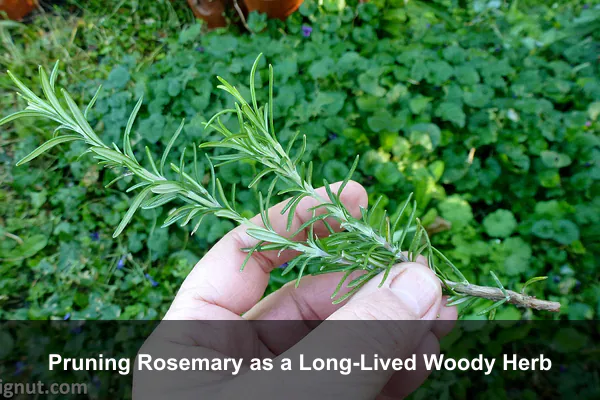
Pruning is where many rosemary plants succeed or fail. A young rosemary plant may look naturally dense, but without thoughtful clipping it can become woody, hollow, and bare in the center. Regular light pruning keeps rosemary productive and attractive.
Prune Lightly and Often
The best rosemary pruning is usually small and frequent. Clip the growing tips when you cook, and shape the plant lightly after a flush of growth. This encourages side shoots and prevents the plant from putting all its energy into long, stiff stems.
Avoid hard pruning into old, leafless wood. Rosemary does not always regrow well from bare woody stems. If a branch has no green leaves or active shoots, cutting it back severely may leave a permanent gap. It is better to guide the plant while it is still leafy than to rescue it after it becomes overgrown.
Shape for Airflow and Strength
For upright rosemary, remove weak crossing stems and shorten long branches to maintain balance. For trailing rosemary, trim stems that become too long or sparse. Always use clean, sharp scissors or pruners. Ragged cuts can dry poorly and make the plant look untidy.
Good airflow matters in humid climates. If the plant is too dense, moisture can linger inside the foliage. Light thinning helps sunlight reach inner growth and reduces the chance of fungal issues. The goal is not to make rosemary look artificially perfect, but to keep it open, leafy, and strong.
Use Pruning as Harvesting
Pruning and harvesting should work together. Instead of cutting rosemary only when it becomes messy, clip it in small amounts for cooking. Each harvest becomes a shaping cut. Choose stems that improve the plant outline, and cut just above a set of leaves or a branching point.
This approach keeps rosemary useful and beautiful at the same time. It also prevents the common mistake of stripping leaves from the lower stem, which can leave bare sticks behind.
Common Rosemary Problems in Containers
Rosemary is often described as easy, but it is only easy when its basic conditions are right. Most failures come from too much water, too little light, or a potting mix that stays wet around the roots.
Yellow Leaves and Weak Growth
Yellowing leaves can be caused by overwatering, poor drainage, low light, or nutrient imbalance. In containers, the first thing to check is moisture. If the soil is wet and the plant looks dull, reduce watering and improve airflow. If the pot has no drainage holes, repot immediately into a proper container.
Low light can also cause weak, pale growth. Move the plant to a brighter spot gradually, especially if it has been shaded for a long time. Sudden intense sun can stress tender indoor growth, so transition the plant over several days when possible.
Root Rot and Soggy Soil
Root rot is one of the most serious rosemary problems. Symptoms may include wilting even when soil is wet, browning stems near the base, sour-smelling soil, and sudden decline. Once roots are badly damaged, recovery is difficult.
Prevention is better than rescue. Use a fast-draining mix, water only when needed, and never let the pot sit in a saucer of water. If heavy rain is common, move container rosemary under partial cover during prolonged storms.
Dry, Crispy Tips
Dry tips can happen when the plant is too dry for too long, when roots are damaged, or when indoor air is very dry and warm. Check the root ball carefully. Sometimes water runs down the side of a dry pot without soaking the center. In that case, water slowly until the mix is evenly moistened.
Do not respond to crispy tips by watering every day. First identify whether the soil is actually dry or whether damaged roots are unable to take up moisture. The treatment is different.
Safe and Realistic Wellness Value of Rosemary
Rosemary has a long history in cooking, traditional herbal use, and aromatic home routines. It contains natural compounds that contribute to its scent and flavor, and it is often associated with clarity, warmth, and comfort. However, the safest way to discuss rosemary benefits is with realistic limits.
Food Use Versus Medicinal Use
Using rosemary as a culinary herb is generally different from taking concentrated extracts or essential oils. Normal food amounts are common in many cuisines. Concentrated rosemary products can be much stronger and may not be appropriate for everyone.
People who are pregnant, managing chronic health conditions, taking medication, or considering rosemary supplements should speak with a qualified health professional. Rosemary essential oil should not be swallowed unless supervised by a qualified practitioner, and it should be kept away from children and pets.
Pet and Household Safety
A rosemary plant in a pot is usually not the same risk as concentrated oil, but pets may still chew plants unpredictably. Place rosemary where pets cannot overgraze it. If a pet has known sensitivities, digestive issues, or unusual symptoms after eating plants, contact a veterinarian.
For households with sensitive skin, test handling gradually. Some people may experience irritation from aromatic plants. Wearing gloves during pruning can help if your skin reacts easily.
A Simple Rosemary Setup Plan for Beginners
If you want an easy starting point, begin with one healthy rosemary plant in one well-drained pot. Do not overcomplicate the first setup. Rosemary rewards restraint.
- Choose the sunniest practical location. Outdoor sun is best, especially morning to afternoon light.
- Select a pot with drainage holes. A medium terracotta pot is a good beginner choice because it dries more evenly.
- Use a gritty, fast-draining mix. Avoid dense soil that stays wet for days.
- Plant at the same depth. Do not bury the woody crown deeper than it was in the nursery pot.
- Water thoroughly after planting. Then let the mix begin to dry before watering again.
- Wait before fertilizing heavily. Rosemary does not need rich feeding to be useful.
- Clip small tips regularly. Use cooking harvests to shape the plant.
After a few weeks, observe the plant. Healthy rosemary should produce firm new growth, maintain good color, and smell fresh when touched. If it stretches, it needs more light. If it yellows and the soil stays wet, it needs better drainage or less frequent watering.
How Rosemary Fits Into a Benefit-Focused Garden
In a benefit-focused garden, every plant should justify the space it uses. Rosemary does this well because it combines edible, sensory, ornamental, and water-wise value. It is not just a garnish. It can be part of a practical home system where plants support cooking, comfort, design, and resource awareness.
For small households, one rosemary plant may be enough. For serious cooks, two plants may be useful: one upright near the kitchen and one trailing in a larger outdoor container. For dry-climate gardens, rosemary can become part of a broader low-water planting plan. For balcony gardeners, it can act as a permanent anchor while seasonal herbs rotate around it.
The best way to appreciate rosemary is to use it often and observe it closely. Notice how it responds after pruning, how quickly the pot dries in different weather, and which dishes benefit from fresh leaves. That practical relationship is where the real rosemary plant benefits appear.
Conclusion
Rosemary is a strong choice for gardeners who want beauty, fragrance, flavor, and lower water needs in one compact plant. Its success depends less on complicated care and more on matching its natural preferences: bright light, sharp drainage, moderate watering, and regular light pruning.
When grown as a water-wise container herb, rosemary becomes especially valuable for balconies, patios, sunny doorways, and small edible gardens. It offers everyday usefulness without demanding constant attention. With the right pot, the right placement, and realistic expectations, rosemary can become one of the most dependable and rewarding herbal plants in a home garden.
