
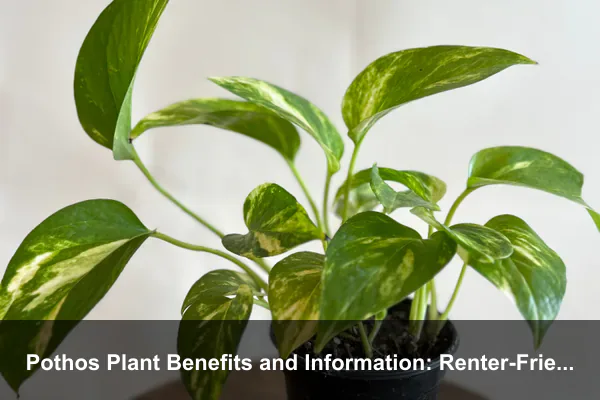
Pothos is one of the most practical houseplants for people who want a greener home without turning plant care into a complicated project. It grows as a flexible trailing vine, adapts to many indoor light conditions, and can make shelves, desks, kitchens, and small apartments feel more alive with very little equipment. For renters, students, busy families, and first-time plant owners, pothos offers a rare combination of beauty, resilience, affordability, and easy maintenance.
This guide takes a fresh look at Pothos plant benefits and information from a renter-friendly and everyday-living perspective. Instead of focusing only on basic care or common varieties, it explains how pothos can support indoor comfort, simple home routines, flexible decor, and smarter plant placement while staying realistic about safety, air quality claims, and long-term growth.
Why Pothos Fits Renter-Friendly Indoor Living
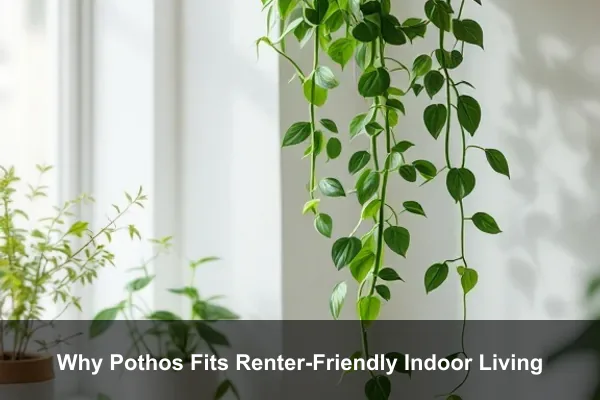
Pothos is ideal for homes where permanent changes are limited. Many indoor plants need large floor pots, strong direct sunlight, or frequent repositioning, but pothos can work in lightweight hanging planters, compact nursery pots, shelf displays, wall-safe clips, plant stands, or even water vessels used for temporary cuttings. That flexibility matters when you cannot drill into walls, modify balconies, or commit to heavy planters.
The plant also has a forgiving growth habit. Its vines can trail down a bookcase, be guided along a cabinet, looped around a plant hoop, or pruned short for a tidy tabletop look. This makes pothos especially useful in small rooms where floor space is limited but vertical space is available.
Another reason pothos works well for modern homes is that it gives visible results. New leaves, longer vines, and greener corners help beginners feel successful. Unlike plants that demand exact humidity, specialized soil, or strict seasonal care, pothos can become part of a simple weekly routine.
Core Pothos Plant Benefits Without Overstating Claims
Pothos has many real home benefits, but it is important to describe them accurately. It is not a miracle air purifier, a medical treatment, or a substitute for ventilation. Its value comes from practical plant benefits: visual comfort, adaptable design, beginner-friendly care, and the calming presence of living greenery.
Visual Calm and Biophilic Comfort
Indoor greenery can make a room feel softer and more balanced. Pothos is especially effective because its vines create movement and natural lines. A single plant can visually connect a shelf, window area, desk, or kitchen corner without needing a large footprint.
For people who spend long hours indoors, a pothos plant can provide a small but meaningful visual break. Looking at healthy foliage between work tasks can make a room feel less sterile and more grounded. This is one of the most reliable benefits of pothos: it improves the feeling of a space in a way that is simple, affordable, and easy to maintain.
Flexible Placement for Small Spaces
Pothos can be placed in spots where many decorative plants feel inconvenient. It works on high shelves, narrow ledges, side tables, bathroom counters with enough light, and home office corners. Because it can trail or be trimmed, you can control how much visual space it takes.
This makes pothos a smart option for apartments, dorm rooms, rented houses, and shared living spaces. The plant adds greenery without requiring a garden, balcony, or large decorative pot.
A Beginner-Friendly Learning Plant
Pothos is valuable because it teaches plant care fundamentals without punishing every mistake. New plant owners can learn how light affects growth, how soil moisture changes after watering, and how pruning shapes a plant. If a vine becomes too long, it can be cut back. If the plant grows unevenly, it can be rotated. If growth slows, the owner can adjust light, watering, or pot size gradually.
These lessons are useful for anyone who later wants to grow more sensitive houseplants. Pothos builds confidence because it responds clearly and usually recovers well when care is corrected.
Affordable Indoor Greenery
Pothos is widely available and usually inexpensive compared with many ornamental plants. A small plant can become fuller over time, and careful pruning can help maintain its shape. This makes it a budget-friendly choice for people who want several green accents around the home without buying many large plants.
Essential Pothos Information: Names, Growth, and Safety
Pothos is commonly sold under names such as golden pothos, devil’s ivy, money plant, or Epipremnum aureum. In indoor plant shops, it may also appear in different leaf patterns, including green, yellow-variegated, white-variegated, or neon-colored forms. While these types vary in appearance, their basic indoor needs are similar.
How Pothos Grows Indoors
Pothos is a climbing and trailing vine. In nature, it can attach to trees and grow upward. Indoors, it usually trails from pots unless given a moss pole, trellis, or support. When allowed to climb in bright indirect light, the plant may produce larger leaves over time. When grown as a trailing plant, the leaves often stay smaller but create a graceful cascading effect.
The plant stores energy in its vines and roots, which helps it tolerate occasional missed watering. However, tolerance is not the same as neglect. A pothos that receives consistent indirect light, proper drainage, and periodic pruning will look much better than one left in a dark corner for months.
Safety for Pets and Children
Pothos contains calcium oxalate crystals that can irritate the mouth and digestive system if chewed or swallowed. For this reason, it should be kept away from cats, dogs, and small children who may bite leaves or stems. Symptoms may include drooling, mouth irritation, vomiting, or discomfort, and a veterinarian or medical professional should be contacted if ingestion is suspected.
Safe placement is part of responsible pothos care. Use high shelves, hanging planters, closed rooms, or plant stands that pets cannot reach. Do not place trailing vines where animals can bat at them or children can pull them down.
Air Quality Claims in Real Homes
Pothos is often mentioned in discussions about indoor air-purifying plants. While laboratory studies have shown that some plants can absorb certain compounds under controlled conditions, a normal home is different from a sealed testing chamber. One or two pothos plants will not replace open windows, exhaust fans, air filters, or good cleaning habits.
The honest benefit is more modest: pothos contributes living foliage, a sense of freshness, and a more comfortable indoor atmosphere. For actual air quality, pair houseplants with ventilation, dust control, low-VOC materials, and proper moisture management.
How to Place Pothos Room by Room
Good placement makes pothos easier to enjoy and easier to maintain. The best spot is usually bright, indirect light, away from harsh midday sun, heating vents, and cold drafts. However, the exact setup depends on the room.
Living Room
In a living room, pothos works well on bookshelves, media consoles, plant stands, and high cabinets. Use it to soften straight lines and add natural texture. If the room has a bright window, place the plant nearby but not pressed against hot glass. Rotate the pot every few weeks so the vines grow more evenly.
Home Office
A pothos on a desk or shelf can make a workspace feel less harsh. Choose a compact pot and prune long vines before they interfere with cables, keyboards, or paperwork. If the room has low light, use the brightest available corner or supplement with a simple grow light.
Kitchen
Kitchens can be good for pothos if there is stable light and the plant is not exposed to grease, steam blasts, or heat from the stove. A pothos on top of a cabinet can look attractive, but check the soil regularly because high placements are easy to forget.
Bathroom
Pothos can enjoy bathroom humidity, but only if there is enough light. A windowless bathroom is not a healthy long-term location unless a grow light is used. Avoid placing the plant where leaves are repeatedly soaked or where soap residue can splash onto the foliage.
Bedroom
In bedrooms, pothos can add quiet greenery to a shelf or bedside corner. Keep it away from pets and avoid placing trailing vines near pillows, lamps, or charging cables. The goal is a clean, calm accent, not a tangled plant that complicates the room.
A Simple Care System for Busy People
The easiest way to care for pothos is to create a repeatable system. Instead of watering on a strict calendar, check the plant once or twice a week and respond to what the soil and leaves show.
Light
Pothos prefers bright, indirect light. It can tolerate lower light, but growth will slow and variegated leaves may become greener. Direct afternoon sun can scorch leaves, especially near hot windows. If a pothos becomes leggy with long spaces between leaves, it likely needs more light.
Watering
Water when the top layer of soil feels dry. In many homes, this may be every one to two weeks, but the timing changes with pot size, season, humidity, and light. Always check the soil before watering.
- Water thoroughly until excess moisture drains from the pot.
- Empty saucers so roots do not sit in standing water.
- Reduce watering during cooler months or low-light periods.
- Increase checks during hot weather or when the plant is growing quickly.
Soil and Pot Choice
Use a well-draining indoor potting mix. A standard houseplant mix works for most pothos plants, especially if the pot has drainage holes. Decorative cachepots are fine, but the inner nursery pot should drain freely. If the plant stays wet for too long, roots may suffer.
Feeding
Pothos does not need heavy fertilizer. During active growth, a balanced houseplant fertilizer at a diluted strength can be used occasionally. Avoid overfeeding, especially in low light, because excess fertilizer can stress the roots and create salt buildup in the soil.
Pruning
Pruning keeps pothos full and manageable. Cut just above a node, which is the small point where a leaf and root may emerge. Regular trimming encourages a cleaner shape and prevents vines from becoming too long, thin, or tangled.
Training Pothos Without Damaging Walls or Furniture
One of the best features of pothos is that it can be trained in many ways. For renters, the key is to use removable, lightweight, and low-risk supports. Avoid methods that stain walls, trap moisture against surfaces, or place too much weight on adhesive hooks.
Trailing Displays
The simplest method is to let vines trail from a shelf, hanging basket, or tall plant stand. This creates a relaxed look and requires very little setup. Trim vines before they reach walkways, outlets, heaters, or pet-accessible areas.
Climbing Supports
If you want larger leaves and a more upright plant, give pothos a moss pole, coco coir pole, bamboo stake, or small trellis placed inside the pot. Tie vines gently with soft plant tape or clips. Do not tie stems tightly, because they need room to grow.
Wall-Safe Guidance
For a vine-on-wall look, use removable clips designed for lightweight cords or plants. Test them in an inconspicuous area first. Keep vines slightly away from painted surfaces if the room is humid, because trapped moisture can affect walls over time.
- Choose a healthy, moderately long vine.
- Plan the path before attaching clips.
- Use wide spacing so the vine looks natural.
- Check monthly for dust, pests, and wall contact.
- Prune when the layout becomes crowded.
Troubleshooting Pothos Through Habits, Not Panic
Pothos problems are usually linked to light, water, drainage, temperature, or pests. The best approach is to review the plant’s routine before making major changes.
Yellow Leaves
One or two old yellow leaves can be normal. Many yellow leaves at once may point to overwatering, poor drainage, or sudden stress. Check the soil. If it is wet for many days, let it dry more before watering again and confirm that the pot drains properly.
Brown Tips or Crispy Edges
Brown tips may come from underwatering, dry air, fertilizer buildup, or inconsistent watering. Trim damaged tips if desired, then improve the routine. Water thoroughly when needed rather than giving small sips that only wet the surface.
Long Bare Vines
Long vines with few leaves usually mean low light or lack of pruning. Move the plant to brighter indirect light and trim leggy growth. A fuller plant often comes from regular pruning rather than simply waiting for old bare sections to refill.
Pests
Common pests include mealybugs, spider mites, and scale. Inspect leaf undersides and stem joints. Isolate affected plants, wipe leaves, and treat with an appropriate houseplant-safe method. Early attention is much easier than dealing with a large infestation.
Buying and Setting Up a Healthy Pothos
A strong start makes long-term care easier. When buying pothos, look beyond the leaf color and check the whole plant. A healthy pothos should have firm leaves, flexible vines, and no unpleasant smell from the soil.
- Choose a plant with several active vines, not just one long stem.
- Avoid plants with mushy stems, soggy soil, or many yellow leaves.
- Inspect closely for white cottony pests, sticky residue, or webbing.
- Check whether roots are circling tightly at the bottom of the pot.
- Pick a size that matches your space and light conditions.
After bringing the plant home, give it time to adapt. Do not repot, fertilize, prune heavily, and relocate it repeatedly in the same week. Place it in bright indirect light, check moisture, and let it settle. Repot only if the soil is poor, the roots are crowded, or the plant dries out extremely fast.
Common Mistakes to Avoid
Pothos is forgiving, but repeated mistakes can still weaken it. Most issues come from trying to care for the plant too intensely or placing it somewhere unsuitable.
Watering on a Fixed Schedule
A calendar can remind you to check the plant, but it should not decide when to water. Soil dries faster in warm bright rooms and slower in cool dark rooms. Always check moisture first.
Using a Pot Without Drainage
A sealed decorative pot can look beautiful, but it increases the risk of root rot. If you love a decorative container, keep the pothos in a draining inner pot and remove it for watering.
Expecting Fast Growth in Dark Corners
Pothos may survive low light, but it will not look its best there forever. For full growth and stronger vines, provide bright indirect light whenever possible.
Ignoring Vine Weight
Long vines can become heavier than expected. Make sure shelves, hooks, and hanging planters are secure. Keep vines away from fans, doors, and areas where people may brush against them.
Conclusion
Pothos is more than a common beginner houseplant. It is a flexible indoor vine that fits real homes, especially rented spaces, small apartments, busy routines, and rooms that need affordable greenery. Its benefits include visual comfort, design flexibility, simple care, and a forgiving growth habit that helps new plant owners build confidence.
The most useful Pothos plant benefits and information come from understanding what the plant can realistically do. It can make rooms feel fresher, softer, and more connected to nature. It can trail, climb, brighten shelves, and teach practical plant care. It cannot replace ventilation, remove every indoor pollutant, or be placed carelessly around pets. With bright indirect light, careful watering, safe placement, and occasional pruning, pothos can become one of the most dependable and rewarding plants in the home.
