
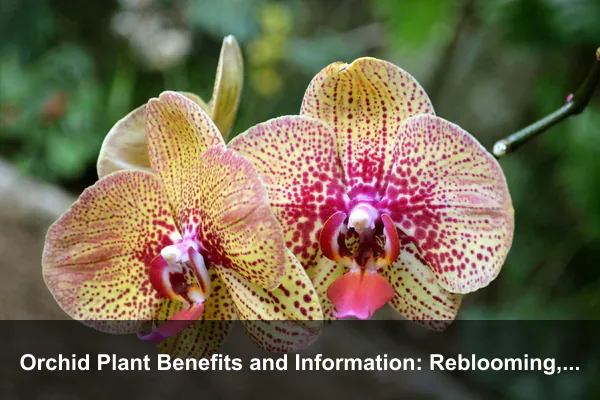
Orchids are often treated as delicate display flowers, but they are much more useful than a short-lived decoration. For people who enjoy ornamental plants with practical value, orchid plant benefits and information can help turn a single blooming pot into a long-term indoor companion. The right orchid can brighten a desk, soften a living room, create a calming care routine, and reward patient growers with repeat flowers year after year.
This guide takes a different angle from a basic orchid styling overview. Instead of focusing only on elegant blooms, it explains how orchids support everyday home wellness, how to choose a type that matches your lifestyle, and how to build a simple reblooming system. Whether you are buying your first moth orchid or trying to understand why an older plant has stopped flowering, the goal is to make orchid care more logical, less intimidating, and more rewarding.
Why Orchids Deserve a Place in a Healthy Home
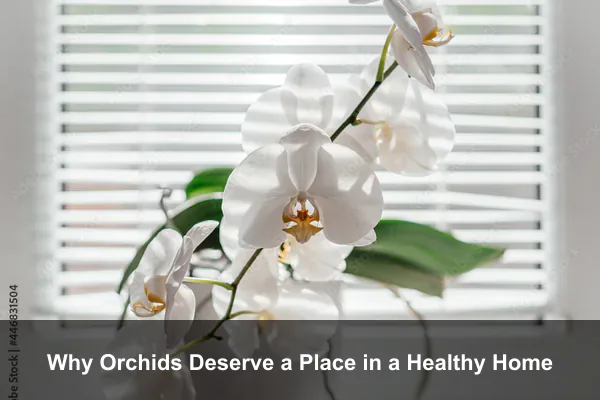
The main benefit of an orchid is visual, but that does not make it shallow. A flowering orchid brings color, shape, and seasonal change into a room without needing a large floor area. Many common orchids, especially Phalaenopsis, hold blooms for weeks or even months, making them one of the longest-lasting flowering houseplants for indoor spaces.
In the broader context of manfaat tanaman, orchids offer value through beauty, emotional comfort, and small daily routines. Caring for a plant encourages observation: checking root color, feeling pot weight, adjusting light, and noticing new growth. These simple habits can make a room feel more alive and can give busy people a manageable connection to nature.
Emotional and Visual Benefits
Orchids can improve the mood of a space because they add a clear focal point without visual clutter. Their flowers look refined, but the plant itself stays compact. This makes orchids useful for apartments, work desks, bedside tables, shelves, and small dining areas where larger foliage plants may feel too heavy.
- Long-lasting blooms: Many indoor orchids flower much longer than cut flowers.
- Compact beauty: A single pot can create a strong decorative effect in a small footprint.
- Seasonal interest: New roots, leaves, spikes, buds, and flowers give growers something to observe.
- Calming routine: Weekly care can become a simple mindful habit.
- Gift value: Orchids feel special but can remain useful after the first bloom cycle.
Realistic Air and Wellness Expectations
Orchids are plants, so they participate in normal plant processes such as gas exchange and moisture movement. However, it is better not to exaggerate air-purifying claims. A few houseplants cannot replace ventilation, cleaning, or proper humidity control. The more dependable benefit is environmental awareness: orchids teach you to notice light, airflow, temperature, and moisture more carefully.
That awareness can lead to a healthier indoor setup. When an orchid struggles, it may be telling you that a windowsill is too hot, a room is too dry, or airflow is poor. In that way, orchids act as quiet indicators of household conditions.
Essential Orchid Plant Information for Beginners
Orchids belong to one of the largest flowering plant families in the world. There are thousands of species and many more hybrids, which means the word orchid does not describe one single care style. Some orchids grow in trees, some grow on rocks, and some grow in the ground. For indoor growers, the most common types are selected because they adapt well to home conditions.
What Makes Orchids Different
Many popular orchids are epiphytes. In nature, epiphytic orchids attach to tree branches rather than growing in ordinary garden soil. They are not parasites; they use trees mainly for support while collecting moisture and nutrients from rain, air, and organic debris. This explains why many orchids dislike dense potting soil. Their roots need air as much as water.
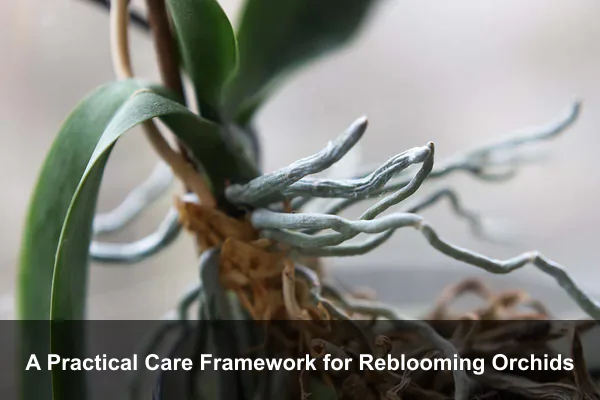
Healthy orchid roots often look thick, firm, and silvery when dry, then turn green after watering. This is normal. The outer root layer helps absorb water quickly and then dry again. Understanding this root behavior is one of the most important pieces of orchid plant information for long-term success.
Common Indoor Orchid Types
Not every orchid suits every home. A beginner should choose based on available light, temperature, patience, and the kind of flowers desired.
- Phalaenopsis orchid: Often called moth orchid, this is the best beginner choice. It likes bright indirect light and moderate home temperatures.
- Dendrobium orchid: Many types need brighter light and a clearer seasonal rhythm. They can be rewarding for growers ready to learn.
- Cattleya orchid: Known for large, showy flowers and often stronger fragrance. It usually needs more light than a moth orchid.
- Oncidium orchid: Often called dancing lady orchid. Many hybrids like bright conditions and produce branching sprays of small flowers.
- Paphiopedilum orchid: Also called slipper orchid. It is grown for unusual pouch-shaped flowers and often handles lower light better than some other orchids.
For most homes, Phalaenopsis is the easiest starting point. It is widely available, forgiving, and usually blooms indoors without complex equipment.
How to Choose an Orchid That Matches Your Lifestyle
A common mistake is choosing the most dramatic orchid without checking whether the home can support it. Smart orchid growing starts before purchase. Look at your light, schedule, and patience level first, then choose the plant.
Best Orchid for Busy Beginners
If you want benefits with minimal stress, choose a healthy Phalaenopsis in a clear plastic inner pot. Clear pots are useful because they let you see root color and moisture. Look for firm leaves, plump roots, and several unopened buds. Avoid plants with black mushy roots, wrinkled leaves, or flowers that are already collapsing.
A beginner-friendly orchid does not need daily attention. In fact, too much attention is often the problem. Most orchids prefer a rhythm: bright indirect light, watering when nearly dry, and a potting mix that drains fast.
Best Orchid for Fragrance Lovers
If fragrance is important, research the exact orchid type before buying. Many moth orchids have little or no scent. Some Cattleya, Oncidium, Brassavola, and certain Dendrobium varieties can be fragrant, but scent intensity varies. Fragrance can also bother sensitive people, so place scented orchids in a living area rather than directly beside a bed if you are unsure.
Best Orchid for Small Spaces
Miniature Phalaenopsis orchids are excellent for small homes, office desks, and narrow shelves. They provide the same orchid effect in a smaller pot. Their main need is stability: because the pot is small, it can dry faster and tip more easily. A simple outer cachepot can help keep it upright, but always remove standing water after watering.
A Practical Care Framework for Reblooming Orchids
The strongest long-term benefit of an orchid comes when it reblooms. A reblooming orchid is no longer a temporary purchase; it becomes a living part of the home. To encourage reblooming, think in terms of a care framework rather than isolated tips.
Light: Bright but Filtered
Most indoor orchids need bright indirect light. A window with morning sun is often ideal. East-facing windows work well in many homes. A south or west window may also work if the plant is set back or filtered with a sheer curtain. Leaves can guide you: very dark green leaves may mean light is too low, while yellow patches or scorched areas may mean the sun is too direct.
Orchids need enough light to store energy. A plant can survive in low light but fail to flower. If your orchid grows leaves but never blooms, light is one of the first factors to review.
Watering: Use Roots and Pot Weight
Watering on a fixed calendar can be misleading because indoor conditions change. A plant in bark may dry quickly in a warm room but slowly in a humid one. Instead, check the roots and pot weight. If the pot feels light and the roots look silvery, it is usually time to water. If roots are still green and condensation remains inside a clear pot, wait.
- Take the inner pot to the sink.
- Run room-temperature water through the potting mix until it drains freely.
- Let the pot drain completely.
- Return it to its decorative container only after excess water has escaped.
Do not let the base of the pot sit in water. Constant wetness blocks air around the roots and can lead to rot.
Potting Mix: Air Matters
Many orchids do best in bark-based orchid mix, sometimes blended with perlite, charcoal, or sphagnum moss. The exact mix depends on climate and watering habits. Bark dries faster and gives good airflow. Sphagnum moss holds more moisture, which can be helpful in dry homes but risky for people who water too often.
Repotting is usually needed when the mix breaks down, smells sour, stays wet too long, or the roots are crowded and unstable. For many moth orchids, repotting every one to two years is reasonable.
Feeding: Light but Consistent
Orchids are not heavy feeders, but they benefit from gentle nutrition during active growth. Use a balanced orchid fertilizer at a diluted strength, following the product label. Feeding a weak plant heavily will not fix poor roots or low light. Fertilizer supports growth only when the basics are already working.
Seasonal Reblooming Guide for Home Growers
Many people throw away orchids after flowering because they assume the plant is finished. In reality, the end of one bloom cycle is the start of the next growth cycle. The plant needs time to build leaves and roots before it flowers again.
After the Flowers Fade
Once blooms drop, inspect the flower spike. If it is brown and dry, cut it near the base with clean scissors. If it remains green, some moth orchids may produce a side branch from a node, though the second display may be smaller. For a tired plant, cutting the spike lower can help it focus on root and leaf strength.
This is also a good time to check the potting mix. If the orchid came from a store in tightly packed moss and you struggle with overwatering, repotting into fresh orchid bark may make care easier.
Encouraging a New Flower Spike
For many moth orchids, a slight temperature drop at night can help trigger a flower spike after the plant has grown well. This does not mean exposing the plant to cold drafts. A gentle difference between day and night temperatures is enough for many hybrids.
Focus on these reblooming signals:
- New root tips: Active roots show the plant is growing and able to absorb water.
- Firm leaves: Leaves should feel sturdy, not limp or deeply wrinkled.
- A new spike: A flower spike usually has a mitten-like tip, while new roots have rounded green tips.
- Stable light: Consistent bright indirect light supports bud development.
A Simple Year-Round Rhythm
Indoor orchids do not follow the same seasons in every home, but a simple rhythm helps. During active leaf and root growth, water carefully and feed lightly. As temperatures become slightly cooler, keep light bright and avoid moving the plant too often. When a spike appears, maintain consistent moisture, protect buds from drafts, and avoid placing fruit nearby because ripening fruit can release ethylene that may shorten bloom life.
Safety, Pets, and Responsible Orchid Use
Orchid plant benefits and information should include safety. Common moth orchids are generally considered pet-friendly compared with many popular houseplants, but that does not mean chewing is harmless. Any plant material can upset a pet stomach, and fertilizers, pesticides, decorative moss, or treated media may create additional risks.
Pet and Child Considerations
Place orchids where pets and children cannot pull them down. Flower spikes are fragile, and ceramic pots can break. If a cat likes to chew leaves, move the orchid to a higher shelf with enough light or use a plant stand in a less accessible room.
When buying unusual orchid species, confirm identification and safety from a reliable plant source. The orchid family is huge, and general statements may not apply to every species or hybrid.
Allergy and Fragrance Notes
Many orchids are comfortable for indoor display because they usually do not shed messy pollen into the air like some cut flowers. Still, sensitive people may react to fragrance, potting media, dust, or mold in old bark. If you notice irritation, move the plant, refresh the potting mix, and avoid strongly scented varieties.
Sustainable Orchid Care and Buying Tips
A responsible orchid collection starts with ethical buying. Choose nursery-grown orchids rather than wild-collected plants. Many beautiful hybrids are widely available, affordable, and well adapted to indoor life. Wild orchids can be ecologically sensitive, and some are protected by trade rules.
How to Buy a Healthy Orchid
Before buying, examine more than the flowers. Flowers tell you the plant is attractive now, but roots and leaves tell you whether it has a future.
- Choose firm green leaves without large black spots.
- Look for plump roots, preferably green or silvery rather than brown and mushy.
- Pick a plant with some open flowers and some unopened buds for a longer display.
- Avoid pots with sour smells, standing water, or heavy algae growth.
- Check under leaves and around flowers for pests such as scale, mealybugs, or aphids.
Reducing Waste After Blooming
The most sustainable orchid is the one you keep alive. Instead of treating orchids as disposable floral arrangements, learn the post-bloom stage. Keep the leaves healthy, refresh old media, and be patient. A rebloom may take months, but the plant is actively preparing during that quiet period.
You can also reuse decorative pots, labels, and support stakes. If a clear plastic pot is still in good condition and has drainage, it can be cleaned and reused during repotting.
Common Orchid Problems and What They Mean
Orchid problems are usually signals, not mysteries. The plant is responding to its environment. Reading those signals helps you fix the cause instead of guessing.
Wrinkled Leaves
Wrinkled leaves often mean the plant is not getting enough water into its tissues. This can happen from underwatering, but it can also happen when roots have rotted and can no longer absorb moisture. Check the roots before simply watering more.
Yellow Leaves
One older lower leaf turning yellow can be normal aging. Several yellow leaves at once may point to overwatering, root trouble, harsh sun, cold stress, or sudden environmental change. Look at the whole plant and recent care history.
Bud Drop
Bud drop happens when developing buds dry, yellow, or fall before opening. Common causes include drafts, sudden temperature swings, low humidity, underwatering, overwatering, or moving the plant repeatedly during spike development.
No Flowers
If an orchid has healthy leaves but never blooms, it may need more light, stronger roots, or a clearer seasonal temperature cue. Avoid forcing blooms from a weak plant. Build plant health first, then encourage flowering.
Conclusion: Orchids Reward Careful Attention
Orchids are valuable because they combine beauty, patience, and practical plant care lessons in one compact pot. Their benefits include long-lasting flowers, emotional comfort, space-efficient decoration, and a meaningful routine that helps you observe your indoor environment more closely. For many homes, a well-chosen orchid offers the elegance of a flowering plant without needing a large garden.
The most important orchid plant benefits and information come down to understanding how the plant lives. Give the roots air, provide bright indirect light, water only when the plant is ready, and treat the quiet post-bloom stage as part of the cycle rather than a failure. With that mindset, an orchid becomes more than a temporary display. It becomes a sustainable flowering houseplant that can return with new blooms and new satisfaction year after year.
