
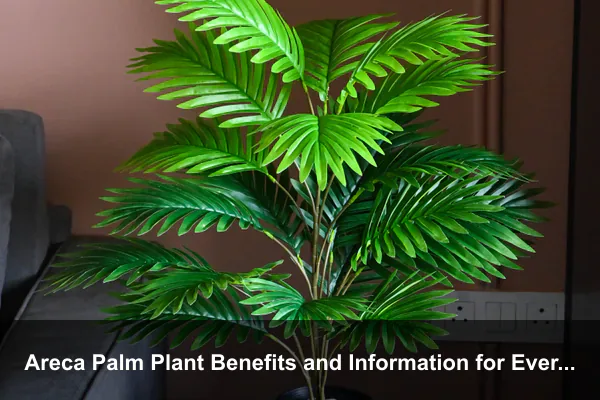
The Areca Palm is one of the easiest indoor plants to recognize: soft arching fronds, a bright green color, and a relaxed tropical shape that can make an ordinary room feel more alive. But its value is not only visual. When people search for Areca Palm plant benefits and information, they are usually trying to understand whether this plant can support a healthier, calmer, and more practical indoor lifestyle.
This guide takes a different angle from a basic care checklist. Instead of treating the Areca Palm only as decoration, it looks at how the plant fits into everyday routines: work, rest, cleaning habits, indoor comfort, low-waste living, and mindful plant care. In the spirit of manfaat tanaman, the focus is on useful plant value that people can actually experience at home without exaggerated claims.
What Makes the Areca Palm a Useful Indoor Companion
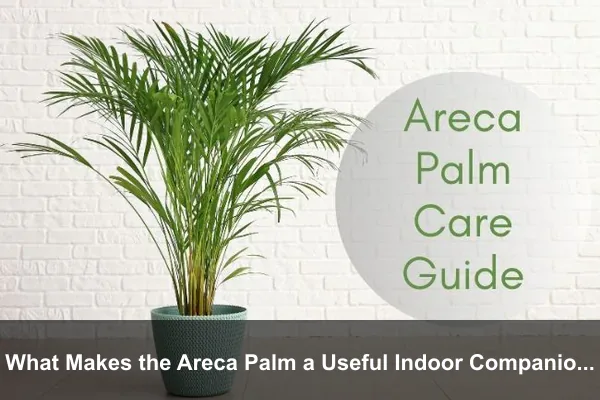
The Areca Palm, commonly sold as Dypsis lutescens, is a clumping palm with multiple cane-like stems and fine, feather-shaped leaves. It is also called butterfly palm, golden cane palm, or yellow palm because mature stems often show warm yellow tones. Indoors, it usually grows as a floor plant, creating height without the heavy, stiff look of many large houseplants.
Its popularity comes from a combination of softness and structure. The leaves are fine enough to feel airy, while the plant as a whole still has enough volume to fill an empty corner, soften a hard wall, or balance furniture with natural texture. This is why Areca Palm plant benefits and information often appear in discussions about comfortable homes, wellness rooms, and beginner-friendly tropical plants.
Basic Plant Profile
- Botanical name: Dypsis lutescens
- Common names: Areca Palm, Butterfly Palm, Golden Cane Palm, Yellow Palm
- Plant type: Tropical clumping palm
- Best indoor light: Bright, indirect light
- Growth style: Upright stems with arching, feathery fronds
- Indoor role: Comfort plant, visual softener, natural focal point, and routine-building houseplant
A Different Kind of Houseplant Presence
Some houseplants are admired for dramatic leaves, colorful variegation, or sculptural shapes. The Areca Palm is different. Its strength is atmosphere. It brings motion, repetition, and a gentle natural rhythm into a room. The fronds respond subtly to airflow, daylight, and touch, making the space feel less static.
That matters because indoor environments can feel visually hard: straight furniture lines, screens, plain walls, and artificial lighting. A plant with fine leaf texture helps break up those surfaces. The benefit is not mystical. It is design psychology and sensory comfort working together.
Areca Palm Benefits Beyond Decoration
The Areca Palm is often described as a beautiful indoor plant, but its real value is broader. It can support comfort, routine, and emotional ease when placed and maintained well. These are practical benefits, not instant cures or medical promises.
It Softens Indoor Spaces Visually
A healthy Areca Palm adds height and greenery without making a room feel crowded. Its leaflets create a layered look, so the eye moves through the plant rather than stopping at a solid shape. This makes it useful in living rooms, reading corners, studios, waiting areas, and home offices where the goal is a more relaxed environment.
Unlike large plants with huge leaves, an Areca Palm does not usually dominate the entire design. It adds presence while still allowing furniture, art, and light to remain part of the room. This makes it especially helpful for people who want an indoor plant that feels abundant but not overwhelming.
It Encourages Calmer Daily Routines
One overlooked benefit of keeping an Areca Palm is the routine it creates. Checking the soil, turning the pot, trimming dry tips, and wiping fronds can become small grounding habits. For many people, caring for a plant gives structure to the day without feeling like another demanding task.
This is where the idea of manfaat tanaman becomes practical. The plant is not only an object; it becomes part of a healthier household rhythm. A few minutes of plant care can interrupt long screen sessions, encourage movement, and reconnect the person with something living and responsive.
It Can Support Perceived Freshness
People often associate palms with fresh air, clean rooms, and tropical comfort. Scientifically, a single houseplant will not transform indoor air quality by itself, especially in a sealed modern home. Good ventilation, dust control, and source reduction matter far more. Still, the Areca Palm can contribute to a room that feels fresher because it adds natural color, soft texture, and a sense of biological life.
That distinction is important. The plant should not be marketed as a replacement for ventilation or air filtration. Its best indoor benefit is helping people create spaces that look and feel more comfortable, which can support better habits around cleaning, airflow, and room maintenance.
It Helps People Notice Indoor Conditions
The Areca Palm is expressive. Browning tips, dry soil, pale leaves, and leaning stems tell you something about the environment. Instead of seeing this as a weakness, think of it as feedback. The plant can train you to notice light direction, watering consistency, drafts, and dust accumulation.
Over time, this makes the owner more attentive to the home itself. A plant that responds visibly can help you manage the indoor setting with more awareness.
Placement Ideas for Comfort, Focus, and Daily Flow
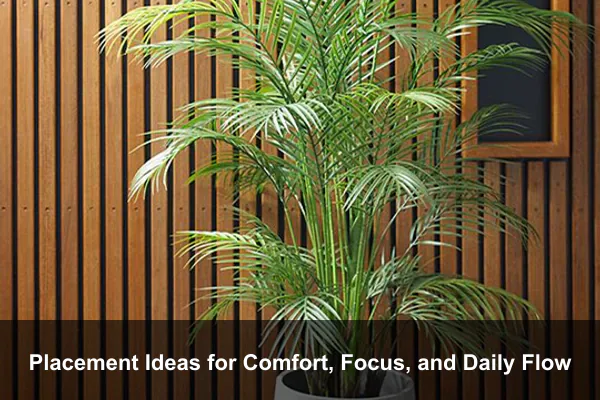
Placement affects how useful an Areca Palm becomes. The goal is not simply to put it anywhere there is an empty space. It should sit where its shape, light needs, and daily visibility all work together.
Near a Bright Window, but Not in Harsh Sun
Areca Palms prefer bright, indirect light. A spot near an east-facing window, a filtered south-facing window, or a bright room with sheer curtains often works well. Direct afternoon sun can scorch leaflets, while very dim corners can lead to weak growth and dull color.
If the plant receives light from one direction, rotate the pot every week or two. This keeps the growth balanced and prevents the stems from leaning too much toward the window.
In Work Areas Where Screens Dominate
A home office can feel cold when the view is mostly screens, cables, and flat surfaces. An Areca Palm placed slightly to the side of a desk or behind a reading chair can bring visual relief without interrupting work. The best position is within sight, not in the way.
This does not mean the plant will automatically improve productivity. What it can do is make the environment less visually tiring. A calmer room often makes it easier to stay organized, take short pauses, and return to tasks with less mental friction.
In Rest Areas Where Softness Matters
Bedrooms, meditation spaces, and reading corners benefit from gentle textures. The Areca Palm works well when the pot is stable, the leaves have enough room to arch, and the plant does not brush constantly against bedding or seating. Give it space to breathe visually.
Keep it away from heating vents, air conditioner blasts, and frequently opened doors that create sudden dry drafts. These conditions often cause crisp tips and stressed foliage.
Care Routine That Supports Healthy Fronds
Good Areca Palm care is not complicated, but it does require consistency. The plant dislikes extremes: soggy soil, bone-dry soil, harsh direct sun, deep shade, and sudden environmental changes. A steady routine is better than dramatic corrections.
Water by Soil Feel, Not by Calendar Alone
Water when the top layer of the potting mix begins to feel dry, while the deeper soil still has a little moisture. In many homes, this may mean watering every several days to once a week, but the exact timing depends on light, pot size, room temperature, and airflow.
Before watering, press a finger into the soil. If the top few centimeters feel dry, water thoroughly until excess water drains from the bottom. Empty the saucer afterward so the roots are not sitting in stagnant water. This simple habit prevents many common problems.
Use a Potting Mix That Drains Well
An Areca Palm needs a mix that holds some moisture but does not stay heavy and wet. A high-quality indoor potting mix amended with perlite, pumice, or fine bark can work well. The pot must have drainage holes. Decorative pots without drainage are risky unless they are used only as outer cachepots.
Root health is the foundation of attractive fronds. When the roots are suffocated by dense soil, the leaves often show stress through yellowing, browning, or slow growth.
Clean the Fronds Gently
Dust reduces the beauty of the plant and can interfere with light reaching the leaf surface. Wipe fronds gently with a soft damp cloth or rinse the plant lightly in a shower if the pot is manageable. Avoid leaf-shine products, which can leave residue and make the foliage look artificial.
Cleaning also gives you a chance to inspect the plant for pests. The earlier you notice fine webbing, sticky residue, or tiny insects, the easier it is to fix the problem.
Feed Lightly During Active Growth
During warmer months or periods of active growth, use a balanced diluted houseplant fertilizer according to label directions. More fertilizer is not better. Overfeeding can damage roots and create brown tips. If the plant is in low light or not growing actively, reduce feeding.
A healthy Areca Palm is usually the result of balanced light, proper watering, and stable care. Fertilizer only supports that foundation; it cannot compensate for poor conditions.
Problems, Signals, and Simple Fixes
The Areca Palm communicates through its leaves. Understanding the signals helps you respond without panic. Most issues are manageable when addressed early.
Brown Leaf Tips
Brown tips are one of the most common complaints. They can come from dry air, inconsistent watering, salt buildup from fertilizer, tap water minerals, or root stress. Trim only the dry brown portion with clean scissors, following the natural shape of the leaflet.
Then review the routine: Is the soil drying too much? Is the plant near a vent? Has fertilizer been used heavily? Is water sitting in the saucer? The fix depends on the cause, so avoid changing everything at once.
Yellowing Fronds
Older lower fronds naturally yellow as the plant grows. That is normal. Widespread yellowing, however, can point to overwatering, poor drainage, lack of light, or nutrient imbalance. Check the soil before adding more water.
If the soil smells sour or stays wet for too long, improve drainage and consider repotting into a lighter mix. If the plant is in a dim corner, move it gradually to brighter indirect light.
Pale or Sparse Growth
Pale, stretched, or sparse growth usually means the plant needs more light. Move it closer to a bright window, but avoid sudden exposure to strong direct sun. Changes should be gradual so the plant can adjust.
Also check whether the pot is severely root-bound. A crowded root system may limit growth and make watering harder to manage.
Pests on Areca Palm
Spider mites, mealybugs, and scale insects can appear, especially on stressed plants. Inspect the undersides of fronds and the base of stems. If pests are present, isolate the plant, wipe affected areas, and treat with an appropriate gentle houseplant pest solution such as insecticidal soap, following product directions.
Healthy routines reduce pest pressure. Clean foliage, stable moisture, and regular inspection make the plant less likely to develop serious infestations.
Sustainable and Safe Home Use
A useful Areca Palm is not only attractive; it should also fit responsibly into the household. Sustainability starts with how you maintain the plant, what products you use, and how long you keep it thriving.
Choose Low-Waste Plant Habits
- Reuse nursery pots as inner pots when possible.
- Refresh the top layer of soil instead of repotting too often.
- Collect fallen dry leaflets for compost if your local system allows it.
- Use washable cloths instead of disposable wipes for leaf cleaning.
- Measure fertilizer carefully to avoid waste and root damage.
These small habits make Areca Palm care more sustainable. The plant becomes part of a greener home routine rather than just another purchased item.
Keep Safety Practical
Areca Palm is generally considered a pet-friendly houseplant compared with many toxic indoor plants, but practical safety still matters. Pets may chew leaves, dig in soil, or knock over pots. Use a stable container, avoid chemical residues on foliage, and keep fertilizers or pest products stored away.
For households with small children, place the plant where the pot cannot tip easily. The main concern is usually mess, choking on loose material, or damaged fronds rather than severe toxicity.
Avoid Overclaiming Health Benefits
The Areca Palm can improve the feeling of a room, support calming routines, and encourage attention to indoor conditions. However, it should not be described as a cure for illness, a guaranteed air purifier, or a substitute for medical care. Honest plant information builds trust and helps readers make better choices.
The real benefit is more grounded: a well-kept Areca Palm helps people create a living environment that feels cared for. That emotional and practical effect is valuable enough without exaggeration.
How to Make the Areca Palm Part of a Weekly Routine
The easiest way to keep this plant healthy is to attach care tasks to existing habits. Instead of waiting until the plant looks stressed, build a simple weekly rhythm.
- Check soil moisture: Feel the soil before watering and adjust based on actual dryness.
- Rotate the pot: Turn it slightly so all sides receive balanced light.
- Inspect the leaves: Look for dust, pests, brown tips, or yellowing fronds.
- Clean when needed: Wipe dusty fronds gently with a damp cloth.
- Review placement: Make sure vents, harsh sun, and traffic are not stressing the plant.
This approach makes Areca Palm care simple and repeatable. It also prevents the common mistake of overreacting after weeks of neglect. Small consistent actions are better than large sudden changes.
Frequently Asked Questions About Areca Palm Plant Benefits and Information
Is Areca Palm good for beginners?
Yes, it can be a good beginner plant for people who have bright indirect light and can maintain consistent watering. It is less forgiving than a snake plant or ZZ plant, but it is not difficult when its basic needs are met.
Can Areca Palm grow in low light?
It may survive in lower light for a while, but it usually grows better and looks fuller in bright indirect light. Low light often causes slower growth, dull color, and weaker stems.
How often should I water an Areca Palm?
Water when the top layer of soil starts to dry. Do not rely only on a fixed schedule. Seasonal changes, room temperature, pot size, and light level all affect watering needs.
Why are the tips turning brown?
Brown tips may result from inconsistent watering, dry air, fertilizer buildup, mineral-heavy water, or root stress. Trim the dry tips and adjust the care routine gradually based on the most likely cause.
Is Areca Palm only a decorative plant?
No. Its beauty is important, but it also supports calmer routines, visual comfort, indoor awareness, and a more natural atmosphere. These benefits are strongest when the plant is healthy and placed thoughtfully.
Conclusion: Is an Areca Palm Right for Your Home?
The Areca Palm is a strong choice for people who want an indoor plant that feels generous, soft, and useful in daily life. It is not just a tropical decoration. It can support visual comfort, encourage mindful care routines, and help a room feel more balanced and alive.
The most important thing to remember is that the best Areca Palm plant benefits and information are practical. Give it bright indirect light, steady moisture, drainage, gentle cleaning, and enough space for its fronds to spread naturally. In return, it offers a greener home experience that is calm, attractive, and easy to appreciate every day.
