
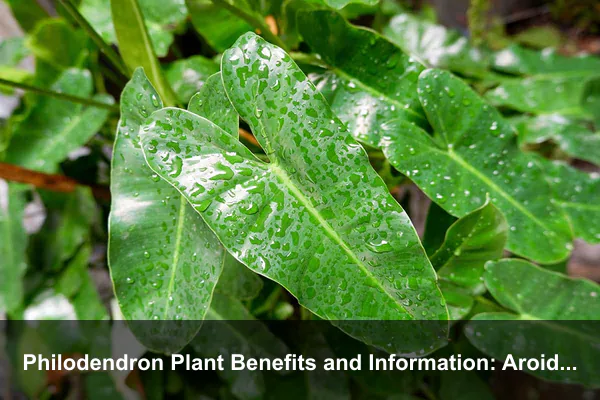
Philodendrons are among the most rewarding houseplants because they combine tropical beauty with practical indoor value. The best way to understand Philodendron plant benefits and information is not only by memorizing varieties or watering rules, but by learning how this aroid behaves: how it climbs, signals stress, adjusts leaf size, and responds to everyday home conditions.
This guide takes a distinct angle by focusing on philodendron as a long-term indoor companion for thoughtful plant owners. You will learn its benefits, growth habits, placement logic, safety notes, and sustainable care habits without exaggerated health claims or one-size-fits-all advice.
Why Philodendrons Earn a Place in Indoor Homes
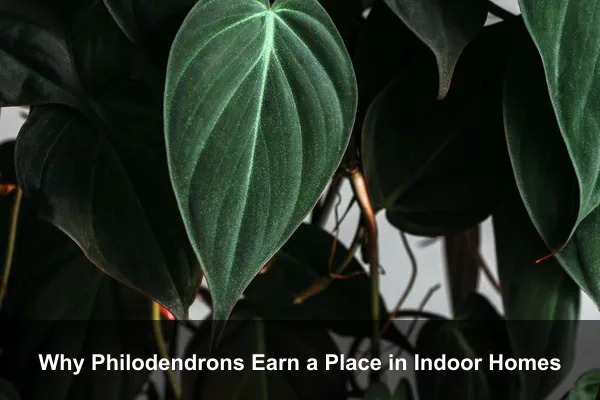
Philodendrons offer several everyday benefits for indoor spaces. Their broad, often glossy leaves soften hard interiors, bring a calming natural element into work and living areas, and help create a more grounded atmosphere. In the context of Manfaat Tanaman, their value comes from visual comfort, routine-building, and the quiet satisfaction of caring for living greenery.
One reason philodendrons remain popular is their adaptability. Many types tolerate normal home temperatures, moderate humidity, and bright indirect light. They are not indestructible, but they are forgiving enough for beginners who are ready to observe the plant rather than follow a rigid calendar.
Realistic Air Quality Benefits
Philodendrons are often described as air-purifying plants, but it is better to be precise. Indoor plants can contribute to a fresher-feeling room by adding greenery, supporting humidity balance around leaves, and encouraging people to ventilate and maintain their space. However, one plant cannot replace proper airflow, cleaning, or filtration. Treat philodendron as part of a healthier indoor routine, not as a medical or mechanical solution.
Aroid Information That Makes Philodendron Care Easier
Philodendrons belong to the aroid group, which includes many tropical plants with nodes, aerial roots, and growth patterns shaped by forest environments. Understanding this helps explain why one philodendron may vine across a shelf while another grows upright with thick stems and large leaves.
Nodes, Aerial Roots, and Growth Direction
The node is the point on the stem where leaves and roots can emerge. Aerial roots help climbing philodendrons attach to surfaces and absorb moisture from the surrounding environment. When you understand nodes, pruning, training, and plant recovery become less mysterious.
Juvenile and Mature Leaves
Some philodendrons produce different leaf shapes as they mature. Smaller, simpler leaves are common when the plant is young, underlit, or trailing without support. Larger and more dramatic leaves usually require steady light, time, and a stable growing setup.
Choosing a Philodendron by Lifestyle
The best philodendron is not always the rarest or most dramatic one. It is the one that matches your light, space, schedule, and patience. This is where practical Philodendron plant benefits and information becomes useful for real homes.
- Busy owners: Choose resilient green-leaf types that do not demand constant humidity adjustments.
- Small rooms: Pick compact or slow-growing forms rather than large climbers that need frequent training.
- Bright apartments: Variegated types may perform better with strong indirect light, but they often grow more slowly.
- Plant collectors: Prioritize healthy roots and stable growth over rare names or social media trends.
A plant that fits your routine will usually look better than a more expensive plant forced into the wrong environment.
Placement and Microclimate Benefits
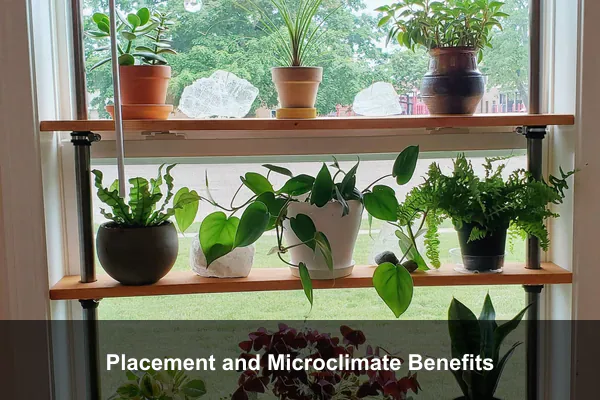
Philodendrons prefer bright, filtered light similar to what they might receive under a tropical canopy. Near an east-facing window, a few feet from a bright south or west window, or in a well-lit room with sheer curtains, they can grow steadily without leaf burn.
Room-by-Room Placement Ideas
- Living room: Use a medium philodendron to add leafy texture near seating areas.
- Home office: Place a compact plant within sight to create a softer visual break during screen-heavy work.
- Bedroom: Use only if the room has enough natural light and the plant is safely placed away from pets.
- Kitchen corner: Suitable when heat, direct sun, and drafts are controlled.
Grouping philodendrons with other houseplants can slightly improve the immediate humidity around foliage. This is useful in dry rooms, but good airflow still matters. Crowded, damp foliage can invite pests or fungal problems.
Low-Waste Philodendron Care Habits
Sustainable indoor plant care starts with using what the plant actually needs. Overbuying fertilizers, decorative pots, sprays, and gadgets can create waste without improving plant health.
Water by Soil Feel, Not by Calendar
Most philodendrons prefer the top layer of soil to dry slightly before watering again. Push a finger into the mix or use a simple wooden stick to check moisture. Water thoroughly when needed, then let excess water drain. Constantly wet soil can suffocate roots and cause rot.
Use a Potting Mix That Supports Roots
A good philodendron mix is airy, moisture-retentive, and fast-draining. Common ingredients include potting soil, orchid bark, perlite, coco chips, or similar chunky material. The goal is simple: roots need both moisture and oxygen.
- Choose a pot with drainage holes.
- Refresh old soil when it becomes compacted.
- Repot only when roots are crowded or the mix no longer drains well.
- Feed lightly during active growth instead of fertilizing heavily year-round.
Safety and Responsible Ownership
Philodendrons contain calcium oxalate crystals, which can irritate the mouth, throat, skin, or stomach if chewed or handled carelessly. Keep them away from curious pets and children. Wear gloves if you have sensitive skin, and wash your hands after pruning.
Responsible ownership also means buying plants thoughtfully. Avoid supporting sellers who remove plants from wild habitats or promote unstable rare specimens without care transparency. Healthy common philodendrons often bring more long-term satisfaction than fragile expensive plants purchased for novelty.
Pest Prevention Without Panic
New plants should be checked before joining the rest of your collection. Look under leaves, around stems, and near new growth for pests such as mealybugs, scale, thrips, or spider mites. Isolate new arrivals for a short period and clean leaves gently when dust builds up.
Leaf Signals and Common Problems
Philodendrons communicate through their leaves. Reading those signals helps you solve issues early.
- Yellow lower leaves: Often normal aging, but frequent yellowing may suggest overwatering or poor drainage.
- Brown crispy edges: Usually linked to underwatering, dry air, fertilizer buildup, or intense direct sun.
- Leggy vines: The plant may need brighter indirect light or more consistent pruning.
- Small new leaves: Check light levels, root health, nutrition, and whether a climbing type needs support.
- Drooping after watering: Soil may be staying wet too long, especially in a dense mix.
The most useful habit is to change one condition at a time. If you move the plant, repot it, fertilize it, and prune it all in one week, it becomes harder to know what actually helped.
Conclusion
Philodendrons are valuable indoor plants because they are beautiful, adaptable, and highly readable once you understand their aroid nature. Their benefits include visual calm, flexible design use, routine-building, and a satisfying way to learn plant observation.
For the best results, choose a philodendron that matches your home instead of chasing the most dramatic variety. Give it bright indirect light, airy soil, careful watering, safe placement, and enough patience to mature. With that approach, Philodendron plant benefits and information becomes more than a keyword: it becomes a practical guide to growing healthier, more meaningful indoor greenery.
