
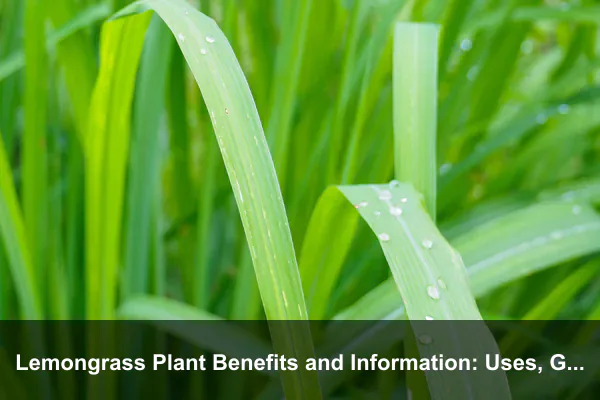
Lemongrass is one of the most useful herbal plants for people who want a fragrant, practical, and easy-to-grow addition to the garden. Known for its fresh citrus aroma, long grassy leaves, and thick edible stalks, this tropical plant is valued in cooking, traditional wellness practices, natural home care, and ornamental landscaping. If you are looking for complete lemongrass plant benefits and information, this guide covers what makes the plant special, how to grow it, how to harvest it, and how to use it safely.
Unlike many compact kitchen herbs, lemongrass grows as a bold clump of arching leaves that can become a striking garden feature. It is especially popular in Southeast Asian cooking, herbal tea, soups, marinades, and aromatic infusions. In the context of manfaat tanaman, or plant benefits, lemongrass stands out because it offers everyday usefulness without demanding complicated care. With enough sun, warm temperatures, and well-draining soil, it can reward gardeners with months of fragrant stalks and leaves.
What Is Lemongrass?
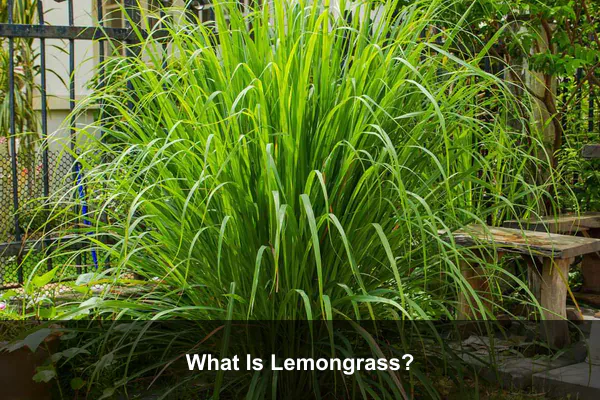
Lemongrass is a tropical perennial grass from the Cymbopogon genus. The most common culinary type is Cymbopogon citratus, often called West Indian lemongrass. It grows in dense clumps with narrow, blade-like leaves and pale green stalk bases that contain the strongest lemony flavor. The plant is not related to lemon trees, but its essential oils contain aromatic compounds that create a bright citrus scent.
In warm climates, lemongrass can grow outdoors year-round. In cooler regions, it is often grown as an annual herb, a container plant, or a plant that is moved indoors during cold weather. Mature plants may reach several feet tall, so they are best placed where their fountain-like shape has room to spread.
Common Names and Plant Profile
- Botanical name: Cymbopogon citratus
- Plant type: Tropical perennial grass
- Main use: Culinary herb, herbal tea, aromatic garden plant
- Preferred light: Full sun
- Soil: Moist but well-draining soil
- Flavor: Citrusy, fresh, slightly sweet, and grassy
Main Benefits of the Lemongrass Plant
The benefits of lemongrass come from its aroma, edible stalks, essential oils, and low-maintenance growing habit. While it should not be treated as a cure for medical conditions, it can be a valuable plant for food, relaxation routines, and garden design.
1. A Flavorful Culinary Herb
One of the best-known lemongrass plant benefits is its role in cooking. The lower stalk is commonly crushed, sliced, or simmered to add citrus flavor to soups, curries, rice dishes, sauces, and grilled foods. It pairs well with ginger, garlic, coconut milk, chili, lime, chicken, fish, tofu, and vegetables.
The fibrous outer layers are usually removed before cooking. The tender inner stalk can be finely minced, while tougher pieces are often added whole for flavor and removed before serving.
2. A Popular Herbal Tea Ingredient
Lemongrass tea is appreciated for its clean aroma and calming taste. Fresh or dried leaves can be steeped in hot water to make a caffeine-free drink. Many people enjoy it after meals because its bright flavor feels light and refreshing. It can be served plain or combined with honey, ginger, mint, pandan, or lemon.
3. A Naturally Fragrant Garden Plant
Lemongrass adds fragrance to patios, herb gardens, and sunny borders. When the leaves are brushed or cut, they release a strong citrus scent. This makes the plant useful near outdoor seating areas, kitchen gardens, and walkways where its aroma can be enjoyed naturally.
4. Decorative Texture for Gardens
Although it is mainly known as an herb, lemongrass also has ornamental value. Its tall, arching leaves create movement and texture in the landscape. It works well with flowering plants, edible gardens, tropical borders, and large containers. The plant gives a lush look without needing frequent shaping.
5. Useful for Simple Home Routines
Fresh lemongrass leaves can be used in aromatic water, homemade potpourri, bath soaks, and natural cleaning infusions. These uses are mainly for scent and freshness. For safety, concentrated lemongrass essential oil should always be diluted properly and used with caution.
How to Grow Lemongrass Successfully
Lemongrass is relatively easy to grow when its basic needs are met. The key is to remember that it is a tropical grass. It prefers warmth, direct sunlight, consistent moisture, and fertile soil.
Light Requirements
Place lemongrass where it can receive at least six hours of direct sun each day. Full sun helps the plant produce strong stalks and a richer aroma. In partial shade, growth may become thin, weak, or slow.
Soil and Potting Mix
Use well-draining soil enriched with compost or organic matter. Lemongrass likes moisture, but it does not perform well in soggy soil. For containers, choose a large pot with drainage holes and use a quality potting mix. A pot that is too small will restrict root growth and reduce stalk production.
Watering Needs
Water regularly, especially during hot weather. The soil should stay lightly moist but not waterlogged. Container-grown plants dry out faster than garden plants, so they may need more frequent watering. If the leaf tips turn brown, the plant may be too dry, exposed to cold, or stressed by poor soil.
Temperature and Climate
Lemongrass grows best in warm weather. It is sensitive to frost and cold temperatures. Gardeners in cooler climates can grow it in pots and move it indoors before the first frost. Indoors, place it near the brightest window available or supplement with a grow light.
Planting Lemongrass from Stalks or Divisions
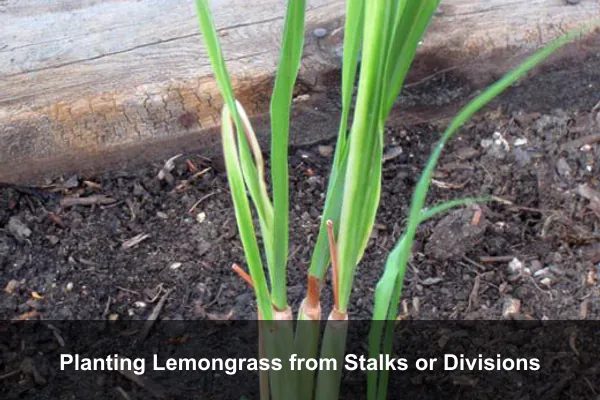
Lemongrass can be grown from nursery plants, divided clumps, or fresh stalks that still have a healthy base. Starting from divisions is usually the most reliable method because the plant already has roots and established growth.
Growing from Store-Bought Stalks
If you buy fresh lemongrass stalks with intact bases, you may be able to root them in water. Trim the tops slightly, place the stalk bases in a jar with a few inches of water, and keep them in bright indirect light. Change the water every few days. Once roots form, plant the stalks in soil and gradually move them into stronger light.
Spacing in the Garden
Give each plant enough room to form a full clump. Space plants about 24 to 36 inches apart, depending on your climate and growing season. In warm regions, lemongrass can become large, so avoid planting it too close to small herbs that may be shaded out.
Harvesting and Storing Lemongrass
Harvesting is simple once the plant has developed thick stalk bases. The best stalks are firm, pale green, and at least about half an inch thick near the base. Cut or twist stalks close to the soil line, taking only what you need so the plant can continue growing.
How to Prepare the Stalks
- Remove dry or tough outer leaves.
- Trim the root end and dry top section.
- Use the tender lower stalk for cooking.
- Crush whole stalks before simmering to release flavor.
- Slice thinly or mince finely if the stalk will remain in the dish.
Storage Tips
Fresh lemongrass can be stored in the refrigerator for one to two weeks when wrapped and kept dry. It can also be frozen whole, sliced, or minced. Drying the leaves is useful for tea, but dried lemongrass usually has a softer flavor than fresh stalks.
Safe Uses and Important Precautions
Lemongrass is widely used as a food herb, but safe use still matters. Culinary amounts are generally suitable for most people, yet concentrated products such as essential oils are much stronger than fresh plant material.
When to Be Careful
- Do not consume large medicinal amounts without professional guidance.
- Pregnant or breastfeeding individuals should ask a qualified health professional before using concentrated lemongrass products.
- People with allergies or sensitive skin should patch test diluted preparations before topical use.
- Keep essential oils away from children and pets unless advised by a professional.
- Use only clean, pesticide-free leaves and stalks for tea or cooking.
If you grow lemongrass at home, avoid spraying it with chemicals that are not labeled for edible plants. Harvest from healthy plants and wash the stalks before use.
Common Problems and Simple Fixes
Lemongrass is hardy in the right conditions, but a few issues can appear when light, water, or temperature are not ideal.
Brown Leaf Tips
Brown tips often mean the plant is too dry, exposed to cold wind, or growing in a cramped pot. Improve watering consistency, move container plants to a warmer spot, and divide overcrowded clumps when needed.
Weak or Thin Growth
Thin growth usually points to insufficient sunlight. Move the plant to a brighter position where it gets direct sun. Feeding with compost or a balanced organic fertilizer can also help if the soil is depleted.
Root Rot
Root rot can happen when the soil stays soggy. Use pots with drainage holes, avoid standing water, and plant in loose soil. If the plant smells rotten or collapses at the base, remove damaged sections and replant healthy divisions in fresh soil.
Best Ways to Use Lemongrass at Home
Lemongrass is flexible enough for daily use. You can grow it as a kitchen herb, a tea plant, a fragrant container plant, or a landscape accent. Its best value comes from combining beauty and function in one plant.
Practical Ideas
- Add crushed stalks to soups, broths, and curries.
- Steep leaves for a simple caffeine-free tea.
- Freeze chopped stalks in small portions for quick cooking.
- Plant it near a sunny patio for fragrance and texture.
- Use trimmed leaves in aromatic rinses or natural scent blends.
For beginner gardeners, lemongrass is a satisfying plant because it grows quickly in warm weather and gives visible results. For experienced gardeners, it offers a reliable way to add edible structure to tropical or herbal planting designs.
Conclusion
Lemongrass is more than a fragrant grass. It is a culinary herb, tea ingredient, ornamental plant, and practical garden companion with a long history of everyday use. The most important lemongrass plant benefits and information to remember are simple: give it full sun, warm conditions, steady moisture, and enough space to grow, and it will provide aromatic leaves and flavorful stalks for many uses.
Whether you grow it in a garden bed, a large patio pot, or a seasonal herb collection, lemongrass is a valuable choice for anyone interested in useful plants. With proper harvesting and safe use, this citrus-scented herb can become one of the most rewarding plants in a home garden.
