
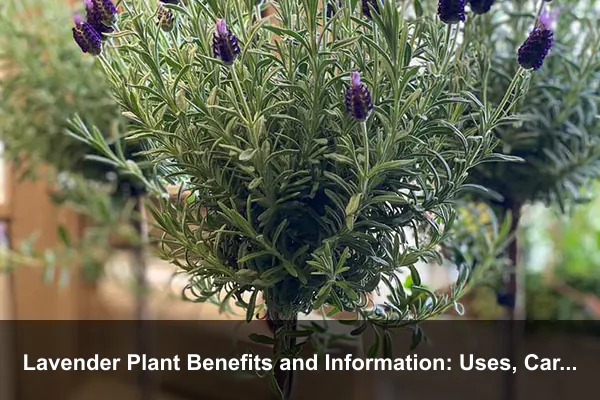
Lavender is one of the most recognizable herbal plants in the world, loved for its purple flower spikes, silvery foliage, and clean floral scent. Yet the value of lavender goes far beyond fragrance. A healthy lavender plant can support a more attractive garden, provide useful dried flowers for the home, invite pollinators, and become a practical low-water plant when it is grown in the right place.
This guide to lavender plant benefits and information focuses on a unique angle: how to understand lavender as an aromatic flowering herb, not just as a decorative plant or a bottle of essential oil. You will learn what lavender is, which benefits are realistic, how to grow it successfully, when to harvest it, how to dry it, and what safety points matter for people, pets, and everyday use.
Lavender is often described as easy, but that is only true when its Mediterranean preferences are respected. It dislikes soggy roots, crowded air, and heavy feeding. Give it strong sun, fast drainage, and careful pruning, and it can reward you with years of flowers, scent, and useful herbal material.
What Is the Lavender Plant?
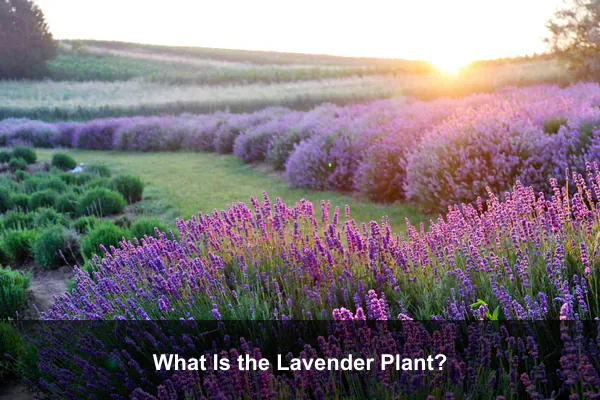
Lavender belongs to the genus Lavandula, a group of aromatic shrubs and subshrubs in the mint family. The most familiar garden species is Lavandula angustifolia, commonly called English lavender, even though lavender is strongly associated with the Mediterranean region. Its narrow gray-green leaves, upright flower stems, and fragrant oil glands make it useful as both a flowering plant and a household herb.
Basic Lavender Plant Profile
- Botanical group: Lavandula species and hybrids.
- Plant type: Aromatic perennial shrub or subshrub.
- Common flower colors: Purple, violet-blue, lavender, pink, and white depending on variety.
- Best light: Full sun, ideally six or more hours of direct light daily.
- Best soil: Gritty, loose, well-drained soil with low to moderate fertility.
- Main uses: Ornamental borders, herb gardens, dried bundles, sachets, culinary accents, and fragrant home crafts.
Common Types of Lavender
English lavender is prized for fragrance, compact growth, and culinary use when grown and processed properly. It is a favorite for dried flowers and traditional herb gardens. Lavandin, a hybrid between English lavender and spike lavender, usually grows larger and produces longer flower stems with a stronger camphor-like scent. Spanish lavender and French lavender are often grown for their showy bracts and ornamental value, especially in warmer regions.
Choosing the right type matters because lavender benefits depend on the plant matching your climate and purpose. A compact English lavender may be better for a container or culinary harvest, while lavandin may be better for dried bundles and landscape impact.
Lavender Plant Benefits for Home, Garden, and Daily Life
The best lavender plant benefits are practical, sensory, and garden-focused. Lavender can improve the feel of a space without demanding constant watering or lush tropical conditions. It also offers a clear example of how beneficial plants can serve several roles at once: beauty, fragrance, pollinator support, and useful harvests.
Aromatic Value for Relaxing Spaces
Lavender is strongly associated with calm routines because its fragrance is gentle, floral, and herbaceous. Many people use dried lavender in sachets, linen drawers, bedside bowls, or homemade bath blends. Research on lavender for stress, sleep, and anxiety is still mixed, and it should not be treated as a cure or replacement for medical care. However, as part of a calming environment, the scent of lavender can be a pleasant and meaningful sensory tool.
A useful way to think about lavender is as a well-being plant rather than a medicine cabinet. The plant can support rituals such as evening tea preparation, garden walks, slow breathing, or preparing a clean sleeping space, but the benefit often comes from the full routine, not from the plant alone.
Ornamental Beauty With a Distinct Texture
Lavender adds a specific visual character that many leafy houseplants cannot provide. Its silver-green foliage softens pathways, raised beds, and sunny borders, while the flower spikes add vertical movement. It pairs well with rosemary, thyme, sage, ornamental grasses, and roses because it likes similar sunny and well-drained conditions.
In design terms, lavender works best when planted in groups or repeated along an edge. A single plant is useful, but a small row of lavender creates rhythm, fragrance, and a clear garden identity. The plant looks especially good near entrances, patios, and walkways where the scent can be noticed as people pass.
Pollinator-Friendly Flowers
Lavender flowers are attractive to bees, butterflies, and other beneficial pollinators when the plant is in bloom. This makes lavender helpful in edible gardens and ornamental borders where pollinator visits can improve garden activity and biodiversity. For the best effect, avoid spraying insecticides on open lavender flowers and let several stems bloom fully before harvesting.
Low-Water Landscaping Potential
Once established, lavender is more drought-tolerant than many flowering plants. This does not mean it needs no water at all, especially in its first season, but mature plants often prefer a slightly dry rhythm over frequent soaking. In regions where water-wise gardening matters, lavender can be a strong choice for sunny beds, gravel gardens, and containers with excellent drainage.
Useful Dried Flowers
One of the most distinctive lavender benefits is that the harvest remains useful after drying. Properly dried buds can be used in sachets, drawer fresheners, wreaths, potpourri, simple crafts, and some food preparations if the lavender is culinary-grade and free from pesticides. This makes lavender different from many ornamental flowers that are beautiful for a short bloom period but less useful afterward.
How to Grow Lavender Successfully
Lavender care is simple in principle: sun, drainage, air movement, and restraint. Most failures happen because the plant is treated like a thirsty leafy herb. Lavender is not mint, basil, or a tropical foliage plant. It is a sun-loving aromatic shrub that needs roots to breathe.
Light Requirements
Lavender needs full sun for strong fragrance, compact growth, and abundant flowers. Aim for at least six hours of direct sunlight each day. In very hot climates, morning sun with light afternoon protection may help reduce stress, but deep shade will usually lead to weak stems, fewer flowers, and a plant that becomes floppy.
Soil and Drainage
Fast drainage is more important than rich soil. Lavender prefers soil that releases excess water quickly. If your garden soil is heavy clay, improve the planting area with raised beds, coarse mineral material, or a container mix designed for Mediterranean herbs. Avoid planting lavender in low spots where rainwater collects.
In containers, use a pot with drainage holes and a gritty mix. A common mistake is placing lavender in decorative pots without drainage or using water-retentive indoor potting mix. Both can lead to root rot, yellowing leaves, and sudden decline.
Watering Lavender
Water new lavender plants regularly while they establish, then reduce watering as roots develop. The goal is to water deeply but infrequently, allowing the soil to dry between sessions. Mature lavender generally performs better with occasional deep watering than with light daily watering.
- New plants: Keep slightly moist but never waterlogged during establishment.
- Established plants: Water when the top few inches of soil are dry and the plant shows genuine need.
- Container lavender: Check more often because pots dry faster, but do not let the pot sit in standing water.
- Rainy seasons: Move containers under cover if the plant receives too much rain.
Fertilizer Needs
Lavender does not need heavy fertilizer. Too much nitrogen can encourage soft leafy growth at the expense of flowers and fragrance. If growth is weak and the soil is poor, use a light application of compost or a balanced low-strength fertilizer in spring. Avoid repeated feeding during the growing season unless a soil test shows a real deficiency.
Lavender Care Through the Seasons
Seasonal care keeps lavender compact, productive, and attractive. Without pruning, many varieties become woody, open in the center, and less floriferous. With overly harsh pruning, however, the plant may struggle to regrow from old wood. The goal is steady shaping, not drastic cutting.
Spring Care
In spring, remove dead tips and inspect the plant for winter damage. Once new growth is visible, lightly shape the plant to encourage branching. This is also the best time to plant new lavender in many climates because roots can establish before summer heat or heavy seasonal rain.
Summer Care
Summer is the main flowering and harvesting season for many lavender varieties. Keep the plant in strong light and avoid overhead watering when possible. Good airflow helps reduce fungal issues. Harvest some stems when buds are formed and the first flowers begin to open, then leave some blooms for pollinators and garden display.
Autumn and Winter Care
After the main bloom, trim spent flower stems and lightly shape the plant. Avoid cutting deep into old woody stems. In cold climates, winter protection may be needed, but wet winter soil is often more dangerous than cold air. In humid tropical or subtropical regions, containers can be easier than garden beds because you can control drainage and rain exposure more precisely.
Harvesting, Drying, and Using Lavender
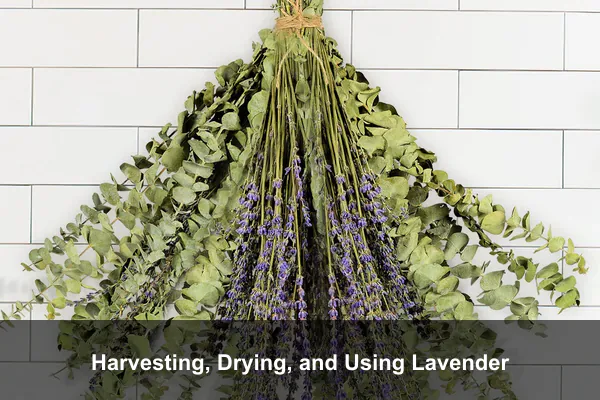
Harvesting is where lavender becomes especially rewarding. The plant can be enjoyed fresh in the garden and later preserved for months of household use. For the strongest scent, harvest on a dry morning after dew has evaporated but before intense midday heat.
When to Harvest Lavender
For dried bundles and sachets, cut stems when many buds are colored but before all flowers fully open. At this stage, the buds hold their shape better and retain more fragrance after drying. If you want fresh flowers for a vase, you can cut when more blooms are open.
How to Dry Lavender
- Cut clean stems. Use sharp scissors or pruners and avoid crushing the stems.
- Remove lower leaves. Strip leaves from the lower part of each stem so bundles dry evenly.
- Bundle loosely. Tie small bunches with string or rubber bands. Small bundles dry better than thick ones.
- Hang upside down. Choose a dry, shaded, well-ventilated area away from direct sunlight.
- Store properly. Once fully dry, keep buds in an airtight container away from heat, light, and moisture.
Simple Ways to Use Dried Lavender
- Sachets: Place dried buds in small cloth bags for drawers, closets, or linen storage.
- Decorative bundles: Tie dried stems with natural twine and display them in a dry indoor space.
- Potpourri: Mix dried lavender with dried citrus peel, rosemary, or other compatible botanicals.
- Crafts: Use stems in wreaths, handmade cards, bath products, or small gifts.
- Culinary accents: Use only food-grade English lavender, and use very small amounts because the flavor can become bitter or soapy.
Safety Notes for Lavender Plants and Products
Lavender is widely used, but safe use depends on form, dose, age, health status, and exposure. A lavender plant in the garden is not the same as concentrated lavender essential oil. The oil is far stronger than the fresh plant material and should be handled with more caution.
Essential Oil Caution
Lavender essential oil should not be swallowed unless it is a product specifically made for internal use and recommended by a qualified professional. Even topical use should be diluted in a suitable carrier oil and patch-tested first. Some people may experience irritation, headache, nausea, or sensitivity from lavender products.
People who are pregnant, breastfeeding, taking sedatives, preparing for surgery, or managing a medical condition should ask a healthcare professional before using lavender supplements or concentrated oils. Lavender scent in a garden or dried sachet is generally a lower-intensity exposure, but personal sensitivity still matters.
Children and Sensitive Users
Use extra caution with young children. Do not apply lavender essential oil directly to a child without professional guidance. Keep oils out of reach and avoid using strong diffusers in small closed rooms for long periods, especially around infants or people with asthma, allergies, or scent sensitivity.
Pet Safety
Pet owners should be careful with lavender. The ASPCA lists lavender as toxic to dogs, cats, and horses because of compounds such as linalool and linalyl acetate. A small garden plant may not cause serious issues in every case, but chewing the plant, eating dried buds, or exposure to concentrated essential oil can be risky. Keep lavender products away from pets and contact a veterinarian if ingestion or unusual symptoms occur.
Common Lavender Problems and How to Fix Them
Lavender problems usually point back to growing conditions. Before adding fertilizer or moving the plant randomly, check light, drainage, watering rhythm, and pruning history.
Yellow Leaves
Yellowing often means the roots are too wet or the soil is too heavy. Check whether the pot drains freely and whether the plant is sitting in a saucer of water. In garden beds, improve drainage or move the plant to a raised area. Do not assume yellow leaves mean the plant needs more water.
Few or No Flowers
Lavender may fail to bloom if it receives too much shade, too much nitrogen, or not enough pruning. Move container plants into stronger sun, reduce feeding, and prune lightly after flowering to maintain shape. Young plants may also need time to establish before producing a full display.
Woody, Leggy Growth
Older lavender naturally becomes woodier, but regular light pruning slows the process. Trim green growth after flowering, keeping the plant rounded and open to airflow. Avoid cutting hard into bare old wood because many lavender plants do not regrow well from it.
Root Rot
Root rot is one of the most common lavender killers. Symptoms include wilting despite wet soil, yellow leaves, soft stems, and a sour smell from the potting mix. Remove the plant from waterlogged conditions immediately. In severe cases, it may be better to take healthy cuttings or replace the plant with a new one in a much better-draining mix.
Best Places to Grow Lavender at Home
Lavender is most successful where its needs match the location. Instead of forcing it into a damp indoor corner, choose a site that gives it sun, airflow, and dry feet.
Sunny Garden Borders
Lavender works well along paths, walls, and raised beds. Plant it where people can brush past lightly and enjoy the scent, but leave enough space for air circulation. Crowded planting can trap humidity around the leaves and increase disease risk.
Containers and Balconies
For small homes, balconies, and patios, containers are often the best choice. Choose a terracotta or breathable pot if possible, use a gritty mix, and place the pot in the sunniest safe location. Container lavender also allows gardeners in rainy climates to move the plant under cover during wet periods.
Humid Climate Tips
In humid regions, lavender needs extra help. Use raised containers, avoid dense mulch around the crown, water at soil level, and provide maximum air movement. If English lavender struggles, try varieties known to tolerate warmer conditions, but remember that all lavender still requires excellent drainage.
Buying Checklist for a Healthy Lavender Plant
Starting with a strong plant makes care easier. When buying lavender from a nursery, inspect both the top growth and the potting conditions. A plant covered in flowers may look impressive, but root health and structure matter more for long-term success.
- Choose a plant with firm stems, silvery-green leaves, and no mushy base.
- Avoid plants with yellow lower leaves, sour-smelling soil, or standing water in the pot.
- Look for compact branching rather than long weak stems.
- Check the label for the species or variety so you know its mature size and best use.
- If you want culinary lavender, buy a variety intended for edible use and confirm it has not been treated with unsafe pesticides.
Quick Lavender Care Summary
Lavender rewards simple, consistent care. If you remember only a few points, focus on sun, drainage, and moderate pruning. These three habits prevent most lavender problems and help the plant produce better flowers.
- Light: Full sun is best.
- Soil: Lean, gritty, and fast-draining.
- Water: Deep but infrequent after establishment.
- Feeding: Light feeding only; avoid excess nitrogen.
- Pruning: Trim after bloom without cutting deeply into old wood.
- Harvest: Cut stems when buds are colored and just beginning to open.
- Safety: Use essential oils carefully and keep lavender products away from pets.
Trusted Resources for Lavender Plant Information
For readers who want to compare care and safety details, helpful references include the NCCIH overview of lavender usefulness and safety, the Utah State University Extension guide to growing English lavender, and the ASPCA lavender pet safety listing. These sources support a balanced view: lavender is useful and beautiful, but concentrated products and pet exposure deserve caution.
Conclusion
Lavender is a valuable plant for gardeners who want beauty, fragrance, pollinator appeal, and practical dried flowers from one compact herb. Its benefits are strongest when expectations stay realistic: lavender can support a pleasant home and garden environment, but it should not be treated as a cure-all.
For the best results, grow lavender in full sun, use sharply drained soil, water with restraint, and harvest at the right stage. With thoughtful care and safe use, lavender can become one of the most rewarding flowering herbs in a home garden, balcony container, or fragrant outdoor border.
