
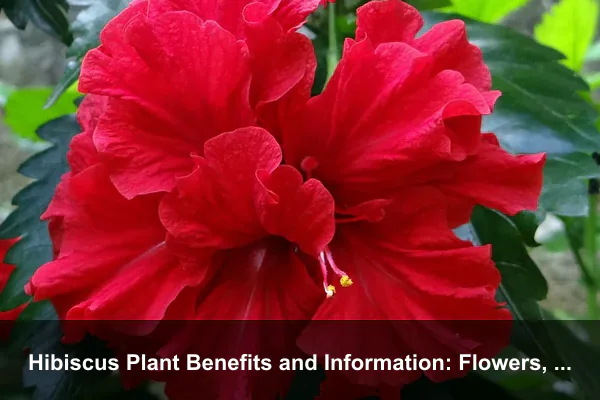
Hibiscus is one of the most recognizable flowering plants in warm gardens, patios, and tropical landscapes. With its large trumpet-shaped blooms, glossy leaves, and bold colors, it brings instant visual impact while also offering traditional herbal uses, pollinator value, and practical benefits for home gardeners.
This guide covers essential Hibiscus plant benefits and information from a fresh angle: how hibiscus supports a flowering garden, how its edible types are used for tart herbal tea, what the plant needs to grow well, and what safety points every household should understand before using it.
What Is the Hibiscus Plant?
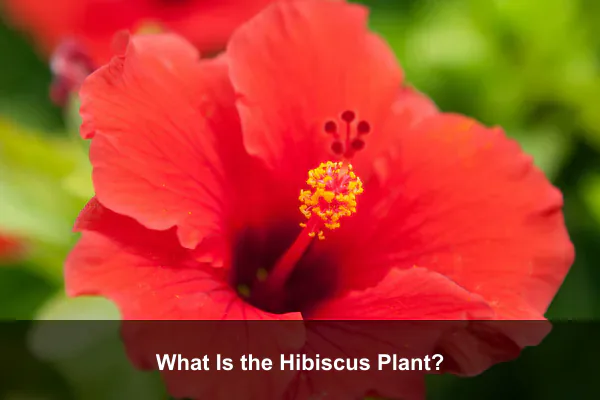
Hibiscus is a flowering plant group in the mallow family, known for dramatic petals, a prominent central stamen, and blooms that may appear in red, pink, yellow, orange, white, or purple. Depending on the variety, hibiscus may grow as a tropical evergreen shrub, a hardy perennial, or a woody landscape plant.
The name “hibiscus” is often used broadly, but not every hibiscus is grown for the same purpose. Some types are mainly ornamental, while others are valued for their edible calyces used in drinks and herbal preparations.
Common Types of Hibiscus
- Tropical hibiscus is popular for containers, patios, and warm-climate landscapes.
- Hardy hibiscus survives colder winters and often produces very large dinner-plate flowers.
- Roselle hibiscus is commonly grown for its red calyces, which are dried for tart hibiscus tea.
Main Benefits of Hibiscus Plants
Hibiscus is more than a decorative flower. It offers garden, lifestyle, and cultural value when chosen and used properly.
Bright Ornamental Beauty
The most immediate benefit of hibiscus is its visual appeal. The flowers create a strong focal point in borders, balconies, entrances, and sunny patios. Because many varieties bloom repeatedly during warm months, hibiscus can keep a garden looking lively when other plants slow down.
Supports Pollinators
Hibiscus flowers can attract bees, butterflies, and hummingbirds in suitable regions. For gardeners who want a more active and biodiverse outdoor space, flowering hibiscus can help provide nectar resources while adding color.
Useful for Herbal Drinks
Roselle hibiscus is widely used to make a ruby-red tea with a tart, cranberry-like flavor. In many cultures, hibiscus drinks are served hot or cold and may be combined with ginger, lemon, mint, cinnamon, or honey. This makes hibiscus especially relevant to the Manfaat Tanaman niche because it connects plant beauty with practical household use.
Hibiscus Tea and Traditional Uses
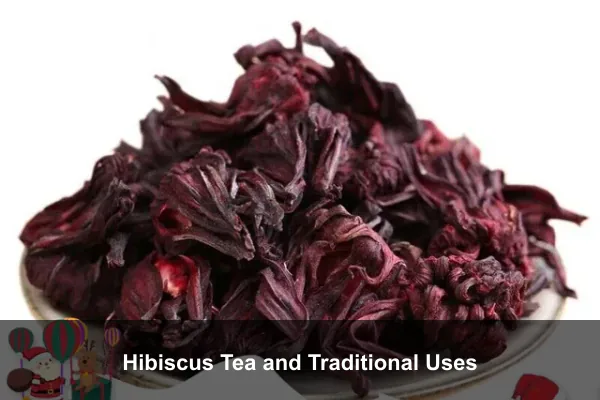
When people discuss hibiscus benefits, they often mean hibiscus tea made from dried roselle calyces. These are not the same as simply steeping any ornamental hibiscus flower from the garden. For safe use, choose food-grade dried hibiscus or grow a known edible roselle variety.
Flavor and Kitchen Uses
Hibiscus tea has a sharp, refreshing taste and deep red color. It can be used as a caffeine-free drink, an iced tea base, a syrup ingredient, or a natural color accent in beverages. Its tart profile pairs well with citrus and warming spices.
Wellness Notes
Hibiscus is often associated with antioxidants and traditional wellness routines. However, herbal use should be treated with care. People who are pregnant, breastfeeding, taking blood pressure medication, using diuretics, or managing chronic health conditions should ask a qualified health professional before drinking hibiscus regularly.
How to Grow Hibiscus Successfully
Healthy hibiscus growth depends on matching the plant type to the right climate and care routine. Tropical hibiscus prefers warm conditions, while hardy hibiscus is better for gardeners in areas with cold winters.
Light Requirements
Hibiscus grows best in bright light. Most varieties need at least 6 hours of sun daily to bloom well. In very hot climates, light afternoon shade can protect flowers and leaves from stress.
Soil and Watering
Use fertile, well-draining soil that stays lightly moist but not soggy. Hibiscus dislikes drying out completely during active growth, especially when blooming. Container plants may need more frequent watering than garden plants because pots dry faster.
Feeding for More Flowers
During the growing season, hibiscus benefits from balanced nutrition. A fertilizer made for flowering plants can support bud production, but avoid overfeeding with nitrogen because it may encourage leaves at the expense of flowers.
Pruning, Pests, and Seasonal Care
Regular care keeps hibiscus compact, productive, and less vulnerable to problems. Pruning also helps shape the plant and encourages fresh flowering growth.
Simple Pruning Tips
- Remove dead, weak, or crossing stems first.
- Trim lightly after major flowering periods to shape the plant.
- Use clean, sharp pruners to reduce disease risk.
- Avoid heavy pruning right before cold weather in cooler regions.
Common Pest Problems
Hibiscus may attract aphids, whiteflies, spider mites, mealybugs, and scale insects. Check the undersides of leaves and new buds often. Early action with water sprays, insecticidal soap, or careful hand removal is usually more effective than waiting until pests spread.
Safety, Pets, and Smart Use
Hibiscus is generally appreciated as a garden plant, but safe use depends on the species, growing conditions, and household situation. Do not consume flowers or leaves from plants treated with chemical pesticides, ornamental sprays, or unknown fertilizers.
Pet safety can vary by hibiscus type and animal sensitivity. If you have cats, dogs, or curious children, place container hibiscus where it cannot be chewed casually. For any suspected ingestion that causes vomiting, drooling, diarrhea, or unusual behavior, contact a veterinarian or medical professional.
Best Ways to Use Hibiscus in the Garden
Hibiscus works well when it is given enough room, sun, and visual importance. It can be planted as a flowering hedge, a patio container plant, a tropical accent near an entryway, or a seasonal feature in a mixed border.
- For small spaces: grow tropical hibiscus in a large pot with good drainage.
- For flower impact: combine hibiscus with green foliage plants that let the blooms stand out.
- For herbal use: grow roselle separately and label it clearly as an edible variety.
- For pollinators: avoid broad insecticide use during blooming periods.
Conclusion
Hibiscus is a rewarding plant for gardeners who want bold flowers, seasonal color, pollinator activity, and possible herbal value from the right edible varieties. Its benefits range from ornamental beauty to refreshing hibiscus tea, but the key is understanding which type you are growing and how to care for it properly.
With bright sun, well-draining soil, steady moisture, and thoughtful pruning, hibiscus can become one of the most eye-catching plants in a home garden. For anyone exploring Hibiscus plant benefits and information, this flower offers a practical blend of beauty, tradition, and garden usefulness.
