
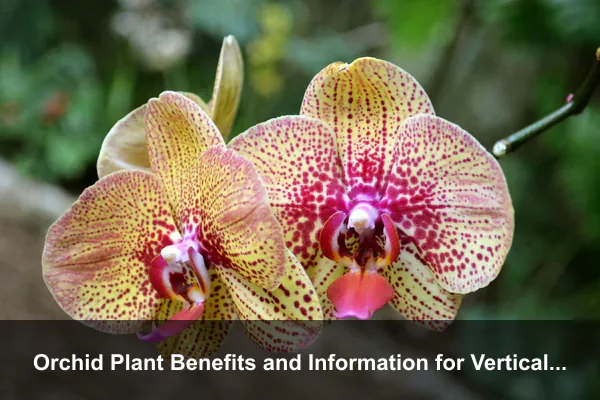
Orchids are often treated as luxury flowers, but their real value goes far beyond a few elegant blooms. A good orchid can become a long-lasting, low-mess houseplant, a living design feature, and a daily reminder that plants do not all grow the same way. This guide explores Orchid plant benefits and information from a fresh angle: how orchids work as epiphytes, how they fit into vertical indoor displays, and why their roots, leaves, and flowers can teach better plant-care habits.
In the wider world of manfaat tanaman, orchids are useful because they bring beauty, observation, patience, and space efficiency into the home. They are not miracle air purifiers or medical plants, but they do offer practical lifestyle benefits when chosen and cared for well. If you live in an apartment, work with limited shelf space, or want flowering plants without heavy soil containers, orchids are especially worth understanding.
Why Orchids Are Different From Ordinary Potted Plants
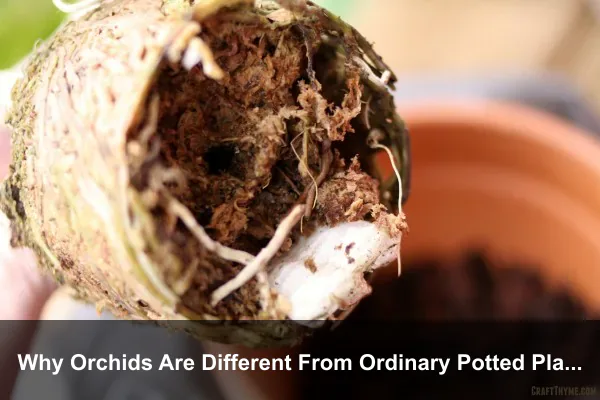
Most houseplants are grown in soil because their roots naturally search through earth for water and nutrients. Many popular orchids, however, are epiphytes. In nature, epiphytic orchids often cling to tree bark, rocks, or rough surfaces. They are not parasites; they use their host mainly for support while absorbing moisture, air, and dissolved nutrients from their surroundings.
This growth habit explains why orchid care can feel unusual at first. A healthy orchid does not want dense garden soil around its roots. It usually prefers an airy medium such as bark chips, sphagnum moss, charcoal, coconut husk, or a mounted surface with excellent airflow. When you understand this, orchid plant benefits and information become easier to apply in real homes.
Epiphyte Roots Are Part of the Display
Orchid roots are not just hidden plumbing. Many species have thick roots covered in a spongy layer called velamen, which helps absorb moisture quickly and protects the root surface. These roots may appear silver when dry and green when hydrated. For a mounted or vertical orchid display, this visible root behavior becomes part of the plant’s charm.
Orchids Reward Observation
Orchids change slowly, but they give clear signals. Firm leaves, plump roots, new root tips, and steady bloom spikes all show progress. This makes orchids useful for people who want a calmer, more intentional plant routine instead of fast-growing greenery that demands frequent pruning.
Key Benefits of Orchids for Vertical and Small-Space Living
The biggest advantage of orchids in compact homes is that they do not need to occupy large floor space. Many orchids can sit on slim shelves, hang near bright windows, or grow on mounts. This gives them a different role from large indoor trees, trailing vines, or broad foliage plants.
- Space-saving beauty: Orchids provide flowers without requiring a wide pot or large plant stand.
- Low soil mess: Bark, moss, or mounted setups are cleaner than heavy garden soil when managed properly.
- Long visual value: Many common orchids bloom for weeks or months, especially Phalaenopsis hybrids.
- Design flexibility: Orchids can work on shelves, wall grids, bathroom ledges, plant racks, and hanging boards.
- Observation-based care: Roots and leaves show when the plant needs adjustment.
- Botanical learning: Orchids teach the difference between soil plants, air plants, and epiphytes.
These benefits make orchids especially useful for renters, apartment dwellers, home-office users, and anyone who wants flowering plants without turning every surface into a potting station.
A Better Choice for Narrow Areas
A windowsill, kitchen corner, or bright bathroom ledge may be too small for many flowering plants. Compact orchids fit these narrow areas well when light and airflow are suitable. Instead of spreading sideways, they can provide a focused point of color and form.
Useful for Calmer Interior Design
Orchids have a clean, sculptural shape. Their leaves are usually simple, their stems are elegant, and their flowers have strong visual detail without needing a crowded arrangement. This makes them helpful in interiors where the goal is calm rather than clutter.
Best Orchid Types for Mounted Displays and Indoor Shelves
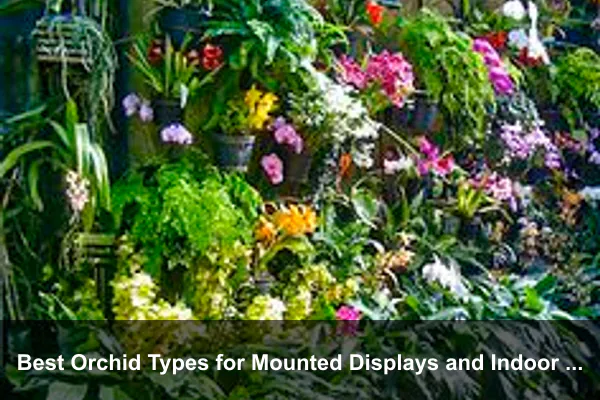
Not every orchid is ideal for a vertical setup. Some prefer pots because they need steadier moisture or because their growth habit becomes heavy. For beginners, it is smart to start with forgiving types before trying rare or demanding orchids.
Phalaenopsis Orchids
Phalaenopsis, often called moth orchids, are the most common indoor orchids. They are usually sold in pots, but they can also be displayed in airy baskets or mounted by experienced growers. Their benefit is simple: they bloom beautifully and tolerate normal indoor temperatures better than many orchids.
Dendrobium Orchids
Many Dendrobium orchids enjoy bright light and strong airflow. Some are suitable for hanging baskets or mounted arrangements. They are useful for people who have a bright indoor area, covered balcony, or greenhouse-like corner.
Oncidium Orchids
Oncidium orchids often produce sprays of smaller flowers. They can bring movement and texture to a vertical plant wall. They generally prefer good light, steady moisture, and airy roots, so they suit growers who already have a regular watering rhythm.
Miniature Orchids
Miniature orchids are excellent for small homes because they offer detail without taking over the room. Some are more demanding, but the right miniature orchid can become a living accent on cork bark, a small board, or a compact shelf.
How to Create a Healthy Soil-Free Orchid Setup
A good orchid display starts with the root environment. The goal is not to make the orchid look decorative for one week, but to create a setup that supports long-term growth. This is where orchid plant benefits and information become practical rather than just decorative.
Choose the Right Support
Mounted orchids need a surface that holds the plant securely while allowing air movement. Common options include cork bark, tree fern fiber boards, hardwood mounts, hanging baskets, and slatted wooden plaques. Avoid treated wood, painted surfaces, or materials that may release chemicals when wet.
Use Moisture-Retentive Material Carefully
Sphagnum moss can help mounted orchids stay hydrated, but too much moss can hold water against the roots for too long. A thin layer around the root zone is often better than a thick, soggy pad. The exact amount depends on room humidity, air movement, and how often you can water.
Secure the Plant Without Crushing It
Soft plant ties, coated wire, cotton string, or biodegradable twine can hold an orchid to its mount. The plant should be stable enough that roots can attach over time. Do not tie so tightly that roots are cut or stems are damaged.
- Remove old, broken, or mushy media from the root area.
- Trim only dead roots with clean tools.
- Place a small amount of moss against the mount if extra moisture is needed.
- Position the orchid so new growth has space to expand.
- Secure gently and water thoroughly after mounting.
Daily and Weekly Care for Vertical Orchids
Mounted orchids dry faster than potted orchids. This is their main tradeoff. They can be cleaner and more space-efficient, but they usually need more attentive watering. The best care rhythm depends on temperature, humidity, light, and airflow.
Watering Mounted Orchids
Instead of pouring water into a pot, mounted orchids are often soaked, sprayed, or rinsed. In a dry home, they may need water several times per week. In a humid room, they may need less. The roots are your best guide: dry roots often look silvery, while hydrated roots often look green or plump.
For a simple routine, take the mount to a sink, shower area, or basin. Wet the root zone thoroughly, let excess water drain away, and return the plant to a bright, airy location. Avoid letting water sit in the crown of monopodial orchids for long periods, especially in cool rooms.
Light Without Leaf Burn
Orchids need light to bloom, but many indoor orchids dislike harsh direct sun. Bright, filtered light is a safe starting point for common types. East-facing windows, sheer curtains, or a bright room with indirect light can work well. If leaves become yellow, scorched, or rough-looking, the light may be too strong. If leaves are very dark and the plant never blooms, it may be too dim.
Feeding in Small Amounts
Because mounted orchids are watered frequently, fertilizer can wash away quickly. Use a diluted orchid fertilizer during active growth rather than strong feeding. A weak, regular approach is usually safer than a heavy dose. Flush with plain water sometimes to reduce mineral buildup.
Common Problems and Practical Fixes
Orchids are not difficult once their growth style is respected, but problems appear when they are treated like ordinary soil plants. The most common issues are linked to water balance, poor light, and stagnant air.
Wrinkled Leaves
Wrinkled leaves can mean dehydration, but the cause may be dry roots or damaged roots that can no longer absorb water. Check the root system before increasing watering. If the roots are hollow, brown, or mushy, the plant may need a cleaner mount or fresh airy medium.
No Flowers
A healthy orchid that grows leaves but never blooms may need brighter light, a seasonal temperature shift, or more maturity. Avoid forcing blooms with excessive fertilizer. Strong roots and consistent care are more important than quick results.
Root Rot
Root rot happens when roots stay wet without enough air. In mounted displays, this usually comes from too much moss, poor drying, or a location with weak airflow. Remove dead roots, reduce moisture-retentive material, and move the plant to a brighter, airier area.
Pests
Scale, mealybugs, and mites can affect orchids. Inspect leaf joints, undersides, roots, and flower spikes. Early cleaning with a damp cloth or cotton swab is often easier than treating a large infestation later. Isolate new orchids before placing them near an established collection.
Responsible Benefits: What Orchids Can and Cannot Do
It is important to describe orchid benefits honestly. Orchids can improve the look and feel of a room, support relaxing routines, and encourage closer observation of nature. They can also make small spaces feel more alive without adding bulky planters. However, they should not be promoted as medical treatments or guaranteed air-cleaning tools.
The real value of orchids is practical and sensory. They add color, structure, and seasonal interest. They help people notice light, moisture, roots, and growth cycles. They can also support more sustainable plant habits when buyers choose healthy nursery-grown plants instead of wild-collected specimens.
Ethical Buying Matters
Buy orchids from reputable growers, garden centers, or sellers who clearly label their plants. Avoid suspicious wild-collected orchids, especially rare species. Responsible buying protects natural habitats and helps keep orchid growing accessible for home gardeners.
Safety Around Pets and Children
Many commonly sold orchids are considered pet-friendly compared with several toxic houseplants, but labels and species can vary. Keep plant tags, avoid chemical sprays in reach of children or pets, and prevent chewing on bark, moss, clips, or fertilizer residues.
Styling Ideas for Orchid Displays at Home
Orchids can look elegant without complicated styling. The best display supports the plant’s health first and decoration second. A beautiful orchid in the wrong location will decline, while a healthy orchid naturally becomes attractive over time.
- Bright kitchen shelf: Good for compact orchids if heat and steam are not extreme.
- Bathroom window: Useful where humidity is higher and light is sufficient.
- Wall-mounted plant rail: Works for small mounted orchids with easy access for watering.
- Home office corner: Adds flowering detail without taking much desk space.
- Covered balcony: Suitable for some orchids if protected from harsh sun, wind, and heavy rain.
Keep practical access in mind. If a mounted orchid is difficult to remove for watering, it may be neglected. A good display should be easy to inspect, water, and clean.
Conclusion
Orchids offer more than ornamental flowers. When viewed through epiphyte care and vertical display, they become space-smart plants with strong educational and decorative value. They suit homes where beauty, careful observation, and clean plant styling matter.
The most useful orchid plant benefits and information come from understanding how orchids naturally grow. Give their roots air, provide bright filtered light, water according to the plant’s drying rhythm, and choose responsible nursery-grown plants. With that approach, orchids can become lasting companions in small rooms, vertical displays, and thoughtful indoor gardens.
