
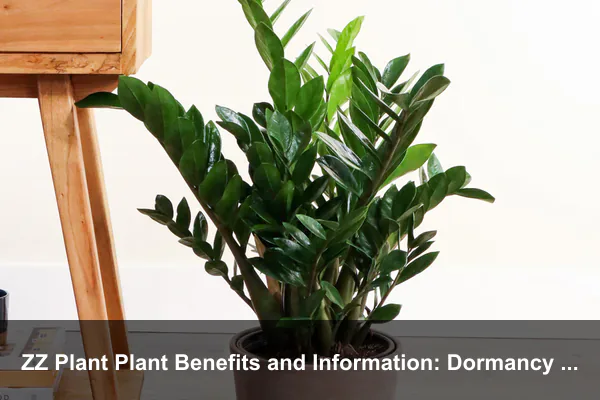
The ZZ plant has earned its reputation as one of the most forgiving indoor plants, but its real value is more specific than simply being hard to kill. A thoughtful guide to ZZ Plant plant benefits and information should explain why this glossy houseplant works so well in shaded rooms, low-energy homes, quiet apartments, offices, and other indoor spaces where many tropical plants struggle.
Known botanically as Zamioculcas zamiifolia, the ZZ plant stores water in thick underground rhizomes, keeps moisture loss low with waxy leaflets, and grows slowly enough to stay neat for years. This article takes a distinct angle: how to use the ZZ plant as a resilient, energy-smart indoor plant by understanding dormancy signs, low-light performance, realistic benefits, safety, and practical care without relying on constant grow lights, humidifiers, or complicated routines.
Why the ZZ Plant Fits Energy-Smart Indoor Living
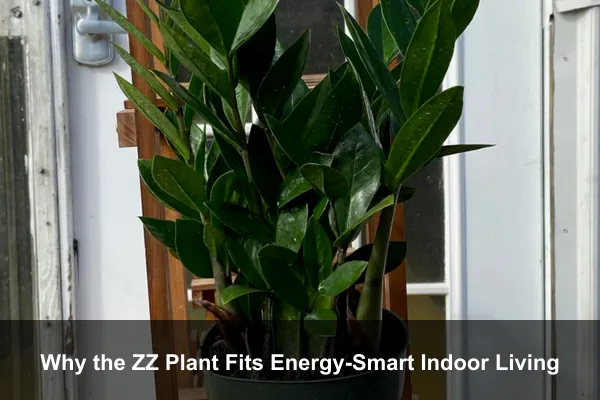
Many houseplants look beautiful in bright greenhouse photos but demand extra equipment once they enter ordinary homes. The ZZ plant is different. It tolerates lower light, missed watering, dry indoor air, and stable room temperatures, which makes it useful for people who want greenery without increasing household maintenance or energy use.
This does not mean a ZZ plant thrives in total darkness. Like all green plants, it needs light for photosynthesis. However, it can remain attractive in locations where brighter plants become thin, pale, or exhausted. In practical terms, that makes it a strong choice for hallways, bedrooms with filtered light, shaded living rooms, apartment corners, reception areas, and workspaces lit by indirect daylight.
The main energy-smart advantage is simple: a healthy ZZ plant usually does not need supplemental lighting, misting machines, heat mats, or frequent repotting. It brings the visual and psychological value of indoor greenery while keeping the care system low input.
Realistic Benefits, Not Overstated Claims
ZZ plants are sometimes promoted as miracle air purifiers. A more accurate view is better for readers and better for plant care. Like many indoor plants, the ZZ plant can contribute to a fresher-looking, more comfortable room, but one plant will not replace ventilation, cleaning, or proper humidity control. Its strongest benefits are visual calm, low-maintenance greenery, design flexibility, beginner confidence, and resilience in imperfect indoor conditions.
Botanical Profile: What Makes the ZZ Plant So Tough
The ZZ plant comes from parts of eastern Africa where it evolved to handle alternating moisture and dry periods. Its form explains much of its popularity. The plant grows upright stems lined with oval, glossy leaflets that reflect light and create a polished architectural look. Beneath the soil, potato-like rhizomes store water and nutrients.
Those rhizomes are the reason the plant can handle a dry spell better than many leafy tropical houseplants. They also explain why overwatering is the most common mistake. A ZZ plant is not asking for constant moisture; it is designed to pause, conserve, and use stored resources.
Key ZZ Plant Characteristics
- Botanical name: Zamioculcas zamiifolia.
- Plant type: Tropical perennial grown indoors as a foliage houseplant.
- Light preference: Bright indirect light to low indirect light.
- Water needs: Low to moderate, with soil drying between watering.
- Growth speed: Slow to moderate, often slower in shade.
- Main storage organ: Thick underground rhizomes.
- Best indoor role: Durable greenery for low-maintenance rooms.
Why Glossy Leaves Matter
The plant’s shiny leaflets are not just decorative. Their waxy surface helps reduce water loss and keeps the plant looking clean with occasional dusting. In interior design, this shine also matters because the leaves catch small amounts of available light. A ZZ plant can brighten a dim corner visually even when the room is not bright enough for more delicate foliage plants.
ZZ Plant Benefits for Homes and Workspaces
The most useful ZZ plant benefits come from the way it fits real daily life. It is not the best choice for edible leaves, fragrant flowers, or fast-changing displays. Its value is steadiness. It creates a green presence that asks for little attention but still makes a room feel more finished.
Visual Calm and Structure
ZZ plants have upright stems and symmetrical leaflets, so they add order rather than visual clutter. This is useful in small spaces, desks, shelves, sideboards, and entry corners where trailing vines may look messy or need frequent trimming. The plant’s deep green color works with wood, white walls, stone, metal, and neutral interiors.
Low-Pollen Indoor Greenery
For people who enjoy plants but prefer low-fragrance, low-pollen greenery, the ZZ plant is a practical option. It is grown for foliage, not showy blooms. Mature plants may occasionally produce small, subtle spadix-like flowers near the soil line, but flowering is uncommon indoors and not the main feature.
Confidence for Beginners
A plant that survives normal mistakes helps beginners build better habits. ZZ plants forgive irregular watering better than many houseplants. They also show slow, readable changes, giving owners time to respond before decline becomes severe. This makes them useful for people learning how light, soil, watering, and patience work together.
Cleaner-Looking Rooms With Less Effort
The ZZ plant’s upright habit and slow growth make it easier to keep tidy. It rarely drops leaves when healthy, does not shed petals, and does not need weekly pruning. For busy homes, shared offices, and compact apartments, this neatness is a real benefit.
Understanding ZZ Plant Dormancy and Growth Pauses
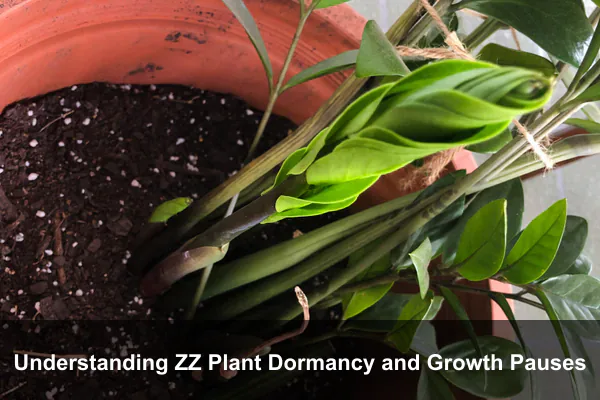
A unique part of ZZ Plant plant benefits and information is understanding dormancy. Many owners assume a plant is failing if it does not produce new leaves for months. With the ZZ plant, long pauses are normal, especially in low light, cooler rooms, or winter conditions.
Dormancy is not always a dramatic sleep phase. Indoors, it often looks like stable, unchanged foliage. The plant may hold its leaves, keep its color, and simply stop pushing new shoots. During this time, it needs less water because growth and evaporation are slower.
Normal Dormancy Signs
- No new stems for several weeks or months.
- Existing leaves stay green, firm, and glossy.
- Soil stays moist longer after watering.
- Growth resumes when light and warmth improve.
- The plant remains upright without yellowing or mushy stems.
Warning Signs That Are Not Dormancy
Dormancy should not include soft stems, foul-smelling soil, widespread yellow leaves, or blackened rhizomes. Those are more likely signs of overwatering, poor drainage, cold damage, or root rot. The difference matters because a dormant ZZ plant usually needs less attention, while a rotting ZZ plant needs quick correction.
How to Care During a Growth Pause
When a ZZ plant pauses, resist the urge to fertilize heavily or water more often. More input does not force healthy growth if the plant lacks the light or seasonal signal to use it. Instead, keep it in stable indirect light, let the potting mix dry well, clean the leaves, and wait for the next growth cycle.
Low-Light Placement Without Guesswork
ZZ plants are often called low-light plants, but that phrase can be misleading. A low-light plant still needs usable light. The goal is to choose a spot that supports slow, stable growth without burning the leaves or starving the plant.
Good Indoor Locations
- Several feet from an east-facing or north-facing window.
- A bright room corner that receives no direct afternoon sun.
- A hallway with daylight from nearby rooms.
- A desk or shelf under normal office lighting plus some indirect daylight.
- A bedroom with filtered curtains and consistent room temperature.
Locations to Avoid
- Completely windowless rooms for long-term placement.
- Hot windowsills with harsh direct sun.
- Cold drafts near exterior doors or air-conditioning blasts.
- Dark bathrooms with no daylight.
- Outdoor patios exposed to strong sun or heavy rain.
A simple test is to read a book comfortably in the room during daytime without turning on a lamp. If the space is too dark for that, it is probably too dark for long-term ZZ plant health. The plant may survive for a while, but it will not grow well.
Watering, Soil, and Potting for Long-Term Health
The easiest way to harm a ZZ plant is to water it on a strict weekly schedule without checking the soil. Because the rhizomes store moisture, the plant prefers drying time between watering sessions. A pot that stays wet can suffocate roots and damage rhizomes.
How to Water Correctly
- Check the soil with your finger or a moisture meter.
- Water only when the top half of the mix feels dry, or when the pot feels noticeably lighter.
- Water thoroughly until excess drains from the bottom.
- Empty the saucer so the pot never sits in standing water.
- Wait longer in winter, low light, or cool rooms.
In bright indirect light, some ZZ plants may need water every two to three weeks. In low light, they may go much longer. The calendar is less important than the condition of the soil and plant.
Best Potting Mix
A good mix should hold some moisture but drain quickly. A standard indoor potting mix can work if improved with perlite, pumice, orchid bark, or coarse mineral material. The aim is air around the roots, not dense wet soil.
Choose a pot with drainage holes. Decorative cachepots are fine, but the nursery pot inside should be able to drain freely. If you love ceramic containers without holes, use them only as outer covers, not as the direct planting vessel.
Repotting Without Stress
ZZ plants do not need frequent repotting. Every two to three years is often enough, and some slow-growing plants can stay in the same pot longer. Repot when the plant dries out too quickly, rhizomes crowd the pot, roots circle heavily, or the plant becomes unstable. Move up only one pot size to reduce the risk of excess wet soil.
Practical Care Calendar for a Low-Input Routine
A ZZ plant rewards simple consistency. Instead of treating it like a demanding tropical plant, build a light routine around observation. This supports healthy growth while keeping the plant’s low-maintenance benefit intact.
Weekly Checks
- Look for yellowing leaves, leaning stems, pests, or wet soil.
- Rotate the pot slightly if growth is leaning toward light.
- Remove dust from a few leaflets if they look dull.
Monthly Checks
- Check whether the soil is drying at a normal pace.
- Inspect the drainage hole and saucer for standing water.
- Trim fully yellow or damaged stems at the base with clean shears.
Seasonal Care
In spring and summer, growth may increase, so watering can become slightly more frequent. A diluted balanced houseplant fertilizer once or twice during the active season is usually enough. In fall and winter, reduce watering and skip fertilizer unless the plant is actively growing in bright conditions.
This light seasonal rhythm is especially useful for people who want the benefits of indoor greenery without building an intensive plant-care schedule.
Design Ideas: Using ZZ Plants With Purpose
The ZZ plant is most effective when used where its traits solve a real design problem. It is upright, glossy, slow, and tolerant of imperfect light, so it works well in places that need structure but cannot support fragile plants.
Entryways and Hallways
An entryway often has fluctuating light and occasional drafts. A ZZ plant in a stable corner can soften hard surfaces, make the arrival area feel intentional, and avoid the mess of flowering plants. Keep it away from direct door drafts and choose a weighted pot if the space is narrow.
Bedrooms and Quiet Corners
In bedrooms, the ZZ plant offers a calm, low-fragrance presence. It does not demand humid air or bright window space, so it can sit on a dresser, plant stand, or floor corner with indirect light. Its slow growth also means it will not quickly outgrow the room.
Work Desks and Study Areas
A small ZZ plant can add visual rest to a desk without taking over the workspace. Because it does not need frequent watering, it is less likely to create spills or soil mess around electronics. Choose compact varieties for shelves or desks and larger plants for floor placement.
Minimalist and Modern Interiors
The plant’s clean lines suit modern interiors, but it also works in warmer natural rooms. Pair it with matte clay, simple ceramic, woven baskets used as outer covers, or dark planters that emphasize the glossy leaves. Avoid oversized pots that keep soil wet for too long.
Safety, Pets, and Responsible Handling
ZZ plants contain calcium oxalate crystals, which can irritate the mouth, lips, throat, or skin if chewed or handled roughly. This does not mean the plant is dangerous to simply keep in a home, but it does mean placement matters.
Keep ZZ plants out of reach of pets and small children who may chew leaves. Wear gloves if you have sensitive skin, especially when dividing rhizomes or pruning stems. After handling cut plant material, wash your hands and clean tools.
Safe Placement Tips
- Use high shelves or closed rooms if pets chew plants.
- Do not place cut stems where children can access them.
- Dispose of pruned leaves promptly.
- Avoid using ZZ plant leaves for crafts, food decoration, or herbal use.
- Call a veterinarian or medical professional if significant chewing occurs.
The ZZ plant belongs in the ornamental plant category, not the edible or herbal category. Its benefits are decorative, practical, and wellness-supportive through indoor greenery, not through consumption.
Buying a Healthy ZZ Plant
A strong start makes care easier. When shopping, look beyond leaf shine. Retailers sometimes polish leaves, so inspect the base, soil, and stems carefully. A healthy ZZ plant should feel firm, upright, and stable in its pot.
What to Look For
- Firm stems with even green color.
- Leaflets that are glossy but not sticky or artificially coated.
- No sour smell from the soil.
- No mushy stems at the soil line.
- No visible pests under leaves or near new growth.
- A pot with drainage holes.
Choosing the Right Size
Small ZZ plants are best for desks, shelves, and bedside tables. Medium plants work well on plant stands or sideboards. Large ZZ plants create a stronger floor display in living rooms, offices, or entryways. Because they grow slowly, it is often worth buying close to the size you want rather than expecting rapid growth.
Common Problems and Simple Fixes
Even resilient plants can struggle when conditions are wrong. The advantage of the ZZ plant is that most problems are easy to identify if you read the signs carefully.
Yellow Leaves
One occasional yellow stem can be natural aging. Many yellowing stems at once usually point to overwatering, poor drainage, or cold stress. Check the soil first. If it is wet and heavy, pause watering and improve airflow. If roots or rhizomes are mushy, remove damaged parts and repot into a drier, better-draining mix.
Wrinkled Stems
Wrinkled stems may signal thirst, especially if the soil is bone dry and the pot feels very light. Water thoroughly and let excess drain. However, wrinkling can also happen after root damage, so always check soil conditions before assuming the plant simply needs more water.
Leggy Growth
Long, stretched stems with wide gaps can mean the plant wants more light. Move it gradually to brighter indirect light. Do not place it suddenly in harsh direct sun, which can scorch leaves.
Dusty, Dull Leaves
Dust blocks light and reduces the glossy appearance that makes ZZ plants so attractive. Wipe leaves with a damp soft cloth. Avoid heavy leaf-shine products because they can leave residue and attract dust.
Propagation and Division: Expanding Your Plant Slowly
ZZ plants can be propagated, but patience is essential. Division is the fastest method if the plant is mature and has multiple rhizome sections. Leaf cuttings are possible but slow, often taking months to form visible growth.
Division Method
- Remove the plant gently from its pot.
- Identify natural rhizome clusters with roots and stems.
- Separate sections carefully with clean hands or a sterile blade.
- Repot each section into a snug container with draining mix.
- Water lightly, then allow recovery in bright indirect light.
Leaf Cutting Method
Leaf cuttings are best for patient growers. Place a healthy leaflet in a well-draining medium and keep it lightly moist, not wet. Over time, a tiny rhizome may form. This method is slow, but it can be rewarding for people who enjoy observing plant development.
Conclusion: A Resilient Plant With Practical Benefits
The ZZ plant is valuable because it fits the way many people actually live. It tolerates lower light, stores water efficiently, grows slowly, and keeps a polished appearance with minimal care. Its benefits are strongest when framed realistically: dependable indoor greenery, visual calm, low-maintenance structure, beginner-friendly care, and a useful role in energy-smart homes.
For anyone researching ZZ Plant plant benefits and information, the key is to understand the plant’s rhythm. Growth pauses are normal, watering should follow soil dryness rather than a fixed schedule, and low light means reduced growth, not zero light. With safe placement, a draining pot, occasional cleaning, and patient observation, the ZZ plant can remain a long-lasting part of a healthier-looking indoor space.
