

Boston Fern plant benefits and information are often discussed in terms of air quality, humidity, and classic indoor greenery, but this fern also deserves attention for a more practical design role: it can soften exposed rooms, create gentle visual privacy, and bring life to north-facing or low-glare spaces where many bold foliage plants struggle to look natural.
Known botanically as Nephrolepis exaltata, the Boston Fern is valued for its arching, feathery fronds and its ability to make shaded interiors feel cooler, calmer, and more layered. For readers interested in Manfaat Tanaman, or the real-life benefits of plants, this guide focuses on a distinct angle: how Boston Ferns can be used as living texture, privacy, and comfort plants in apartments, rental homes, shaded rooms, and transitional indoor spaces.
Boston Fern at a Glance
The Boston Fern is a tropical fern with long fronds made up of many small leaflets. Unlike plants grown for flowers, fruit, fragrance, or architectural upright leaves, this fern offers value through movement, density, and texture. Its foliage spills outward in a soft fountain shape, making it useful for shelves, stands, window edges, and room corners that need visual depth without heavy furniture.
Basic Plant Information
- Botanical name: Nephrolepis exaltata
- Common name: Boston Fern, sword fern
- Plant type: Evergreen tropical fern
- Best indoor light: Bright indirect light to gentle filtered shade
- Water preference: Evenly moist soil, never waterlogged
- Best use: Soft indoor greenery, shaded window styling, living privacy texture
- Pet note: Commonly considered non-toxic, though chewing should still be discouraged
Its biggest strength is not dramatic growth speed or colorful foliage. Instead, the Boston Fern rewards consistency. When light, watering, and airflow are balanced, the plant becomes a full green mass that can visually soften sharp corners, break up open shelving, and add a natural screen between activity zones.
Why It Fits Plant Benefit Discussions
In the context of plant benefits, Boston Ferns are useful because they connect beauty with daily comfort. They do not need to be treated as miracle air purifiers or medicinal plants to be valuable. Their benefits are more grounded: they add greenery to shaded rooms, encourage more attentive indoor routines, reduce the visual harshness of hard surfaces, and make quiet corners feel intentionally designed.
The Unique Benefit: Soft Privacy Without Heavy Screens

One of the most overlooked Boston Fern plant benefits is its ability to create soft privacy. This does not mean it blocks a room like a curtain or divider wall. Instead, its fine fronds blur sightlines, add depth, and make open rooms feel less exposed. In apartments, studios, shared homes, or compact living areas, that gentle screening can make a meaningful difference.
A full Boston Fern placed on a waist-high stand near a window can interrupt a direct view from outside without making the room feel closed. On an open shelf, it can break up the line between a work desk and a sitting area. Near a glass door, it can provide greenery while preserving brightness. This makes the plant especially useful for people who want privacy but dislike bulky partitions.
Where Soft Privacy Works Best
- Beside a desk: A fern can soften the edge of a workspace without blocking light or movement.
- Near a north-facing window: It adds fullness where direct sun is limited.
- On an open bookshelf: The fronds create a natural filter between storage and living space.
- Behind a reading chair: It makes the corner feel more settled and less empty.
- Near balcony doors: It creates a green transition between indoor and outdoor views.
This is a different role from a tall palm, a trailing pothos, or a stiff snake plant. Boston Ferns create privacy through softness, not height alone. Their fronds overlap, move slightly with air currents, and reduce the hard outline of furniture and walls.
Where It Is Not the Best Choice
A Boston Fern is not ideal for dark rooms, hot sunny windows, or places where people brush against the fronds all day. It also should not be used as a strict privacy wall because the foliage is naturally open and airy. Think of it as a visual buffer rather than a barrier. Its strength is comfort, not complete separation.
Practical Benefits Beyond Decoration
Boston Ferns are decorative, but their value goes beyond appearance. A healthy fern changes how a room feels. It makes dry, hard, or overly minimal spaces look more lived-in. It also gives plant owners clear feedback because the fronds respond quickly to dry soil, harsh light, low humidity, or poor placement.
Realistic Indoor Comfort Benefits
- Visual softness: The fine fronds balance straight furniture lines, tile, glass, metal, and plain walls.
- Low-fragrance greenery: Boston Ferns offer plant beauty without strong scent, which suits fragrance-sensitive homes.
- Low-pollen appeal: As a foliage plant, it is often a comfortable choice for people who prefer non-flowering indoor plants.
- Routine building: Its care needs encourage regular observation without requiring advanced gardening skills.
- Flexible styling: It works in plant stands, shelves, pedestal pots, window corners, and shaded indoor displays.
These benefits matter because good plant choices are not only about survival. A plant should fit the rhythm of the home. The Boston Fern works best for people who enjoy checking soil moisture, adjusting placement, and maintaining a fresh green look rather than ignoring a plant for weeks.
Air Quality Claims in Perspective
Boston Ferns are sometimes promoted as air-cleaning plants. While houseplants can contribute to a fresher feeling indoors, one fern will not replace ventilation, cleaning, filtration, or moisture control. It is better to view the plant as part of a healthier indoor habit: open windows when conditions allow, dust surfaces, avoid overwatering, and use plants to make rooms more pleasant and attentive.
This balanced view keeps expectations realistic. The Boston Fern is valuable because it supports a greener indoor environment, not because it performs like a mechanical air purifier.
Light Strategy for North-Facing and Low-Glare Rooms
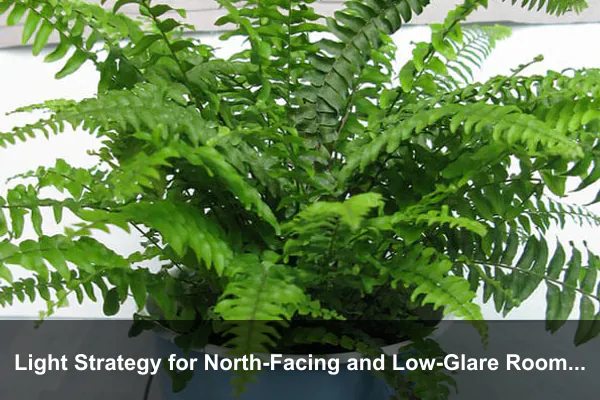
Boston Ferns often suit north-facing rooms better than many sun-loving houseplants. They appreciate bright but indirect light, and their fronds can scorch or fade when exposed to intense direct sun. This makes them useful in spaces that feel too shaded for flowering plants but too visible to leave empty.
How to Read the Light
A good Boston Fern location is bright enough for you to read comfortably during the day without turning on a lamp, but not so sunny that a sharp beam of light sits on the fronds for hours. Morning brightness, filtered window light, or a spot a few feet from a bright window can work well.
If the fronds become pale, sparse, or stretched, the plant may need more light. If the tips brown quickly and the top fronds look dry or crisp, the light may be too harsh or the air too dry. The best light position usually produces steady green growth without frequent scorching.
Placement Tips for Shaded Homes
- Place the fern near the brightest indirect window available.
- Keep it away from hot glass, heaters, and air-conditioning blasts.
- Rotate the pot every one or two weeks so all sides receive light.
- Use a plant stand to lift the fronds into better brightness.
- Supplement with a grow light if the room is consistently dim.
North-facing rooms are not automatically too dark. Many have excellent soft daylight, especially if the window is unobstructed. Boston Ferns can make those rooms feel intentionally green instead of underlit.
Water, Humidity, and Potting Basics
Boston Fern care is often described as difficult, but most problems come from extremes. The plant dislikes drying out completely, yet it also dislikes sitting in stagnant water. The goal is steady moisture with oxygen around the roots.
Watering the Right Way
Check the top layer of soil regularly. When the surface begins to feel slightly dry, water thoroughly until excess water drains from the pot. Then empty the saucer so the roots are not left standing in water. In warmer rooms, this may be needed more often. In cooler or darker rooms, watering should be reduced.
A Boston Fern that dries out too much may drop leaflets, develop crispy tips, or look thin. A fern kept too wet may yellow, smell sour at the soil surface, or collapse from root stress. Consistent checking is more reliable than a fixed weekly schedule.
Humidity Without Guesswork
Boston Ferns appreciate moderate to high humidity, but humidity care should be practical. A pebble tray may help slightly near the plant, but it will not transform a dry room. Grouping plants, using a humidifier, choosing naturally humid rooms, and keeping the fern away from vents are more effective strategies.
Misting can freshen the foliage briefly, but it should not be the only humidity plan. Wet leaves in poor airflow can invite problems. If you mist, do it lightly in the morning and make sure the plant dries before evening.
Best Soil and Pot Choice
Use a light, moisture-retentive potting mix that still drains well. A standard indoor potting mix can work if improved with materials such as perlite, coco coir, or fine bark. The pot must have drainage holes. Decorative cachepots are fine, but the inner nursery pot should be lifted out for watering or checked so water does not collect at the bottom.
Styling Boston Fern as Living Texture
The Boston Fern is especially effective in interiors where the goal is softness, not drama. Its shape works well with quiet materials such as wood, linen, rattan, ceramic, matte metal, and neutral walls. Because its fronds are detailed, it can add richness without needing bright color.
Design Ideas for Small Spaces
- Plant stand near a window: This raises the fern to eye level and lets the fronds fall naturally.
- Console table greenery: A medium fern can soften entry areas without taking floor space.
- Open shelf screen: Place the fern on a strong shelf to blur a storage area or create a green backdrop.
- Reading corner layer: Use it behind or beside a chair to create a quieter visual zone.
- Kitchen-adjacent freshness: In bright indirect light, it can soften hard counters and cabinets.
For a more natural look, avoid placing the fern in a cramped corner where the fronds are pressed against walls. Give the plant room to arch. The more naturally the fronds can spread, the more elegant the plant looks.
Good Companion Plants
Boston Ferns pair well with plants that enjoy similar indirect light and moderate moisture. Peace lilies, calatheas, some peperomias, and certain philodendrons can create a layered indoor planting style. For contrast, combine the fern with broader leaves, upright stems, or simple ceramic pots. This prevents the display from looking too busy.
Because the fern already has fine texture, avoid surrounding it with too many other delicate plants in the same small area. One fern often looks strongest when paired with simpler shapes.
Troubleshooting by Reading the Fronds
The fronds of a Boston Fern are excellent messengers. They show stress quickly, which can be frustrating, but it also helps you correct problems before the whole plant declines. Instead of reacting to every brown tip with panic, look for patterns.
Common Signs and Fixes
- Crispy brown tips: Often linked to dry soil, dry air, harsh light, or hot airflow.
- Yellowing fronds: May indicate overwatering, poor drainage, low light, or old natural frond aging.
- Leaflet drop: Usually happens after dry spells, relocation stress, or inconsistent watering.
- Pale growth: Can mean too much direct sun or not enough nutrients during active growth.
- Thin, weak growth: Often points to insufficient light or a plant that needs refreshing.
Remove fully dead fronds at the base with clean scissors. Do not cut healthy fronds just because a few tips are brown. If the plant looks uneven, prune gradually. Boston Ferns respond better to steady correction than aggressive trimming.
When to Repot
Repot when roots fill the container, water runs through too quickly, or growth becomes weak despite good care. Choose a pot only one size larger. A pot that is much too large can hold excess moisture and make root problems more likely.
Spring is usually the best time to repot because the plant is entering stronger growth. After repotting, keep conditions stable and avoid fertilizing immediately. Let the roots settle first.
Safety, Buying, and Sustainable Care
Boston Ferns are a sensible choice for many homes, including households that prefer non-toxic ornamental greenery. Still, no houseplant should be treated as a snack for pets or children. Frond chewing can cause stomach upset simply because plant material is fibrous and not intended as food.
Buying a Healthy Boston Fern
Choose a plant with full, evenly green fronds and no sour smell from the soil. Check the underside of fronds for pests, webbing, or sticky residue. Avoid plants that are severely dry, heavily shedding, or packed in standing water. A slightly imperfect fern can recover, but a badly stressed plant may take weeks to look attractive again.
Low-Waste Care Habits
- Reuse the nursery pot inside a decorative outer pot if drainage is good.
- Prune dead fronds into compost if your local system accepts plant material.
- Refresh the top layer of soil before replacing the whole plant.
- Divide mature plants when appropriate instead of buying multiples.
- Use collected rainwater only if it is clean and safe for indoor use.
Sustainable care is not about buying every accessory. It is about keeping the plant healthy for years, choosing durable pots, and avoiding quick disposal when the fern simply needs better water, light, or trimming.
Seasonal Care Rhythm
Boston Ferns respond to seasonal changes even indoors. Their care should adjust as light, temperature, and humidity shift. A plant near a window in May may behave differently in December, even if it has not moved.
Warm Season
During active growth, the fern may need more water and occasional diluted fertilizer. Bright indirect light, steady moisture, and good airflow help it produce fresh fronds. If moved outdoors, it must stay in shade or filtered light and be protected from drying winds.
Cool Season
In cooler months, growth slows. Watering should be less frequent, but the root ball should not dry completely. Indoor heating can dry the air, so watch for crisping tips. Keep the fern away from radiators, heating vents, and cold window drafts.
This seasonal rhythm makes the plant easier to maintain. Instead of forcing the same routine all year, observe how quickly the pot dries and how the fronds respond.
Frequently Asked Questions
Is Boston Fern good for beginners?
Boston Fern can be beginner-friendly for people who like regular plant care. It is less suitable for someone who wants a plant that can be ignored for long periods. If you can check moisture often and provide indirect light, it is a manageable choice.
Can Boston Fern grow in a bedroom?
Yes, if the bedroom has enough indirect light and stable humidity. It can make the room feel softer and greener, especially near a shaded window. Avoid placing it directly beside heating or cooling vents.
Does Boston Fern need direct sunlight?
No. Direct sunlight can scorch the fronds, especially through hot glass. Bright indirect light is usually better. Gentle early morning light may be acceptable, but strong afternoon sun is often too intense.
How often should I water a Boston Fern?
Water when the top of the soil begins to feel slightly dry. The exact frequency depends on pot size, room temperature, humidity, and light. Always water thoroughly and let excess drain away.
Why is my Boston Fern shedding?
Shedding often happens after underwatering, sudden relocation, low humidity, or inconsistent care. Trim dead fronds, stabilize watering, improve humidity if needed, and give the plant time to recover.
Conclusion
Boston Fern plant benefits and information become more useful when the plant is understood as more than a decorative fern. Its real strength is its ability to soften shaded rooms, create gentle visual privacy, and bring layered green texture to spaces that need comfort without clutter.
For north-facing rooms, compact apartments, rental homes, and low-glare interiors, the Boston Fern can be a practical and beautiful choice. Give it bright indirect light, steady moisture, breathable potting mix, and enough room for its fronds to arch naturally. With consistent care, it becomes a living privacy layer, a calming design feature, and a meaningful example of everyday plant benefits at home.
