
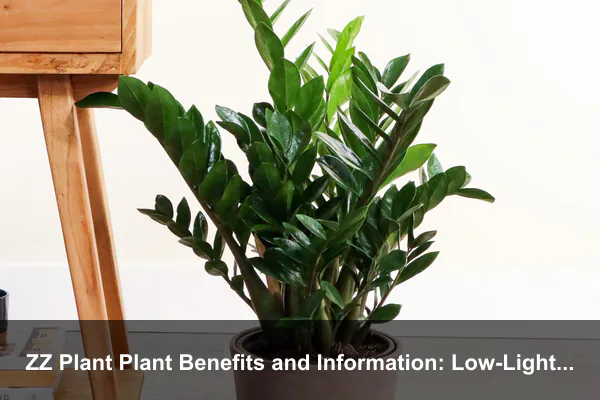
The ZZ Plant is one of the most useful indoor plants for people who want greenery without turning plant care into a demanding project. Its glossy leaflets, upright stems, and patient growth habit make it a strong choice for apartments, bedrooms, entry corners, studios, and work areas where natural light is not perfect. When people search for ZZ Plant plant benefits and information, they often want a simple answer: is this plant beautiful, useful, safe, and realistic for daily life? The short answer is yes, as long as its strengths are understood honestly.
This guide takes a different angle from a basic care sheet. Instead of treating the ZZ Plant only as a tough houseplant, it explains how to use it well in low-light interiors and how artificial light can help it stay attractive over the long term. In the language of manfaat tanaman, or plant benefits, the ZZ Plant is not valuable because it performs miracles. It is valuable because it brings reliable green structure, reduces visual harshness in plain rooms, supports a calmer indoor atmosphere, and asks for a care routine that even busy beginners can maintain.
Native to parts of eastern Africa, Zamioculcas zamiifolia has adapted to survive dry periods and inconsistent conditions. Indoors, that translates into a plant that can tolerate missed watering, shaded corners, and seasonal changes better than many leafy tropical plants. Still, tolerance is not the same as unlimited endurance. A ZZ Plant can survive in dim conditions, but it looks better, grows stronger, and resists decline when light, water, soil, and placement are planned together.
What Makes the ZZ Plant Different?
The ZZ Plant has a distinctive structure that sets it apart from many common houseplants. It grows from thick underground storage organs often described as rhizomes. These help the plant hold water and energy, which is one reason it can handle dry indoor air and irregular care better than thin-rooted plants. Above the soil, it produces smooth stems lined with shiny oval leaflets. The overall look is clean, architectural, and surprisingly formal for such an easy-care plant.
Botanical identity and indoor behavior
The botanical name of the ZZ Plant is Zamioculcas zamiifolia. It belongs to the aroid family, which also includes popular indoor plants such as pothos, philodendron, and peace lily. Unlike many vining or large-leafed aroids, the ZZ Plant usually stays upright and compact. This makes it useful where a sprawling plant would look messy or require constant pruning.
Indoors, ZZ Plants usually grow slowly. A healthy plant may produce new shoots in warm, bright months and then pause during cooler or darker seasons. This slow rhythm is not a flaw. It means the plant holds its shape, does not quickly outgrow its pot, and fits well into rooms where long-term visual order matters.
Why slow growth can be a benefit
Fast-growing plants can be rewarding, but they also create work. They may need frequent repotting, training, trimming, and pest checks. The ZZ Plant offers a different kind of benefit: stability. For shelves, console tables, low cabinets, and corners beside furniture, a plant that keeps its shape is easier to design around. You can place it once, adjust light and watering, and let it become part of the room rather than a constant task.
This is one of the most practical points in any discussion of ZZ Plant plant benefits and information. The plant is not only low maintenance because it survives neglect. It is low maintenance because its natural form supports simple, repeatable care.
Why ZZ Plants Work in Dimmer Indoor Corners
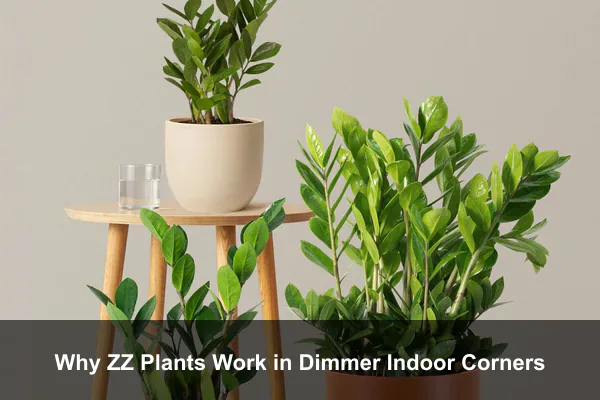
Many indoor plants are sold as low-light plants, but the phrase can be misleading. A ZZ Plant can tolerate low light better than many tropical foliage plants, yet it still needs some usable light to maintain healthy leaves. The real advantage is flexibility. The plant can be placed farther from a window than many houseplants, and it can remain attractive in bright indirect light, medium light, or carefully managed lower light.
Low light does not mean no light
No plant grows well in total darkness. If a room has no window and no artificial light, a ZZ Plant will slowly use stored energy and decline. The leaves may stay green for a while, which can create the impression that the plant is thriving, but growth will stop and the stems may eventually weaken. A better rule is this: if there is enough light to read comfortably for several hours a day without switching on a lamp, the ZZ Plant may be able to maintain itself. If not, add artificial light.
Dim indoor corners are often more complicated than they look. A spot may seem bright at noon but receive almost no light for the rest of the day. Another spot may be shaded by curtains, balconies, nearby buildings, or deep roof overhangs. The ZZ Plant handles these conditions better than fussy plants, but observing the actual light pattern is still important.
Best low-light placements
ZZ Plants are especially useful in areas that need greenery but do not receive strong sun. Good placements include:
- Entry tables where a plant can create a welcoming first impression without needing daily attention.
- Bedroom corners where low scent, clean foliage, and quiet structure are more useful than dramatic blooms.
- Hallway ends that receive borrowed light from nearby rooms.
- Bookshelves and sideboards where a compact upright plant adds height without trailing vines.
- Studio apartments where one durable plant can visually separate a work corner from a rest area.
Direct afternoon sun is usually unnecessary and can be harsh behind glass. Bright indirect light is ideal. In lower light, the plant will use less water, grow more slowly, and need a lighter care routine. This is where many owners make mistakes: they place a ZZ Plant in shade but water it as if it were in a sunny window.
Signs the corner is too dark
A ZZ Plant often communicates light problems slowly. Watch for stems leaning strongly toward a window, new growth that is pale and stretched, soil that stays damp for too long, and older stems declining without replacement. One yellow leaf is not always serious, but repeated yellowing in a dark position often means the plant is receiving more water than its light level can support.
If the room feels too dim for the plant, you do not always need to move it to a bright window. A small grow light, a better lamp position, or a rotation schedule can make the placement work while keeping the design goal intact.
Artificial Light Setup for a Healthier ZZ Plant
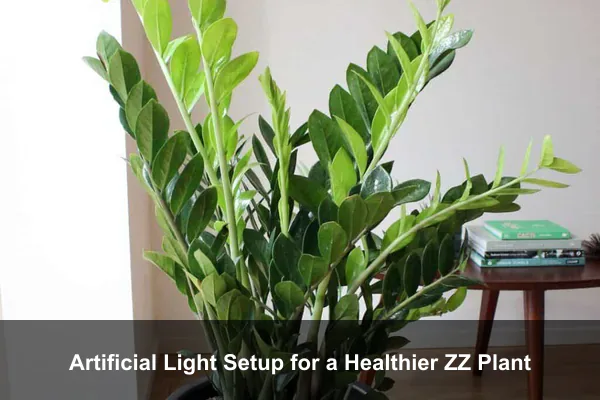
Artificial light is one of the most underused tools for ZZ Plant care. Many people assume grow lights are only for seed starting, rare plants, or indoor gardening shelves. In reality, a simple full-spectrum bulb can help a ZZ Plant maintain better color and stronger posture in a dark apartment or office-style room. This is especially helpful during rainy seasons, winter months, or in buildings where windows face walls or shaded courtyards.
Choose a simple full-spectrum light
You do not need an elaborate setup. A full-spectrum LED bulb in a desk lamp, floor lamp, or clip-on fixture can be enough for a single ZZ Plant. The goal is not to blast the plant with intense light. The goal is to provide steady, moderate support. Look for a light that is comfortable in the room and visually appropriate for the space. A plant that only looks good under harsh purple light may not serve the purpose of indoor decor.
White full-spectrum LEDs usually blend better with home interiors. They make leaves look natural, help the plant photosynthesize, and avoid the laboratory feeling that some colored grow lights create. If the plant sits in a living area, choose a fixture that also supports the room’s normal use.
Timing and distance
For a ZZ Plant in a darker area, eight to ten hours of gentle artificial light can be helpful. The lamp does not need to run all night. Plants benefit from a daily rhythm with light and darkness. A simple plug-in timer can keep the schedule consistent, which is useful for people who forget to switch lamps on and off.
Distance matters. If the bulb is too far away, the plant receives very little benefit. If it is too close and too strong, leaves may show stress or heat damage, although modern LEDs usually run cooler than older bulbs. A practical starting point is to place the light about 12 to 24 inches from the top or side of the plant, then observe the leaves and soil over several weeks. If the plant leans toward the lamp, move the light slightly closer or add more hours. If leaves look washed out, move it back.
Make artificial light part of the design
The best indoor plant setups do not look like temporary fixes. A ZZ Plant under a warm, simple floor lamp can look intentional and polished. A small plant on a shelf can share light with books, ceramics, or framed art. In a narrow hallway, a wall-mounted light or small uplight can make the plant a visual anchor while also giving it enough energy to stay healthy.
This approach is useful because it connects plant care with interior design. Instead of forcing the ZZ Plant into the brightest window, you can create a suitable microclimate where the room actually needs greenery.
Real Benefits of ZZ Plant in Everyday Indoor Life
The benefits of the ZZ Plant are best understood as practical and environmental, not magical. It will not replace ventilation, cleaning, sunlight, or healthy routines. However, it can make indoor spaces feel more complete and easier to live with. A plant that survives real conditions is often more beneficial than a dramatic plant that constantly struggles.
Visual calm and room structure
The ZZ Plant has a strong visual rhythm. Its stems rise from the soil in clean lines, and its leaflets catch light without looking chaotic. This makes it useful in rooms with many hard surfaces, screens, cables, or storage items. A single medium ZZ Plant can soften a plain corner without adding clutter.
Because the leaves are glossy and dark green, the plant works with many decor styles. It can balance white walls, wood furniture, metal shelving, neutral textiles, and darker modern interiors. This versatility is a real benefit for renters and homeowners who do not want to redesign a room around one plant.
Low-mess greenery
Some plants drop petals, shed fine leaves, release strong scents, or need frequent misting. The ZZ Plant is usually low mess. It does not bloom dramatically indoors, and it does not require humid trays, daily spraying, or constant grooming. Occasional leaf cleaning and careful watering are usually enough.
This low-mess quality matters in bedrooms, study areas, compact apartments, and shared homes. A plant that creates less maintenance friction is more likely to stay healthy because the owner can keep up with the routine.
Helpful for beginners building plant confidence
For new plant owners, the ZZ Plant teaches important habits without punishing every mistake. It encourages patience, observation, and restrained watering. Instead of asking for daily intervention, it asks owners to notice soil dryness, light level, leaf posture, and seasonal change. Those are the same skills that make someone better with other indoor plants later.
- It supports a simple care rhythm because watering is occasional rather than constant.
- It helps reduce overwatering habits because it clearly prefers drying between waterings.
- It stays visually tidy with little pruning or shaping.
- It fits small spaces because upright growth uses vertical room rather than spreading widely.
- It offers year-round greenery without relying on flowers or seasonal display.
Wellness value without exaggeration
Indoor plants can support a calmer atmosphere, but it is important to avoid exaggerated claims. A ZZ Plant should not be promoted as a medical solution or a powerful air purifier for an entire home. Laboratory plant studies do not always translate directly to real rooms with furniture, ventilation, dust, and changing air flow. The more realistic benefit is that a healthy plant can make a space feel cared for, more natural, and less sterile.
For many people, that matters. A small daily visual connection to living greenery can make a desk, bedroom, or reading corner feel more grounded. This is a meaningful benefit, even when described honestly.
Care Routine Built Around Light, Not Guesswork
The simplest way to care for a ZZ Plant is to let light level guide the rest of the routine. A plant in brighter indirect light uses water faster and may produce more growth. A plant in a dim corner uses water slowly and needs a more cautious approach. This is why fixed watering schedules often fail.
Watering by condition
Allow the potting mix to dry well before watering again. In bright indirect light, this may happen faster. In low light, it may take several weeks. Rather than watering every Saturday out of habit, check the soil. If the top several inches are dry and the pot feels lighter, water thoroughly until excess drains away. Then empty the saucer so the roots are not sitting in standing water.
Overwatering is more dangerous than underwatering for ZZ Plants. The storage rhizomes hold moisture, so the plant can handle dryness better than soggy soil. Yellowing leaves, soft stems, and a sour smell from the potting mix are warning signs that moisture is staying too long.
Soil and pot choice
A ZZ Plant does best in a free-draining potting mix. A standard indoor plant mix can work better when amended with perlite, pumice, orchid bark, or coarse material that improves air movement. The pot should have drainage holes. Decorative outer pots are fine, but the inner nursery pot should be able to drain fully after watering.
Choose a pot size that matches the root system. A pot that is much too large holds extra moisture, especially in low light. If repotting is needed, move up only one size. The goal is not to give the plant a huge amount of wet soil. The goal is to provide stable room for roots while keeping the moisture cycle predictable.
Leaf cleaning and rotation
ZZ Plant leaves look best when they are clean. Dust blocks light and dulls the natural shine. Wipe leaves gently with a damp soft cloth every few weeks or whenever dust becomes visible. Avoid heavy leaf-shine products, which can leave residue and make care more complicated.
Rotate the pot every few weeks if light comes strongly from one direction. This keeps growth more balanced and prevents the plant from leaning too much. In very low light, rotation should be paired with better light, not used as the only solution.
Feeding in moderation
ZZ Plants are not heavy feeders. During active growth, a diluted balanced houseplant fertilizer can be used occasionally. Feeding a plant that is sitting in very low light and not growing much is usually unnecessary. Fertilizer does not replace light. If the plant lacks energy from light, adding nutrients can create salt buildup without solving the main problem.
Troubleshooting: What the Leaves Are Telling You
A ZZ Plant is quiet, but it is not unreadable. Its leaves, stems, and soil condition give useful clues. The key is to connect symptoms with recent care, not to react by doing several things at once. Change one factor, observe, and adjust.
Yellow leaves
Yellow leaves are often linked to overwatering, especially when the soil is damp and the plant sits in low light. Remove fully yellow leaves, let the mix dry, and check whether the pot drains properly. If the plant is in a dark corner, reduce watering frequency or add artificial light.
Wrinkled stems or dry leaflets
Wrinkling can happen when the plant has been dry for a very long time. Water thoroughly, allow drainage, and observe over the next week. If the plant does not recover and the soil was not dry, inspect roots and rhizomes for rot. Both underwatering and root damage can prevent the plant from moving water properly.
Leaning stems
Some older stems naturally arch outward, but strong leaning toward a window or lamp suggests the plant is seeking more light. Move it closer to indirect light, rotate it, or add a lamp. If the plant is top-heavy, check whether the pot is stable and whether stems have been weakened by poor light.
Brown tips or edges
Brown tips can come from inconsistent watering, low humidity, fertilizer buildup, or physical damage. ZZ Plants do not usually need high humidity, so do not assume misting is the answer. Review watering, flush the soil if salts may have built up, and trim only the dry damaged parts if they bother you visually.
No new growth
No new growth is common in cooler months or low light. If the plant looks firm, green, and stable, it may simply be resting. If it has not grown for a year and the room is dim, increase light gradually. A ZZ Plant can be healthy without constant new leaves, but long-term stagnation usually means the environment could be improved.
Safety, Placement, and Responsible Use
The ZZ Plant is commonly kept indoors, but it should be handled with basic caution. Like many aroids, it contains calcium oxalate crystals that can irritate the mouth, skin, or stomach if chewed or ingested. This does not mean the plant is dangerous to own, but it does mean placement matters in homes with pets or young children.
Place the plant where curious pets are unlikely to chew it. Wash hands after pruning or repotting, especially if you have sensitive skin. Do not use leaves or stems for food, tea, home remedies, or skincare. The ZZ Plant is ornamental, not edible.
Smart placement in shared homes
In shared spaces, a ZZ Plant should be visible but not in the path of daily movement. Avoid narrow spots where stems will be brushed by bags, doors, or chairs. A stable plant stand, heavy cachepot, or low cabinet can protect both the plant and the people moving around it.
If children are learning about plants, the ZZ Plant can still be part of the home, but it should be presented as a plant to observe rather than touch or taste. This is part of responsible indoor gardening. Benefits are strongest when beauty, care, and safety work together.
Buying and Long-Term Planning
A good ZZ Plant starts with a healthy purchase. Look for firm stems, glossy leaves, and soil that is not sour, soggy, or covered in mold. A few older marks on leaves are normal, but avoid plants with mushy stems, widespread yellowing, or many pests. Check under leaves and around the soil surface before bringing the plant home.
Choose the right size
Small ZZ Plants are useful for shelves, desks, and bedside tables. Medium plants work well beside chairs, entry consoles, and cabinets. Larger plants can anchor a quiet corner, but they are heavier and more expensive. Because ZZ Plants grow slowly, buy close to the size you actually want instead of expecting a tiny plant to fill a large space quickly.
When planning a room, think about the final visual role. Do you need height, softness, shine, or a clean vertical accent? The ZZ Plant is especially good at providing a tidy upright shape. If you want a cascading look, a trailing plant may be better. If you want flowers, an orchid or peace lily may fit the goal better. Matching the plant to the role prevents disappointment.
Acclimation after purchase
After bringing a ZZ Plant home, give it time to adjust. Do not repot, fertilize, prune heavily, and move it repeatedly in the same week. Place it in bright indirect or suitable medium light, check soil moisture, and let it settle. If the nursery soil is very wet, wait before watering. If the plant came wrapped in decorative plastic, remove anything that blocks drainage or traps moisture around the pot.
Acclimation is especially important when moving a plant from a bright greenhouse or shop into a dim home. The plant may pause growth while it adjusts. This is normal. Focus on stable light, careful watering, and patience.
A Practical ZZ Plant Checklist
For readers who want a quick reference, this checklist summarizes the most important care decisions. It keeps the focus on realistic benefits and long-term health rather than complicated rules.
- Place it in bright indirect, medium, or supported low light. If the room is very dim, use a full-spectrum lamp.
- Water only after the soil has dried well. Low-light plants use water slowly.
- Use a pot with drainage. Decorative pots should not trap water around the root ball.
- Clean leaves gently. Dust reduces shine and limits available light.
- Rotate the plant. Balanced exposure helps prevent leaning.
- Feed lightly during active growth. Do not use fertilizer as a substitute for better light.
- Keep it away from chewing pets and small children. The plant is ornamental and not edible.
- Observe before reacting. Yellow leaves, leaning stems, and damp soil all point to different care issues.
This checklist shows why the ZZ Plant remains popular. It does not demand perfection, but it rewards thoughtful basics. When light and watering are aligned, the plant can stay handsome for years with very little drama.
Conclusion
The best way to understand ZZ Plant plant benefits and information is to see the plant as a practical partner for modern indoor spaces. It offers durable greenery, clean structure, low-mess beauty, and a forgiving care routine. Its real strength is not that it can be ignored forever, but that it can adapt to ordinary homes where light, time, and space are limited.
For low-light rooms, the ZZ Plant is one of the most sensible choices, especially when supported by careful watering and, when needed, simple artificial light. It can soften a hallway, add polish to a bedroom corner, bring green balance to a desk area, or anchor a quiet shelf without overwhelming the room. With safe placement, a draining pot, clean leaves, and patience, the ZZ Plant becomes more than a trendy houseplant. It becomes a reliable example of how indoor greenery can be beautiful, manageable, and genuinely useful in everyday life.
