
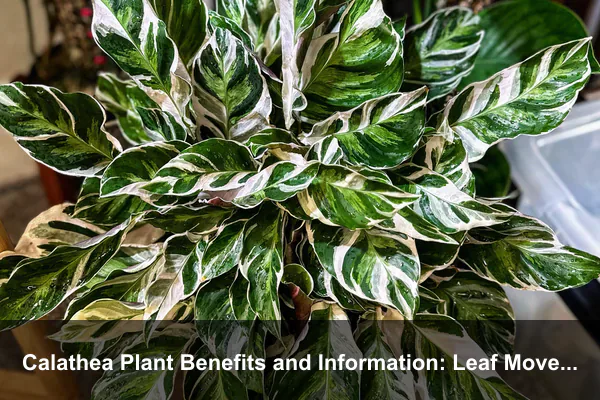
Calathea plant benefits and information often focus on colorful leaves, but the most distinctive value of this houseplant is movement. Many Calatheas raise, lower, or slightly fold their leaves between day and night, creating a quiet daily rhythm that makes the plant feel more responsive than ordinary decorative foliage.
This guide looks at Calathea from a unique angle: as a living rhythm plant for indoor spaces. You will learn its realistic benefits, basic plant information, care needs, placement ideas, and leaf signals without relying on exaggerated air-purifying claims or generic houseplant advice.
Why Calathea Feels Alive: Leaf Movement and Daily Rhythm

Calathea belongs to the Marantaceae family, a group known for ornamental foliage and fascinating leaf movement. Many plants in this family are loosely called prayer plants because their leaves may lift upward in the evening, then open again when light returns.
What Nyctinasty Means
The movement is called nyctinasty. It is a natural day-night response influenced by light, internal plant rhythm, and water pressure inside the leaf joints. A Calathea that moves during the day is not performing a trick; it is showing one of its normal botanical habits.
This makes Calathea useful for people who enjoy observing small changes at home. Instead of being a static green object, it becomes a visual cue that the room has a rhythm: morning light, afternoon warmth, evening quiet, and overnight rest.
What Leaf Movement Tells You
- Evening leaf lift: usually normal and part of the plant’s natural cycle.
- Daytime drooping: may suggest thirst, heat stress, or recent repotting shock.
- Tight curling: often points to dry air, underwatering, or too much direct sun.
- Slow recovery after watering: may mean compacted soil or stressed roots.
Calathea Plant Benefits for Indoor Well-Being
The best Calathea benefits are practical, visual, and emotional rather than medicinal. It is not a cure-all plant, but it can improve the feeling of a room through texture, color, movement, and routine.
A Visual Pause in Busy Rooms
Calathea leaves often have painted-looking patterns, soft green contrasts, purple undersides, or silver markings. These details invite short visual breaks, which can be helpful in work areas, reading corners, and screen-heavy spaces. The plant gives the eye something natural to follow without adding fragrance, sound, or clutter.
Fragrance-Free and Low-Pollen Greenery
For people who want indoor greenery without strong scent, Calathea is a good option. It is mainly grown for foliage, not flowers, so it does not dominate a room with perfume. This makes it useful for bedrooms, desks, shared apartments, and calm indoor corners where subtle plants are preferred.
Pet-Aware Indoor Value
Calathea is commonly considered a pet-friendly houseplant choice compared with many popular foliage plants. However, pet-friendly does not mean snack-friendly. Chewing can still upset a pet’s stomach and damage the plant, so place it where leaves are admired rather than eaten.
Essential Calathea Information Before You Buy
Before buying a Calathea, it helps to understand what kind of plant it is. Many plants still sold as Calathea have been reclassified botanically as Goeppertia, but the common trade name Calathea remains widely used. For everyday care, the practical needs are similar.
Common Indoor Types
You may see names such as Calathea orbifolia, rattlesnake plant, peacock plant, rose-painted Calathea, and pinstripe Calathea. Each has different markings, but most prefer filtered light, steady moisture, and higher humidity than very tough plants like snake plant or ZZ plant.
Buying Checklist
- Choose a plant with firm leaves and no widespread curling.
- Check leaf undersides for webbing, sticky residue, or small pests.
- Avoid plants sitting in soggy, sour-smelling soil.
- Look for new growth at the center, which suggests active health.
- Pick the leaf pattern you genuinely enjoy because foliage is the main feature.
Care Rhythm: Light, Water, Humidity, and Soil

Calathea care becomes easier when you treat it as a rhythm instead of a strict calendar task. The goal is not to water every exact number of days, but to keep conditions steady enough that the plant does not swing between dryness, heat, and soggy roots.
Light
Give Calathea bright, indirect light. Near an east-facing window, behind a sheer curtain, or a few feet away from a bright window often works well. Direct midday sun can fade patterns and crisp the edges, while very low light may slow growth and reduce leaf movement.
Water
Water when the top layer of potting mix begins to feel slightly dry, but before the entire root ball turns bone-dry. Calathea is sensitive to extremes: dry soil can cause curling, while constantly wet soil can damage roots. If your tap water is very hard or heavily treated, filtered water, rainwater, or water left to stand may reduce leaf-edge browning.
Humidity and Airflow
Calathea appreciates moderate to high humidity, especially in air-conditioned rooms. A humidifier, grouped plants, or a pebble tray can help, but avoid sealing the plant in stale air. Gentle airflow keeps leaves fresher and lowers the risk of fungal problems.
Soil
Use a loose, moisture-retentive potting mix. A blend for indoor foliage plants with added perlite, fine bark, or coco coir usually works well. The pot should have drainage holes because decorative cachepots can hide standing water.
Reading Leaf Signals Without Overreacting
Calathea has expressive leaves, so small changes are easy to notice. The key is to look for patterns over several days, not panic after one curled leaf or one brown tip.
- Crispy brown edges: often linked to dry air, inconsistent watering, mineral-heavy water, or old leaf age.
- Yellow lower leaves: can happen naturally, but many yellowing leaves may mean overwatering or poor drainage.
- Faded markings: usually suggest excessive light or long exposure to direct sun.
- Sticky leaves: inspect for pests such as scale or mealybugs.
- No new growth: may be normal in cooler seasons, but also check light and root health.
Where Calathea Works Best in a Home
Because Calathea is all about pattern and motion, place it where people can actually see it. A hidden corner wastes much of its charm. It works well on plant stands, side tables, low shelves, bedroom dressers, and home office surfaces with indirect light.
Good Placement Ideas
- Beside a reading chair where patterned leaves add softness.
- On a desk corner away from hot laptop vents and direct sun.
- In a bathroom with a window, where humidity is naturally higher.
- Near a morning-light window with a sheer curtain.
- In a calm entry area that does not receive harsh afternoon sun.
Design Pairings
Calathea pairs well with simple ceramic pots, woven baskets with inner nursery pots, and neutral plant stands. Because the leaves are already detailed, the container should support the plant rather than compete with it. For a cleaner look, pair Calathea with simpler foliage plants so its patterned leaves become the focal point.
Common Mistakes to Avoid
The most common Calathea mistake is treating it like a drought-proof plant. It is more responsive and more sensitive than many beginner houseplants. That does not make it impossible, but it does mean consistency matters.
- Do not place it in harsh direct sunlight for long periods.
- Do not let the pot sit in standing water.
- Do not repot too often; wait until roots truly need more space.
- Do not fertilize heavily, especially when the plant is stressed.
- Do not mist as the only humidity solution in very dry rooms.
Conclusion
Calathea plant benefits and information are best understood through its living rhythm. Its patterned foliage, low-scent presence, pet-aware reputation, and day-night leaf movement make it a meaningful indoor plant for people who enjoy quiet observation and gentle home greenery.
Choose Calathea if you can offer bright indirect light, steady moisture, moderate humidity, and a visible place in your daily routine. With those basics in place, it becomes more than decor: it becomes a small, responsive reminder that indoor spaces can feel calmer, softer, and more connected to natural time.
