
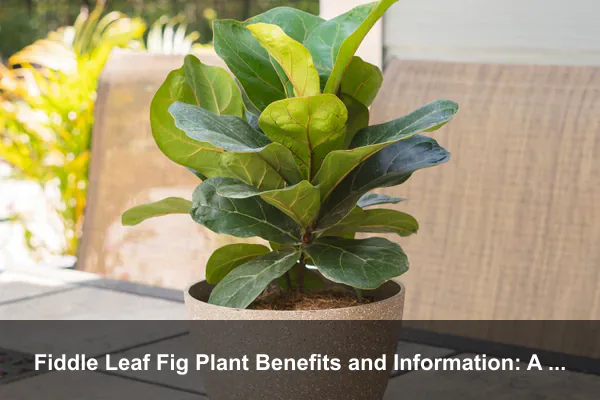
The Fiddle Leaf Fig is often described as a dramatic indoor tree, but its real value goes beyond looking impressive in a corner. When grown thoughtfully, this large-leaved houseplant can help shape brighter rooms, encourage steadier home routines, and make indoor spaces feel more intentional. For readers searching for Fiddle Leaf Fig plant benefits and information, the most useful perspective is not just how beautiful it looks, but how it can support healthier habits around light, watering, cleaning, and indoor plant observation.
Known botanically as Ficus lyrata, the Fiddle Leaf Fig has broad, violin-shaped leaves, upright growth, and a sculptural form that makes it one of the most recognizable indoor plants. It is not the easiest houseplant, but it is not mysterious either. Its benefits become easier to enjoy when you treat it less like decoration and more like a living indicator of your room conditions. This guide takes a unique, practical angle: how the Fiddle Leaf Fig can improve everyday indoor living by teaching better plant care rhythms, supporting cleaner visual spaces, and helping you understand your home environment more clearly.
Why the Fiddle Leaf Fig Is More Than a Statement Plant
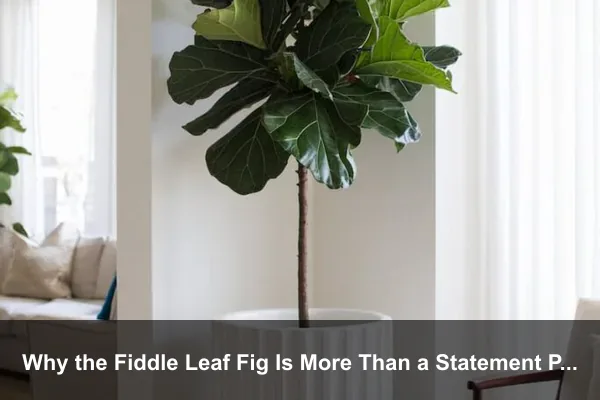
The Fiddle Leaf Fig became popular because it looks architectural. A healthy plant can add height, structure, and fresh green color without needing flowers, patterns, or complex styling. In a room filled with hard furniture, electronics, shelves, and straight lines, its large rounded leaves create a natural contrast that makes the space feel calmer and more balanced.
However, one of the most overlooked benefits of the Fiddle Leaf Fig is its ability to make people pay attention to indoor conditions. Its leaves respond visibly to changes in light, watering, humidity, dust, and temperature. That sensitivity can be frustrating if you expect a set-and-forget plant, but it is valuable if you want a houseplant that teaches observation.
In the context of Manfaat Tanaman, or plant benefits, this means the Fiddle Leaf Fig offers both aesthetic and behavioral value. It can make a room more beautiful, but it can also encourage better routines: opening curtains, checking soil before watering, cleaning leaves, rotating plants, and noticing how seasonal light changes inside the home.
Key identity facts
- Botanical name: Ficus lyrata
- Common name: Fiddle Leaf Fig
- Plant type: Tropical broadleaf evergreen, commonly grown indoors
- Best indoor role: Floor plant, visual anchor, bright-room greenery
- Main appeal: Large violin-shaped leaves and upright tree-like form
- Care level: Moderate, especially for beginners
Main Fiddle Leaf Fig Benefits for Everyday Indoor Living
Many articles focus only on the decorative benefits of this plant. That matters, but the Fiddle Leaf Fig is also useful because it changes how a room is used and maintained. Its size, leaf surface, and care needs create several practical advantages.
It creates a strong visual anchor
A single Fiddle Leaf Fig can do the work of several smaller plants. Because it grows upright and has bold foliage, it can fill empty vertical space beside a sofa, reading chair, console table, or window. This makes it especially helpful in rooms that feel unfinished or too flat.
Unlike small tabletop plants, a Fiddle Leaf Fig changes the scale of a space. It draws the eye upward and gives the room a natural focal point. This benefit is especially useful in apartments, offices, and minimalist homes where too many small decorative objects can make surfaces feel cluttered.
It supports a cleaner-looking room
The plant itself does not magically clean a messy space, but it can encourage a cleaner visual habit. Because the leaves are broad and highly visible, dust shows quickly. Many owners naturally begin wiping leaves, clearing the surrounding area, and keeping the plant zone open so the tree has room to grow.
This is a subtle but meaningful benefit: the Fiddle Leaf Fig can become a cue for regular indoor maintenance. When the plant looks dusty or crowded, the room often needs attention too. That makes it a practical plant for people who like visual reminders rather than hidden checklists.
It can soften hard interior lines
Modern interiors often include hard flooring, flat walls, metal fixtures, glass surfaces, and rectangular furniture. A Fiddle Leaf Fig introduces organic shape and movement. Its leaves curve, tilt, overlap, and change slightly as they grow, which adds softness without needing floral patterns or colorful decor.
This makes the plant useful in workspaces, living rooms, entry areas, and quiet corners where the goal is to make the environment feel less rigid. The benefit is visual comfort rather than medical treatment, but that comfort can still influence how welcoming a room feels.
It encourages mindful plant care
The Fiddle Leaf Fig rewards consistency. It prefers bright indirect light, careful watering, clean leaves, and stable placement. This makes it a good plant for building a simple care rhythm. Instead of watering randomly, owners learn to check the soil, observe leaf posture, and connect plant changes to room conditions.
That habit-building value is one reason this plant remains popular even though it has a reputation for being dramatic. It teaches patience, observation, and restraint. For many indoor gardeners, those skills become useful for caring for other houseplants too.
What the Leaves Can Teach You About Your Home

The leaves are the most expressive part of the Fiddle Leaf Fig. They are large enough to show changes clearly, which makes them useful indicators of care quality. Reading the leaves correctly can help you adjust your environment before the plant declines severely.
Yellowing leaves
Yellow leaves often point to watering problems, poor drainage, or reduced light. One yellow lower leaf is not always a crisis, especially on an older plant, but repeated yellowing should prompt a closer look. Check whether the pot has drainage holes, whether water is sitting in the saucer, and whether the plant is receiving enough bright light to use the moisture in the soil.
Brown edges or dry patches
Brown leaf edges may appear when the plant experiences inconsistent watering, dry indoor air, root stress, or strong direct sun. The pattern matters. Crispy edges can suggest dryness or irregular watering, while dark soft patches may point to excess moisture or root trouble.
Drooping leaves
Drooping can happen after underwatering, overwatering, sudden temperature change, or relocation. The best response is not to panic-water immediately. First, feel the soil several inches down. If it is dry, water thoroughly. If it is wet, improve light, airflow, and drainage before adding more water.
Leaning growth
A plant leaning toward a window is telling you where the light is strongest. This is normal, but rotating the pot every week or two can help growth stay more balanced. A heavy lean may also mean the plant needs a brighter position overall.
Best Light and Placement for Long-Term Benefits
The benefits of a Fiddle Leaf Fig depend heavily on placement. A poorly placed plant becomes stressful to manage, while a well-placed one can thrive for years. The ideal location is bright, stable, and protected from extremes.
Fiddle Leaf Figs usually perform best near an east-facing window, a bright south-facing or west-facing window with filtered light, or a room with strong ambient daylight. They can tolerate some gentle direct morning sun, but harsh afternoon sun may scorch leaves if the plant is not acclimated.
Good placement choices
- Near a bright window with indirect light
- Beside a reading chair or sofa where the plant has vertical space
- In a home office corner with steady daylight
- Near glass doors if protected from cold drafts and harsh heat
- In a room where you can easily check soil and clean leaves
Placement mistakes to avoid
- Dark corners far from natural light
- Locations beside heating vents or air conditioners
- Cold drafty entryways
- Small cramped spaces where leaves are bumped often
- Rooms where watering runoff could damage flooring
One practical way to evaluate placement is to ask whether the plant can cast a soft shadow during the brighter part of the day. If the room is too dim for a visible shadow, it may be too dim for strong Fiddle Leaf Fig growth.
Watering, Soil, and Potting Information
Watering is where many Fiddle Leaf Fig problems begin. The plant dislikes both bone-dry neglect and constantly wet soil. The goal is not to follow a rigid calendar but to create a repeatable checking routine.
How to water properly
- Check the top few inches of soil with your finger or a moisture meter.
- Water when the upper soil feels dry but the root ball is not completely hardened.
- Pour water slowly until excess drains from the bottom of the pot.
- Empty the saucer so the roots do not sit in standing water.
- Wait until the soil dries partially before watering again.
This method helps keep the root zone evenly hydrated without suffocating it. Smaller plants may dry faster than large ones in oversized pots, while plants in low light may need water less often.
Best soil qualities
A Fiddle Leaf Fig needs a potting mix that holds some moisture but drains freely. A good mix often includes quality indoor potting soil combined with aeration materials such as perlite, pumice, orchid bark, or coco chips. The exact recipe is less important than the result: water should move through the pot, and the soil should not remain soggy for many days.
Pot choice matters
Choose a pot with drainage holes. Decorative cachepots are fine, but the nursery pot inside should be removable or able to drain fully. Oversized pots can hold too much moisture around the roots, so increase pot size gradually when repotting.
Fiddle Leaf Fig as a Habit-Building Houseplant
One of the most unique benefits of the Fiddle Leaf Fig is that it can train better indoor gardening behavior. Because the plant reacts to inconsistency, it pushes owners to develop a simple care system. This can be especially useful for beginners who want to move beyond random watering.
A simple weekly routine
- Light check: Notice whether curtains, furniture, or seasonal changes are reducing brightness.
- Soil check: Test moisture before watering instead of guessing.
- Leaf check: Look for yellowing, browning, dust, pests, or new growth.
- Rotation: Turn the pot slightly to encourage balanced growth.
- Surface cleaning: Wipe dust from leaves with a soft damp cloth when needed.
This routine takes only a few minutes but prevents many common problems. It also makes the plant more rewarding because you begin to notice small changes, such as new leaves opening, stems strengthening, and the plant leaning less after rotation.
Why leaf cleaning is more than cosmetic
Dusty leaves look dull, but appearance is not the only issue. Dust can reduce the amount of light reaching the leaf surface. Since indoor light is already weaker than outdoor tropical light, keeping leaves clean supports better growth. Clean leaves also make pest problems easier to spot early.
Use a soft cloth dampened with plain water. Avoid heavy leaf-shine products, which can leave residue. Support each leaf gently from below while wiping so you do not tear the leaf or stress the stem.
Realistic Wellness Benefits and Important Limits
The Fiddle Leaf Fig is often discussed as an air-purifying plant, but indoor plant benefits should be explained realistically. Houseplants can contribute to a more pleasant indoor environment, and their leaves may collect some dust, but a single plant will not replace ventilation, cleaning, humidity control, or an air purifier where one is needed.
The wellness value of this plant is more practical and sensory. It adds greenery, gives the eye a natural resting point, encourages slower observation, and can make a room feel more cared for. These benefits matter, but they should not be exaggerated into medical claims.
Helpful wellness-related benefits
- Creates a calmer visual focus in busy rooms
- Encourages regular breaks from screens through plant checks
- Adds natural texture to plain interiors
- Supports a gentle cleaning and care routine
- Helps people notice light, dryness, and seasonal room changes
What it cannot do
- It cannot clean indoor air enough to replace proper ventilation.
- It cannot fix mold, smoke, chemical exposure, or poor building conditions.
- It cannot thrive in dark rooms simply because it is decorative.
- It cannot be treated as pet-safe or child-safe if leaves are chewed.
Safety Information for Homes with Pets and Children
Like many Ficus plants, the Fiddle Leaf Fig contains a milky sap that can irritate skin and may cause mouth or stomach irritation if chewed by pets or children. It is best placed where curious cats, dogs, toddlers, or young children cannot easily bite the leaves.
When pruning or handling damaged leaves, consider wearing gloves if you have sensitive skin. Wash hands after contact with sap. If a pet eats part of the plant and shows symptoms such as drooling, vomiting, or discomfort, contact a veterinarian for guidance.
Safer placement tips
- Use a stable heavy pot that will not tip easily.
- Keep fallen leaves picked up.
- Place the plant away from pet climbing routes.
- Avoid putting it beside children’s play areas.
- Prune damaged leaves cleanly instead of leaving torn sap-exposed tissue.
Common Problems and Practical Fixes
Fiddle Leaf Figs are easier to manage when problems are handled early. Most issues come from light, water, pests, or sudden changes. The best fix starts with identifying the likely cause instead of applying every solution at once.
Problem: leaves dropping suddenly
Sudden leaf drop often follows relocation, cold drafts, overwatering, or a sharp change in light. Keep the plant stable, check soil moisture, and avoid moving it repeatedly. If the soil is wet and heavy, improve drainage and light before watering again.
Problem: no new growth
Slow growth may be normal in cooler or darker months. If the plant has not grown during the active season, it may need brighter light, fresh nutrients, or a healthier root environment. Make changes gradually and avoid over-fertilizing a stressed plant.
Problem: small new leaves
Small leaves can signal insufficient light or inconsistent watering. Move the plant closer to a bright window and establish a steadier moisture routine. New growth quality often improves once conditions become more consistent.
Problem: pests on leaves
Check for spider mites, scale, mealybugs, and fungus gnats. Large leaves make inspection easier. Wipe leaves, isolate the plant if needed, and treat pests early with appropriate houseplant-safe methods.
How to Choose a Healthy Fiddle Leaf Fig
Buying a healthy plant makes care much easier. A weak plant can struggle for months after coming home, especially if it was already overwatered or kept in poor light at the shop.
Look for a plant with firm leaves, balanced growth, no strong sour smell from the soil, and no visible pests. A few older lower leaves with minor marks are normal, but avoid plants with widespread yellowing, mushy stems, or wet soil that smells unpleasant.
Quick buying checklist
- Leaves are firm, not limp or heavily spotted.
- New growth looks clean and undamaged.
- Stem feels sturdy and upright.
- Soil is lightly moist, not swampy.
- Pot has drainage holes.
- No webbing, sticky residue, cottony pests, or scale bumps are visible.
Styling Ideas That Support Plant Health
Good styling should not fight the plant’s needs. The best design choices give the Fiddle Leaf Fig enough light, airflow, and space while allowing its natural form to stand out.
Use it as a vertical accent
Place the plant where it can add height without blocking movement. Corners near windows, open spaces beside seating, and simple wall backgrounds work well. Avoid pushing the leaves tightly against walls or curtains, as this can reduce airflow and cause damage.
Keep nearby decor simple
The plant already has strong shape and texture. Too many small objects around the pot can make the area look cluttered and make watering harder. A simple planter, clean saucer, and open floor space often look better than a crowded arrangement.
Match the pot to the room
A neutral ceramic, fiberstone, clay, or woven outer basket can work well, as long as drainage is handled correctly. The pot should feel visually stable because the plant has a top-heavy look when mature.
Conclusion: Is a Fiddle Leaf Fig Worth Growing?
The Fiddle Leaf Fig is worth growing if you have a bright indoor space and are willing to observe the plant regularly. Its benefits include strong visual impact, natural softness, habit-building care routines, and a clearer connection to the light and moisture patterns in your home. It is not the best choice for dark corners or completely hands-off care, but it can be deeply rewarding when placed well.
For anyone researching Fiddle Leaf Fig plant benefits and information, the most balanced answer is this: the plant is beautiful, useful, and educational, but it performs best when its needs are respected. Give it bright indirect light, careful watering, clean leaves, and a stable location. In return, it can become more than a decorative houseplant. It can become a living reminder to slow down, notice your indoor environment, and care for your space with more intention.
