

The snake plant is one of the most recognizable indoor plants for modern homes, apartments, offices, and bedrooms. Known for its upright sword-like leaves, strong architectural shape, and forgiving nature, this plant is often recommended for beginners who want greenery without complicated daily care. If you are searching for Snake Plant plant benefits and information, the key point is simple: this is a tough, beautiful, low-maintenance houseplant with practical value for indoor spaces.
Botanically, the snake plant is commonly known as Dracaena trifasciata, although many gardeners still recognize its older name, Sansevieria trifasciata. In many homes, it is also called mother-in-law’s tongue because of its sharp, upright leaves. Beyond its bold appearance, the snake plant is valued for drought tolerance, flexible light needs, air-purifying reputation, and its ability to fit small rooms without taking over the floor.
This guide explains snake plant benefits, care requirements, indoor placement, safety notes, common problems, propagation, and practical growing tips. It is written for readers who want a reliable indoor plant that looks elegant, survives busy schedules, and supports a calmer living environment.
What Is a Snake Plant?
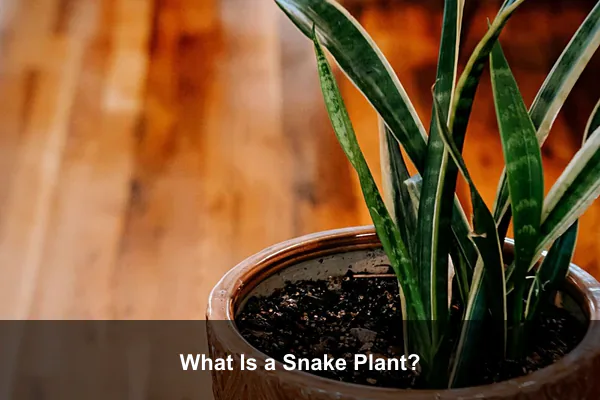
The snake plant is a tropical perennial plant with stiff, vertical leaves that grow from underground rhizomes. Its leaves are usually green with lighter bands, although some varieties have yellow margins, silver tones, compact rosettes, or cylindrical leaves. Because the plant grows upward instead of spreading widely, it is especially useful for corners, shelves, desks, entryways, and narrow rooms.
Snake plants belong to the Asparagaceae family. They are native to parts of West Africa and have adapted to survive dry periods by storing moisture in their thick leaves. This natural resilience is one reason they perform so well indoors, where watering may be irregular and humidity levels can change from season to season.
Popular Snake Plant Varieties
There are many snake plant varieties, and each has a slightly different appearance. Choosing the right one depends on your room size, design style, and available light.
- Dracaena trifasciata ‘Laurentii’: A classic type with tall green leaves and yellow edges.
- Dracaena trifasciata ‘Zeylanica’: A darker green variety with subtle horizontal striping.
- Dracaena trifasciata ‘Moonshine’: A pale silver-green variety that looks clean and modern.
- Dracaena trifasciata ‘Hahnii’: A compact bird’s nest form suitable for desks and shelves.
- Dracaena angolensis: Often called cylindrical snake plant, with round spear-like leaves.
Why It Is Considered Beginner Friendly
The snake plant is beginner friendly because it tolerates missed watering, average indoor humidity, and a wide range of light conditions. It does not need constant pruning, frequent feeding, or complicated repotting. While it grows best with proper care, it can survive conditions that would stress many softer-leaved houseplants.
Key Snake Plant Benefits for Indoor Spaces
Snake plant benefits go beyond decoration. While no indoor plant should be treated as a complete solution for air quality, health, or wellness, the snake plant can contribute to a cleaner-looking, more comfortable, and more pleasant room. Its combination of beauty, structure, and resilience makes it a practical choice for many households.
Low Maintenance Greenery
One of the biggest snake plant benefits is low maintenance care. The plant stores water in its leaves, so it does not require frequent watering. This makes it ideal for people who travel, work long hours, or often forget plant care routines. A snake plant can usually recover from underwatering more easily than from overwatering.
For busy homes, this is a major advantage. Instead of needing daily attention, the plant asks for a simple routine: bright indirect light when possible, well-draining soil, and watering only after the soil has dried.
Strong Decorative Impact
The snake plant has a clean, sculptural look. Its leaves stand upright like green blades, giving height and structure without visual clutter. This makes it suitable for minimalist interiors, office corners, bedroom floors, living room side tables, and small apartments.
Because the plant grows vertically, it provides a sense of greenery while using very little horizontal space. A tall snake plant in a simple pot can make an empty corner feel intentional and finished.
Useful for Small Spaces
Many indoor plants need wide shelves, hanging baskets, or large window areas. The snake plant is different. It can grow in a relatively narrow pot and still look full. Compact varieties are excellent for desks, nightstands, bathroom counters, and kitchen shelves, while taller types work well beside cabinets or sofas.
Flexible Light Tolerance
Snake plants are often described as low-light plants. More accurately, they are low-light tolerant. They can survive in lower light, but they grow better and keep stronger color in bright indirect light. This flexibility makes them useful for rooms where sunlight is limited, such as apartments, offices, hallways, and bedrooms with filtered windows.
Snake Plant and Indoor Air Quality
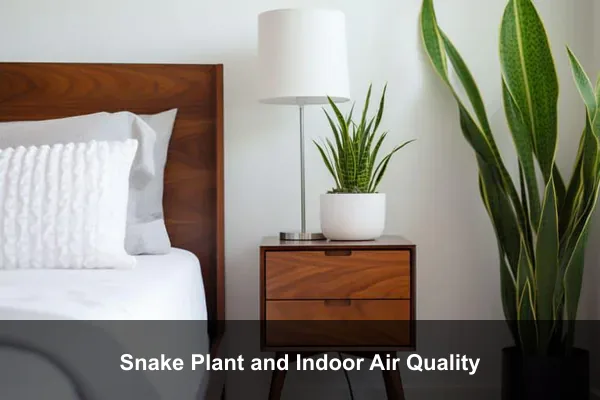
The snake plant is often mentioned in discussions about indoor air quality. It became popular partly because of research into how plants can interact with indoor pollutants in controlled conditions. However, it is important to understand this benefit with realistic expectations.
Air Purifying Reputation
Snake plants are commonly associated with the removal of certain volatile organic compounds in laboratory settings. These compounds may come from paints, furniture, cleaning products, adhesives, and synthetic materials. The plant’s leaves, roots, and surrounding soil microbes can all play roles in interacting with air and organic compounds.
That said, a few houseplants cannot replace ventilation, air filters, source control, or regular cleaning. In real homes, airflow, room size, building materials, and pollutant levels vary widely. The best way to view snake plant benefits for air quality is as a supporting contribution, not a complete air-cleaning system.
CAM Photosynthesis and Nighttime Oxygen
One reason the snake plant is popular for bedrooms is its use of CAM photosynthesis, a water-saving adaptation found in some drought-tolerant plants. CAM plants can open their stomata at night to reduce water loss. This has led to the common belief that snake plants release oxygen at night.
In practical terms, a single plant will not dramatically change oxygen levels in a room. However, the snake plant’s nighttime gas exchange is still an interesting botanical feature and adds to its appeal as a bedroom-friendly plant. Its quiet appearance, upright form, and low care needs make it a suitable choice for restful spaces.
Best Way to Use It for Fresher Rooms
To get the most practical value from a snake plant indoors, combine it with good room habits. Place it where it receives enough light to stay healthy, keep the leaves dust-free, avoid overwatering, and ventilate the room regularly. A healthy plant is always more useful and attractive than a stressed one.
- Wipe leaves gently with a damp cloth every few weeks.
- Keep the pot away from blocked air vents or direct heater flow.
- Use well-draining soil to prevent stale, wet conditions.
- Open windows when outdoor air quality is good.
- Avoid heavy chemical sprays near the plant.
Light Requirements for Healthy Snake Plant Growth
Snake plant care begins with understanding light. Although it is famous for tolerating low light, it grows best when it receives bright, indirect sunlight. The right light helps the plant produce stronger leaves, better color, and more stable growth.
Best Indoor Light
The ideal location is near a bright window with filtered sunlight. East-facing windows are often excellent because they provide gentle morning light. North-facing windows may work for slower growth, while south or west-facing windows may need a sheer curtain to soften intense afternoon sun.
If the plant receives too little light, it may survive but grow very slowly. Variegated types with yellow or silver coloring may also become duller. If the plant receives too much direct sun, especially through hot glass, leaves can scorch or develop dry patches.
Can Snake Plant Grow in Low Light?
Yes, snake plants can grow in low light, but growth will be slower. Low light is acceptable for maintaining the plant, especially in offices or hallways, but it is not ideal for fast growth. If your snake plant has been in a dark area for months and looks weak, move it gradually to brighter indirect light.
Using Grow Lights
A grow light can help if your home has very limited natural sunlight. Use a full-spectrum LED grow light placed at a reasonable distance from the leaves. Keep it on for several hours a day, depending on the brightness of the room. This is especially helpful in windowless offices, basement rooms, or during cloudy seasons.
Watering Snake Plant the Right Way
Watering is where many snake plant problems begin. The plant is drought tolerant, but it is not swamp tolerant. Overwatering is the most common cause of yellow leaves, mushy bases, root rot, and plant decline.
How Often to Water
There is no universal watering schedule that fits every home. Temperature, pot size, soil type, light level, and humidity all affect how quickly soil dries. Instead of watering by calendar, check the soil first.
Water only when the soil is dry deep into the pot. In bright warm rooms, this may be every two to three weeks. In cooler or lower-light spaces, it may be much less often. During cooler months, snake plants usually need less water because growth slows.
How to Water Properly
When it is time to water, water thoroughly until excess moisture drains from the bottom of the pot. Then empty the saucer so the pot is not sitting in standing water. This method hydrates the root zone while still allowing the soil to dry afterward.
- Check the soil with your finger or a moisture meter.
- Water only when the soil is fully dry or nearly dry.
- Pour water evenly around the soil surface.
- Let excess water drain out completely.
- Remove standing water from the saucer.
Signs of Overwatering
Overwatering can damage a snake plant quickly because the thick leaves and rhizomes hold moisture. If the roots stay wet for too long, they may rot.
- Yellowing leaves that feel soft or limp.
- Mushy leaf bases near the soil line.
- Bad smell coming from the potting mix.
- Leaves falling over without being dry.
- Wet soil that does not dry for many days.
Signs of Underwatering
Underwatering is usually easier to fix than overwatering. A thirsty snake plant may show wrinkled, curling, or slightly folded leaves. The pot may feel very light, and the soil may pull away from the pot edges.
If underwatered, water thoroughly and allow the plant time to recover. Avoid giving repeated small sips, because shallow watering may not reach the deeper roots.
Soil, Potting, and Drainage Needs
The best soil for snake plant is loose, airy, and fast draining. Because the plant dislikes sitting in wet soil, drainage is more important than richness. A heavy potting mix that holds too much water can cause root problems even if you water carefully.
Best Potting Mix
A cactus or succulent mix is often a good starting point. You can also improve regular indoor potting soil by adding coarse materials that increase drainage.
- Cactus or succulent potting mix.
- Indoor potting soil mixed with perlite.
- Potting mix with pumice for better airflow.
- A small amount of orchid bark for structure.
- Avoid dense garden soil in indoor pots.
Choosing the Right Pot
Always choose a pot with drainage holes. Decorative pots without drainage can trap water at the bottom and increase the risk of root rot. If you want to use a decorative outer pot, keep the plant in a nursery pot inside it and remove the inner pot when watering.
Terracotta pots can be useful because they allow moisture to evaporate faster. Plastic or ceramic pots can also work, but you may need to water less often because they hold moisture longer.
When to Repot
Snake plants grow slowly indoors and do not need frequent repotting. Repot when roots are crowded, the pot is cracking, the plant dries out too quickly, or growth has become unstable. A slightly snug pot is usually fine, but an extremely crowded plant may need more space.
When repotting, move up only one pot size. A pot that is too large holds extra soil, which can stay wet longer than the roots can use.
Temperature, Humidity, and Indoor Placement
Snake plants prefer typical indoor temperatures and average household humidity. This makes them easier than many tropical plants that require constant misting or humidifiers.
Ideal Temperature
The best temperature range is roughly 60 to 85 degrees Fahrenheit. Snake plants dislike cold drafts, frost, and sudden temperature swings. Keep them away from exterior doors during cold weather and avoid placing them directly beside air conditioning vents.
Humidity Needs
Average indoor humidity is usually enough. Unlike some tropical foliage plants, snake plants do not require high humidity to look healthy. In fact, very damp conditions combined with poor airflow can increase disease risk.
Best Rooms for Snake Plant
Snake plants can work in many areas of the home. The best location depends on light, temperature, and traffic flow.
- Bedroom: Good for calm visual structure and low maintenance greenery.
- Living room: Excellent as a floor plant beside furniture or in a corner.
- Office: Useful for desks, shelves, and professional spaces.
- Entryway: Works well if there is enough indirect light.
- Bathroom: Possible if the room has light and does not stay cold or constantly wet.
Snake Plant Safety for Pets and Children
Snake plant safety is important for households with cats, dogs, and young children. The plant contains saponins that can cause irritation if eaten. It is not usually considered highly dangerous, but ingestion may lead to unpleasant symptoms.
Pet Safety Notes
If cats or dogs chew snake plant leaves, they may experience drooling, nausea, vomiting, or digestive upset. Curious pets may be attracted to the upright leaves, especially if the plant is placed at floor level.
To reduce risk, place the snake plant out of reach, use a stable heavy pot, and observe pet behavior. If a pet eats part of the plant and shows symptoms, contact a veterinarian for guidance.
Child Safety Notes
For homes with small children, keep the plant where it cannot be pulled down or chewed. The leaves are stiff and pointed, so placement matters. Avoid narrow walkways where the leaves could poke at face level.
Handling the Plant
Most people can handle snake plants without issue, but wearing gloves during repotting is a good habit, especially if you have sensitive skin. Wash hands afterward and keep cut leaves away from pets.
Common Snake Plant Problems and Solutions
Snake plants are resilient, but they can still develop problems when conditions are poor. The good news is that most issues have clear causes and practical solutions.
Yellow Leaves
Yellow leaves often point to overwatering, poor drainage, or cold stress. Check the soil first. If it is wet and smells unpleasant, remove the plant from the pot and inspect the roots. Trim rotten roots with clean tools and repot in fresh, dry, well-draining mix.
Leaves Falling Over
Leaves may fall over because of low light, overwatering, physical damage, or weak roots. Tall leaves can also lean if the plant grows toward a light source. Rotate the pot every few weeks to encourage balanced growth.
Brown Tips
Brown tips can come from inconsistent watering, mineral buildup, low humidity extremes, or physical damage. Trim only the dry tips if needed, following the natural leaf shape. Review your watering routine and avoid letting fertilizer salts build up in the soil.
Soft or Mushy Leaves
Soft leaves are a warning sign. They often mean too much moisture or rot. Stop watering, check the root system, and remove damaged tissue. If the base is rotten, you may be able to save healthy leaf sections through propagation.
Pests
Snake plants are not highly pest-prone, but they can occasionally attract mealybugs, spider mites, or scale. Inspect the leaves regularly, especially where leaves meet the soil. Treat early with gentle methods such as wiping pests away and using appropriate insecticidal soap if needed.
How to Propagate Snake Plant
Propagation is one of the most rewarding parts of growing snake plant. You can create new plants through division or leaf cuttings. Division is faster and better for preserving variegation, while leaf cuttings are useful when you want to multiply a plant from healthy leaves.
Propagation by Division
Division works well when the plant has multiple clusters or crowded rhizomes. Remove the plant from its pot, gently separate sections with roots attached, and replant each section in well-draining soil. This method gives you a mature-looking plant more quickly.
- Remove the snake plant from its pot.
- Shake away loose soil so you can see the rhizomes.
- Separate natural sections with roots and leaves.
- Use clean tools if cutting is needed.
- Repot each division into a suitable container.
- Wait a few days before watering if cuts were made.
Propagation by Leaf Cuttings
Leaf cuttings can be rooted in water or soil. Cut a healthy leaf into sections, allow the cut ends to dry for a short time, then place the correct end into moist but not soggy medium. Keep the cuttings in bright indirect light and be patient, because rooting can take weeks or months.
One important note: variegated snake plants propagated by leaf cuttings may lose their yellow edges. If you want to keep the exact variegation, use division instead.
Fertilizing and Long-Term Maintenance
Snake plants are light feeders. Too much fertilizer can cause weak growth or salt buildup, especially in pots. A simple feeding routine during the active growing season is enough.
How Often to Fertilize
Feed once a month or every six to eight weeks during spring and summer with a balanced houseplant fertilizer diluted to half strength. Avoid fertilizing heavily in fall and winter when growth slows.
Cleaning the Leaves
Dust can block light and make the plant look dull. Wipe leaves gently with a soft damp cloth. Avoid heavy leaf shine products, which can leave residue. Clean leaves improve appearance and help the plant photosynthesize more efficiently.
Pruning
Snake plants do not require regular pruning. Remove damaged, dead, or diseased leaves by cutting them near the base with clean tools. If a leaf is only slightly damaged at the tip, you can trim the dry portion while maintaining the leaf’s natural point.
Design Ideas for Using Snake Plant Indoors
The snake plant is both practical and decorative. Its strong vertical form makes it easy to style in different interiors, from simple apartments to professional workspaces.
Minimalist Rooms
A single tall snake plant in a plain ceramic or terracotta pot can bring structure to a minimalist room. Choose varieties like ‘Zeylanica’ or ‘Moonshine’ for a clean, refined appearance.
Bedroom Corners
Place a medium or tall snake plant near a bedroom window where it receives indirect light. It adds greenery without making the room feel crowded. Use a stable pot so the plant does not tip easily.
Office and Desk Spaces
Compact varieties are excellent for desks and shelves. They add life to work areas without needing daily care. Because they tolerate average indoor conditions, they are suitable for office environments where maintenance may be limited.
Grouped with Other Plants
Snake plants pair well with softer foliage plants because their upright leaves create contrast. To avoid a cluttered look, group plants with different heights, leaf shapes, and pot textures. Keep each plant’s care needs in mind so watering remains manageable.
Snake Plant Myths and Realistic Expectations
Because snake plants are so popular, many claims about them are repeated online. Some are useful, while others need context. Understanding the difference helps you appreciate the plant without expecting unrealistic results.
Myth: It Needs No Light
Snake plants tolerate low light, but they still need light to grow. In very dark rooms, they may slowly weaken. Bright indirect light is better for long-term health.
Myth: It Never Needs Water
The plant is drought tolerant, not water-free. It still needs occasional deep watering. The goal is to water less often, not never.
Myth: It Completely Purifies Indoor Air
Snake plants may support a healthier indoor environment, but they cannot replace ventilation, cleaning, or air filtration. Treat them as one helpful part of a better indoor space.
Myth: It Is Safe for Every Pet
Snake plant is not pet-safe if eaten. Pet owners should place it carefully and monitor chewing behavior.
Buying a Healthy Snake Plant
When buying a snake plant, inspect it carefully before bringing it home. A healthy plant will have firm leaves, stable growth, and soil that does not smell sour or rotten.
- Choose firm upright leaves without mushy bases.
- Avoid plants with many yellow or collapsing leaves.
- Check leaf joints and soil surface for pests.
- Look for a pot with drainage holes.
- Choose a size that suits your room and light conditions.
After bringing the plant home, allow it to adjust before repotting unless the soil is poor or the roots are clearly in trouble. Sudden changes in light, temperature, and watering can stress any plant, even a resilient one.
Conclusion
The snake plant is a strong choice for anyone who wants an attractive indoor plant with practical benefits and simple care. Its upright leaves, drought tolerance, flexible light needs, and compact footprint make it suitable for bedrooms, offices, apartments, and busy households. While it should not be treated as a miracle air purifier or medical solution, it can support a fresher, calmer, and more natural indoor environment.
For best results, give your snake plant bright indirect light, a pot with drainage, fast-draining soil, and careful watering only after the soil has dried. Keep it away from pets and small children who may chew the leaves, and inspect it occasionally for signs of stress. With these basic habits, the snake plant can remain healthy and beautiful for years, making it one of the most reliable houseplants for both beginners and experienced plant lovers.
