
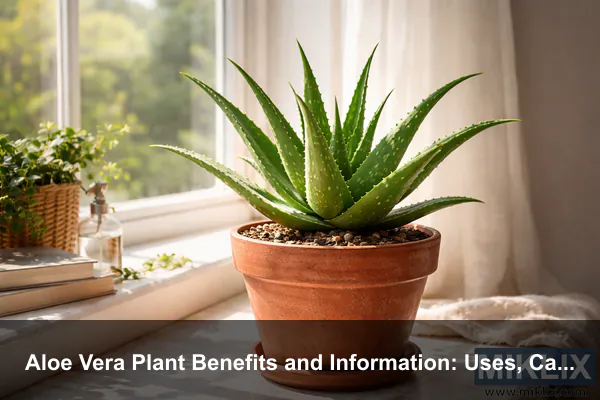
Aloe vera is one of the most recognizable herbal plants in the world, valued for its thick green leaves, soothing gel, and easy-care nature. For many homes and gardens, it is more than a decorative succulent. It is a practical plant that connects beauty, wellness, and simple everyday plant care in one compact form.
This guide explores Aloe Vera plant benefits and information from a balanced perspective: what makes the plant useful, how people commonly use it, how to grow it successfully, and what safety points every owner should understand. Unlike ordinary indoor foliage plants, aloe vera stands out because its fleshy leaves store a clear gel that has been traditionally used for skin comfort, minor sun exposure, and personal care routines.
What Makes the Aloe Vera Plant Unique?
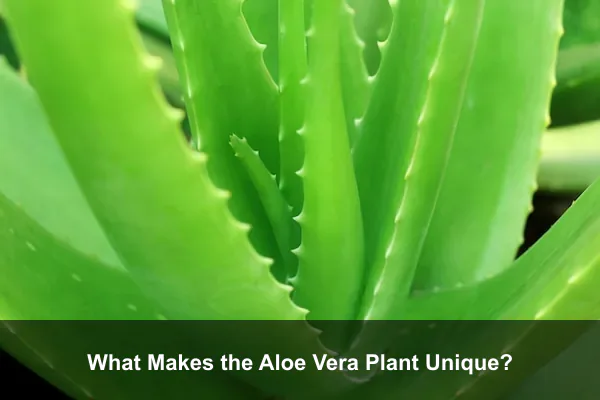
Aloe vera, botanically known as Aloe barbadensis miller, is a succulent plant from the Asphodelaceae family. Its leaves are thick, pointed, and filled with moisture-rich gel. The plant naturally grows in dry, sunny regions, which explains why it tolerates drought better than many common houseplants.
The most distinctive part of aloe vera is its leaf structure. Each leaf contains three main layers: the outer green skin, a yellow latex layer just under the skin, and the inner clear gel. The gel is the part most often associated with aloe vera benefits, while the yellow latex requires caution because it can irritate the digestive system and skin in some people.
A Plant With Practical and Ornamental Value
Aloe vera fits well into the niche of Manfaat Tanaman, or plant benefits, because it offers both visual and functional value. It looks clean and architectural in a pot, yet it also provides a harvestable gel when grown responsibly. This combination makes it especially popular among beginner gardeners, apartment dwellers, and people who prefer low-maintenance herbal plants.
Key Aloe Vera Plant Benefits
When discussing Aloe Vera plant benefits and information, it is important to separate traditional use from proven medical claims. Aloe vera is widely used in skincare and home wellness, but it should not replace professional medical care for serious burns, wounds, allergies, or digestive problems.
Soothing Support for Skin
Aloe vera gel is best known for its cooling feel on the skin. Many people use fresh or commercially prepared aloe gel after sun exposure, shaving, or mild skin dryness. Its watery texture helps hydrate the skin surface, while its cooling sensation can make irritated areas feel more comfortable.
Natural Moisture for Personal Care
The gel contains water, polysaccharides, and plant compounds that make it useful in lotions, shampoos, gels, and after-sun products. For people who enjoy plant-based personal care, aloe vera is often considered a simple ingredient for moisture and skin freshness.
A Helpful Plant for Dry Indoor Conditions
Aloe vera does not humidify a room in a dramatic way, but it can tolerate dry indoor air better than many tropical plants. This makes it suitable for bright kitchens, sunny windowsills, balconies, and small-space gardens where humidity is inconsistent.
Low-Maintenance Greenery
One of the strongest aloe vera benefits is its forgiving nature. It does not need frequent watering, heavy feeding, or complicated pruning. For busy plant owners, it offers the satisfaction of growing a useful plant without demanding daily attention.
Common Aloe Vera Uses at Home
Aloe vera is often kept because it feels practical. A mature plant can provide small amounts of fresh gel, and its leaves can be harvested carefully without destroying the entire plant.
- Skin cooling: Fresh inner gel is commonly applied to mild, non-serious skin discomfort.
- After-sun care: Many people use aloe gel for a cooling sensation after being outdoors.
- Hair and scalp products: Aloe appears in shampoos, conditioners, and soothing scalp gels.
- Decorative planting: Its sculptural shape works well in minimalist pots and sunny corners.
- Beginner gardening: Its drought tolerance makes it easier to maintain than many moisture-loving plants.
If you use fresh aloe from your own plant, wash the leaf, remove the green skin, and use only the clear inner gel. Avoid the yellow sap, especially for internal use. People with sensitive skin should test a small patch first.
How to Grow Aloe Vera Successfully
Aloe vera care is simple when you remember its natural preference: bright light, fast-draining soil, and dry periods between watering. Most problems happen when the plant receives too much water or too little light.
Light Requirements
Aloe vera grows best in bright, indirect light with some gentle direct sun. A sunny window is usually ideal indoors. If the leaves become pale, stretched, or floppy, the plant may need more light. If the leaves turn brown or scorched, move it away from harsh afternoon sun and let it adjust gradually.
Watering Schedule
Water deeply, then allow the soil to dry out before watering again. In warm months, this may mean watering every two to three weeks. In cooler months, aloe vera may need even less. The exact schedule depends on pot size, light, temperature, and soil type.
- Check the top few inches of soil.
- Water only when the mix feels dry.
- Let excess water drain completely.
- Never leave the pot sitting in a saucer of water.
Soil and Potting
Use a cactus or succulent potting mix, or improve regular potting soil with perlite, pumice, or coarse sand. A pot with drainage holes is essential. Terracotta pots are especially useful because they help moisture evaporate more quickly.
Harvesting Aloe Vera Gel the Right Way
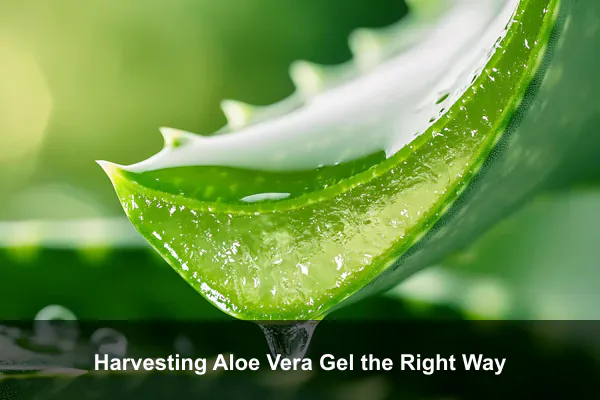
Harvesting should be done carefully so the plant can continue growing. Choose a mature outer leaf rather than the younger leaves near the center. Cut close to the base using a clean knife, then let the yellow latex drain away before collecting the clear gel.
Simple Harvesting Steps
- Select a thick, mature outer leaf.
- Cut it cleanly near the base of the plant.
- Stand the leaf upright for several minutes to drain yellow sap.
- Trim off the spiny edges and peel away the green skin.
- Scoop or slice the clear gel and use it promptly.
Fresh aloe gel should be handled hygienically and stored in the refrigerator if not used immediately. Discard it if it changes smell, color, or texture.
Safety Notes and Common Mistakes
Aloe vera is useful, but it is not risk-free. The inner gel is generally the part used topically, while aloe latex is more likely to cause irritation or digestive side effects. Internal use should be approached with caution and professional guidance.
Important Safety Considerations
- Do not apply aloe vera to deep wounds, severe burns, or infected skin without medical advice.
- Patch test before using fresh aloe gel on sensitive skin.
- Keep aloe vera away from pets that chew plants, as ingestion may cause stomach upset.
- Avoid consuming aloe latex, especially during pregnancy, while breastfeeding, or when taking medication.
- Choose commercial aloe products from reputable brands if you need consistent quality.
Growing Mistakes to Avoid
The most common mistake is overwatering. Mushy leaves, a soft base, and blackened roots usually indicate rot. Another common issue is poor light, which causes weak, stretched growth. To keep aloe vera healthy, think of it as a sun-loving succulent rather than a typical leafy houseplant.
Best Places to Keep an Aloe Vera Plant
Aloe vera works well in bright, practical spaces. A kitchen windowsill is popular because the plant is easy to access, but any sunny indoor area can work. Outdoors, it can grow in containers, patios, and warm garden beds as long as it is protected from frost and heavy rain.
In small homes, aloe vera is a strong choice because it grows upright and does not spread aggressively. It also pairs well with other drought-tolerant plants such as haworthia, echeveria, and snake plant, as long as each plant has enough light and drainage.
Conclusion
Aloe vera is a valuable herbal succulent with a rare mix of beauty, usefulness, and easy care. Its thick leaves, soothing gel, and drought tolerance make it one of the best plants for beginners who want more than decoration from their indoor or outdoor greenery.
The most important Aloe Vera plant benefits and information come down to practical use and responsible care. Grow it in bright light, water it sparingly, use well-draining soil, and harvest only mature leaves when needed. With the right approach, aloe vera can become a long-lasting plant that supports both your home garden and your everyday plant-based wellness routine.
