
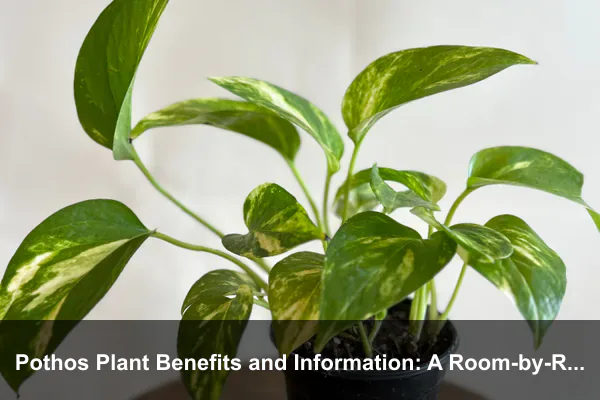
Pothos is one of the most adaptable houseplants for people who want visible greenery without building their whole day around plant care. Its trailing vines, heart-shaped leaves, and tolerance for ordinary indoor conditions make it useful in homes, apartments, offices, dorm rooms, and small studios. When people search for Pothos plant benefits and information, they often want more than a care chart. They want to know where the plant fits into real life: the kitchen shelf, the work desk, the bedroom corner, the entryway, or the bright bathroom window.
This guide takes a practical room-by-room approach. Instead of repeating basic pothos facts only, it explains how this plant can support calmer spaces, easier routines, better observation habits, and more flexible indoor greenery. Pothos is not a miracle air purifier or a medical treatment, but it is a reliable living plant that can make a room feel fresher, softer, and more cared for when used thoughtfully.
What Makes Pothos a Useful Indoor Plant?
Pothos, often sold as golden pothos, devil’s ivy, marble queen pothos, neon pothos, jade pothos, or manjula pothos, belongs to the aroid group of plants. Its appeal comes from a simple combination: it grows in vines, accepts average home light, bounces back from missed watering better than many tropical plants, and can be trimmed or propagated easily.
For beginners, this forgiving nature reduces the fear of failure. For experienced indoor gardeners, pothos becomes a flexible design plant that can trail from shelves, climb a pole, soften sharp furniture lines, or fill blank corners. In the Indonesian context of manfaat tanaman, pothos offers everyday plant benefits through visual comfort, simple care learning, and low-pressure indoor greening rather than herbal or edible use.
Key Pothos Characteristics
- Growth habit: trailing or climbing vine with nodes that can root in water or soil.
- Light preference: bright indirect light, though many varieties tolerate medium indoor light.
- Water needs: moderate; allow the top layer of soil to dry before watering again.
- Best use: shelves, hanging planters, desk corners, plant stands, bookcases, and indoor trellises.
- Safety note: pothos is not edible and should be kept away from pets and small children who may chew leaves.
Room-by-Room Pothos Benefits
The biggest benefit of pothos is its flexibility. One plant can play different roles depending on where it is placed. A pothos in the kitchen may make a small shelf feel alive, while the same plant in a home office can create a softer visual break from screens.
Living Room: Softening Hard Edges
Living rooms often contain straight lines: TV units, shelves, tables, speakers, and storage cabinets. Pothos vines add organic movement that makes the room feel less rigid. A pot placed on a high shelf can trail naturally, while a plant trained around a simple support can add height without taking up much floor space.
For best results, place pothos where it receives indirect daylight and where the vines will not be constantly brushed, pulled, or trapped in cabinet doors. Trim long stems before they become tangled behind electronics.
Home Office: A Low-Pressure Focus Plant
Pothos works well in workspaces because it provides visual relief without demanding constant attention. A small pot near the desk, but not directly in the way of papers or devices, can create a useful pause point for the eyes. Looking briefly at leaves can help break the feeling of staring only at screens and flat surfaces.
Keep the plant out of harsh afternoon sun through glass, and avoid placing it directly beside hot computer vents. A compact jade or golden pothos is often easier for desk use than a long trailing plant.
Kitchen: Greenery Without Taking Over
Pothos is decorative, not edible, so it should not be treated like basil, mint, or other kitchen herbs. Its value in the kitchen is visual freshness. It can sit on a high shelf, windowsill, or wall-mounted planter as long as it is away from stove heat, oil splatter, and food preparation surfaces.
If the kitchen is humid and bright, pothos may grow quickly. Rotate the pot occasionally so growth stays balanced, and wipe dust or cooking film from the leaves with a damp cloth.
Bedroom: Calm Visual Texture
A pothos plant can make a bedroom feel more restful by adding gentle leaf texture and a sense of living rhythm. It is best used as simple greenery rather than as a claim-based sleep solution. Place it on a dresser, shelf, or plant stand where it gets morning light or steady indirect light.
Avoid overwatering bedroom plants because lower airflow can keep soil wet longer. If the room is dim, choose a green variety such as jade pothos rather than a heavily variegated type that needs brighter light to keep its pattern.
Bathroom: Humidity-Friendly Greenery
Bathrooms with windows can be excellent for pothos because the plant appreciates moderate humidity. A trailing pothos near a bright frosted window can soften tile, mirrors, and metal fixtures. However, a windowless bathroom is usually not a good long-term location unless you use a proper grow light.
Check soil moisture carefully in humid rooms. The surface may dry slowly, so watering by schedule can lead to root problems. Always test the potting mix first.
Realistic Wellness Value of Pothos
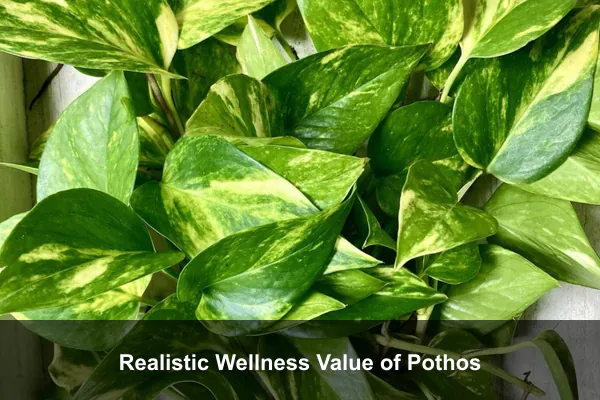
Pothos is often described as an air-purifying plant, but indoor air quality is more complex than one plant on a shelf. In a normal home, ventilation, cleaning habits, humidity control, and source reduction matter much more than a few houseplants. That said, pothos still has realistic wellness value.
Its benefits come from the way living greenery changes how a space feels and how people interact with their environment. Caring for a plant encourages observation, gentle routine, and small moments of attention. For many people, that is the most practical benefit.
Practical Benefits You Can Expect
- Visual comfort: green leaves can soften busy rooms and make indoor spaces feel less sterile.
- Routine support: checking soil and leaves builds a simple habit that connects you with your home environment.
- Beginner confidence: pothos tolerates imperfect care better than many delicate houseplants.
- Space efficiency: vines grow vertically or downward, making the plant useful in small rooms.
- Easy sharing: stem cuttings can root easily, making pothos a friendly plant to share with others.
Benefits You Should Not Overclaim
Pothos should not be promoted as a cure for illness, a guaranteed air filter, or a replacement for safe ventilation. It should also not be used as food, tea, medicine, or pet enrichment. A responsible article about Pothos plant benefits and information should separate emotional, decorative, and practical plant value from exaggerated health claims.
How to Care for Pothos in Everyday Life
Pothos care is simple when you observe the plant instead of following a rigid calendar. The plant’s leaves, soil, and growth rate give useful clues about what it needs.
Light
Bright indirect light produces the best growth and stronger variegation. Golden, marble, and neon varieties usually look better when they receive steady filtered light. In low light, pothos may survive but grow more slowly, produce smaller leaves, or lose some color contrast.
A good placement is near an east-facing window, a few feet from a bright south or west-facing window, or under a suitable indoor grow light. Avoid strong direct sun that scorches leaves.
Watering
Water pothos when the top part of the soil feels dry. In many homes, this may be every one to two weeks, but the exact timing depends on pot size, temperature, light, soil mix, and season. A plant in bright light dries faster than one in a dim corner.
- Touch the soil before watering.
- Water thoroughly until excess drains from the pot.
- Empty the saucer so roots do not sit in water.
- Wait until the top layer dries before watering again.
Soil and Pot
Use a well-draining indoor potting mix. A mix with peat or coco coir, perlite, bark, or similar airy materials helps roots breathe. The pot should have drainage holes. Decorative outer pots are fine, but the nursery pot inside should not sit in standing water.
Pruning
Pruning keeps pothos tidy and encourages fuller growth. Cut just above a node, which is the small bump where a leaf and root can grow. Long bare vines can be trimmed and propagated. Regular light pruning is better than waiting until the plant becomes thin, tangled, or difficult to manage.
Choosing the Right Pothos Variety
Different pothos varieties suit different spaces. The best choice depends on your light conditions, design preference, and care style.
Golden Pothos
Golden pothos is one of the most common and resilient types. It has green leaves with yellow variegation and handles average indoor conditions well. It is ideal for beginners and busy households.
Jade Pothos
Jade pothos has solid green leaves and is often more tolerant of lower light than highly variegated varieties. It is a good choice for bedrooms, hallways with indirect light, and simple minimalist interiors.
Marble Queen Pothos
Marble queen pothos has creamy white and green marbling. It needs brighter indirect light to maintain attractive variegation. In dim conditions, growth may slow noticeably.
Neon Pothos
Neon pothos has bright chartreuse leaves that can add color to neutral rooms. It looks especially fresh in offices, kitchens, and modern interiors, but it still needs indirect light to stay vibrant.
Safe Placement for Homes with Pets and Children
Pothos contains calcium oxalate crystals that can irritate the mouth and digestive tract if chewed. This makes safe placement important in homes with cats, dogs, toddlers, or curious children. The plant is beautiful, but it is not a toy or edible plant.
Place pothos in hanging planters, high shelves, wall-mounted pots, or rooms where pets do not have access. Do not let long vines trail onto the floor if animals may chew them. If a pet or child eats part of the plant, contact a veterinarian, pediatrician, or poison control service for guidance.
Safety Checklist
- Keep vines above chewing height.
- Clean fallen leaves quickly.
- Use stable pots that cannot be easily tipped.
- Label plant cuttings if sharing them with new plant owners.
- Wash hands after pruning or handling sap.
Common Pothos Problems and Simple Fixes
Most pothos problems come from water, light, or placement. The plant usually gives clear signs before decline becomes serious.
Yellow Leaves
One or two old yellow leaves can be normal. Many yellow leaves at once may indicate overwatering, poor drainage, or sudden stress. Check the roots and soil moisture before adding more water.
Brown Tips
Brown tips can come from inconsistent watering, dry air, mineral buildup, or old leaf tissue. Trim only the damaged part if it bothers you, and review watering consistency.
Leggy Growth
Long vines with wide gaps between leaves often mean the plant wants more light or needs pruning. Move it to brighter indirect light and trim stems to encourage fuller growth.
Drooping Leaves
Drooping can mean the plant is thirsty, but it can also happen when roots are too wet and unhealthy. Always check soil moisture before assuming the answer is more water.
Conclusion
Pothos is valuable because it makes indoor greenery achievable. It offers beauty, flexibility, beginner confidence, easy propagation, and room-by-room usefulness without requiring complicated care. The most honest Pothos plant benefits and information focus on practical daily value: softer rooms, simple routines, adaptable placement, and a living plant that teaches observation over perfection.
Choose the right variety for your light, place it safely away from pets and children, water only when the soil begins to dry, and trim vines before they become unmanageable. With these habits, pothos can become more than a decorative plant. It can be a steady, low-pressure part of a greener and more comfortable indoor life.
