
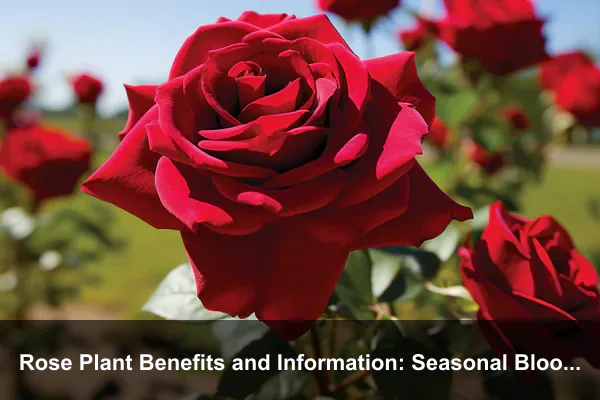
Rose plant benefits and information are often discussed through fragrance, color, romance, or basic care, but one of the most useful ways to understand roses is as a living seasonal calendar. A healthy rose bush does more than decorate a garden. It shows changes in light, temperature, soil moisture, insect activity, pruning timing, and bloom cycles in a way that helps gardeners make better decisions throughout the year.
This guide takes a unique, practical angle: using roses as observation plants. Instead of treating the rose as only a flower to admire, you can read its buds, leaves, stems, blooms, and hips as signals. That makes roses valuable for beginners, families, small home gardens, and anyone interested in plant benefits that support awareness, planning, and everyday gardening skill.
Why Roses Make Excellent Seasonal Indicator Plants
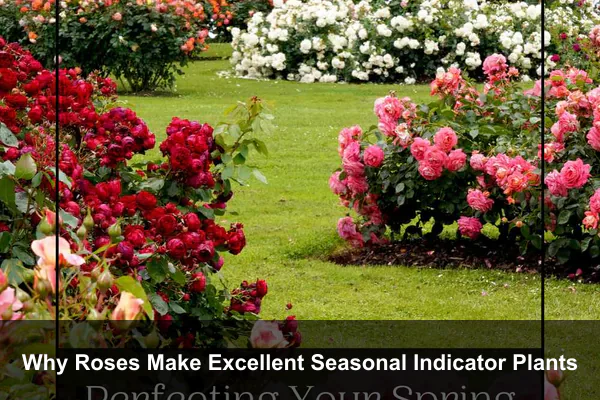
A rose plant responds visibly to the conditions around it. When days lengthen, buds swell. When soil becomes too dry, new growth slows. When nights are humid, leaves may show disease pressure. When pollinators are active, flowers become busy feeding stations. These visible responses make roses useful for gardeners who want to understand their local growing conditions without relying only on general calendars.
This is especially important because rose care changes by region. A pruning date that works in a mild coastal climate may be too early for a cold inland garden. A watering schedule for sandy soil may fail in clay soil. By observing the rose itself, you can adjust care based on what is actually happening in your garden.
Seasonal Signals You Can Read From a Rose
- Swelling buds: a sign that the plant is leaving dormancy and preparing for new growth.
- Red or bronze young leaves: normal early growth in many rose varieties, not always a problem.
- Fast soft shoots: a sign of active growth and a cue to monitor watering and pests.
- Small flower buds: a signal that feeding, staking, or light pruning may soon be useful.
- Yellowing lower leaves: often a clue to watering imbalance, old foliage, or reduced airflow.
- Rose hips: a sign the plant has completed flowering on those stems and is investing in fruit.
Key Rose Plant Benefits for Observation-Based Gardening
The benefits of roses are not limited to ornamental beauty. Their real value comes from how many garden lessons they reveal in one plant. A rose can teach timing, patience, soil awareness, pest recognition, pruning confidence, and seasonal rhythm.
They Build Better Garden Timing
Many gardeners struggle because they follow fixed dates rather than plant signals. Roses help correct that habit. When the plant begins to push strong new shoots, it is telling you that the growing season has started. When the first flush of flowers fades, it signals a good moment to deadhead repeat-blooming varieties. When growth slows in extreme heat, it reminds you not to overfeed a stressed plant.
Using roses this way makes gardening more accurate. You begin to work with the plant instead of forcing a routine onto it.
They Improve Daily Garden Awareness
Roses reward short, regular observation. A two-minute check can reveal aphids on new tips, dry soil, black spots on leaves, or buds opening earlier than expected. This habit helps prevent small issues from becoming major problems.
For home gardeners, this is one of the most practical rose plant benefits. A rose encourages you to slow down, look closely, and notice changes in the living landscape.
They Support Pollinator Learning
Single and semi-double roses are especially useful for observing bees and other beneficial insects because their flower centers are easier to access. Highly double roses can be beautiful, but they may offer less accessible pollen and nectar. Watching which flowers attract the most insect visits can help you choose better plants for a balanced garden.
A Seasonal Rose Observation Calendar
A rose calendar should not be treated as a strict rulebook. Think of it as a flexible framework. The exact timing depends on climate, variety, and local weather, but the sequence of plant signals is usually reliable.
Late Winter: Structure and Dormancy
Late winter is the season to study the rose framework. Before leaves cover the plant, you can see crossing stems, dead wood, weak canes, and overall shape. This is the best time to plan structural pruning for many roses, especially in regions where the worst freezing weather has passed.
Look for firm green or brown canes, swollen buds, and healthy graft unions if the rose is grafted. Remove clearly dead, damaged, or diseased wood with clean tools. Avoid heavy pruning too early in cold areas because a warm spell can trigger tender growth that may be damaged by frost.
Spring: Bud Break and First Growth
Spring is when the rose becomes a clear indicator of energy. New shoots show how much stored strength the plant has. If growth is vigorous and evenly distributed, the rose likely has enough light and root health. If growth is weak or one-sided, the plant may be shaded, root-bound, poorly pruned, or stressed by soil conditions.
This is also the season to watch for aphids on soft tips. A small number may not require strong action, especially if lady beetles, hoverflies, or other beneficial insects are present. Observation helps you avoid unnecessary spraying.
Early Summer: First Bloom Flush
The first major bloom flush is one of the clearest windows into rose performance. Note flower size, color intensity, stem strength, fragrance, and how long blooms last in your climate. Some roses open beautifully but fade quickly in heat. Others hold color longer or recover faster after rain.
After the first flush, repeat-blooming roses often benefit from deadheading. This redirects energy away from seed formation and toward new flowering shoots. However, if you want rose hips later, leave some spent flowers on selected stems.
Mid to Late Summer: Heat, Water, and Disease Clues
Summer reveals whether your rose is truly suited to its location. Leaves may scorch if the plant receives harsh afternoon sun in very hot climates. Buds may become smaller when heat is intense. Fungal leaf diseases may increase during humid weather or where airflow is poor.
Use summer observations to improve the garden rather than blaming the plant. Mulch can stabilize soil moisture. Morning watering can reduce leaf wetness at night. Wider spacing can improve airflow. Heat-tolerant varieties may be better choices for future planting.
Autumn: Hips, Hardening, and Reflection
Autumn is the time to let the rose slow down. Avoid pushing tender new growth with heavy fertilizer late in the season, especially in cold climates. Watch how stems mature and how leaves age. If your rose forms hips, they can add seasonal interest and provide another visible stage in the plant’s life cycle.
This is also the best time to review your notes. Which rose bloomed earliest? Which handled heat best? Which had the cleanest leaves? These answers help you choose future varieties more wisely.
How to Keep a Rose Garden Journal
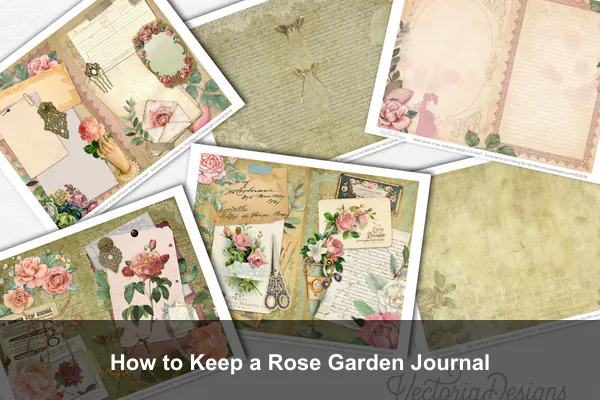
A simple journal turns rose care into a learning system. You do not need complicated records. A notebook, spreadsheet, or phone note can work. The goal is to connect plant signals with weather, care, and results.
What to Record
- Date of first new growth: helps predict the start of your local rose season.
- Date of first bud: shows how quickly the plant moves from growth to bloom.
- Date of first open flower: useful for planning garden events or cut flowers.
- Weather patterns: note heatwaves, long rain, drought, or frost.
- Pest sightings: record where and when aphids, mites, or beetles appear.
- Leaf condition: track black spot, mildew, yellowing, or clean growth.
- Care actions: include pruning, feeding, mulching, watering, and deadheading.
- Bloom quality: note fragrance, color, size, vase life, and repeat flowering.
A Simple Monthly Rose Checklist
- Take one clear photo from the same angle each month.
- Check new growth tips for pests or distortion.
- Look at lower leaves for early disease signs.
- Feel the soil below mulch before watering.
- Record bloom stage, from bud to fading flower.
- Write one sentence about what the plant seems to need next.
Over time, these small notes become more useful than generic advice. You will know how your rose behaves in your soil, in your light, and in your weather.
Choosing Roses for Learning, Beauty, and Practical Benefits
Not all roses behave the same way. Some are excellent for fragrance, some for disease resistance, some for hips, and some for repeat bloom. If your goal is observation-based gardening, choose roses that show clear seasonal changes and fit your maintenance style.
Best Rose Types for Beginners
Shrub roses are often good choices because many are vigorous, repeat blooming, and more forgiving than exhibition hybrid teas. Landscape roses can be useful where low maintenance is a priority. Old garden roses may offer strong fragrance and historical interest, although some bloom only once a year. Climbing roses are excellent for observing cane growth, training, and vertical garden structure.
For a learning garden, disease resistance matters. A rose that constantly struggles may teach problem solving, but it can also discourage beginners. Look for varieties known to perform well in your region.
Flower Form and Pollinator Access
Flower form affects both beauty and ecological value. Single roses have five petals and open centers. Semi-double roses have more petals but still show accessible centers. Fully double roses are lush and decorative, but some hide pollen and nectar.
If pollinator observation is one of your goals, include at least one single or semi-double rose. If fragrance and floral display are your priority, a double rose may be worth the extra care.
Reading Common Rose Problems Without Panic
Roses have a reputation for being difficult, but many problems are manageable when noticed early. The key is to interpret symptoms calmly. A single yellow leaf is not a disaster. A few aphids do not mean the whole plant is failing. Observation helps you respond proportionally.
Yellow Leaves
Yellow leaves can have several causes, including old foliage, overwatering, underwatering, nutrient imbalance, poor drainage, or disease. Look at the pattern. If only older lower leaves are yellowing while new growth is healthy, the plant may simply be shedding. If many leaves yellow at once, check soil moisture and drainage.
Black Spot and Leaf Diseases
Black spot appears as dark marks on leaves, often followed by yellowing and leaf drop. It is more common in humid conditions and where leaves stay wet. Remove fallen infected leaves, improve airflow, water at soil level, and choose resistant varieties when possible.
Aphids on New Growth
Aphids often cluster on tender shoots and buds. Before using sprays, check whether beneficial insects are present. A firm stream of water can dislodge many aphids. Healthy roses often tolerate light infestations without lasting damage.
Weak Blooming
Poor flowering may be caused by too much shade, incorrect pruning, low nutrients, immature plants, heat stress, or choosing a once-blooming variety and expecting repeat flowers. Track bloom timing before assuming something is wrong. Some roses naturally flower in cycles.
Rose Care Basics That Support Strong Seasonal Signals
To use roses as reliable indicator plants, keep them healthy enough to express clear growth patterns. Stressed plants can still teach you something, but basic care gives better results.
Light
Most roses prefer at least six hours of direct sun per day. Morning sun is especially helpful because it dries leaves early and can reduce disease pressure. In very hot climates, some afternoon shade may protect flowers from scorching.
Soil
Roses grow best in fertile, well-drained soil with organic matter. Heavy clay can be improved with compost and careful planting height. Sandy soil may need more organic matter and mulch to hold moisture. Avoid planting roses where water sits around the roots for long periods.
Watering
Deep, less frequent watering is usually better than shallow daily watering. Water at the base of the plant and avoid wetting leaves late in the day. Mulch helps reduce evaporation and keeps soil temperatures more stable.
Feeding
Feed roses during active growth, but avoid excessive fertilizer. Too much nitrogen can produce lush leaves with fewer flowers and softer growth that attracts pests. Slow, steady nutrition usually supports better long-term performance.
Pruning
Pruning depends on rose type. Remove dead, diseased, or damaged wood first. Then improve shape, airflow, and stem strength. For repeat bloomers, deadheading can encourage more flowers. For roses grown for hips, leave selected spent blooms in place.
Safe and Respectful Rose Use Around the Home
Roses are generally valued as ornamental plants, but thoughtful handling still matters. Thorns can scratch skin, so wear gloves when pruning or training stems. If you plan to use petals or hips, only harvest from plants that have not been treated with unsafe pesticides or chemicals.
Do not assume every rose product is suitable for everyone. Fragrant flowers, oils, teas, or skin preparations may bother sensitive people. When in doubt, treat roses as garden plants first and use edible or cosmetic parts only with proper identification and safe growing practices.
Designing a Small Rose Observation Corner
You do not need a large rose garden to enjoy these benefits. One well-placed rose in a container or border can become a seasonal study plant. The important thing is accessibility. Place it where you will naturally pass by, such as near a path, patio, kitchen door, or seating area.
What to Include Nearby
- A simple label: include variety name, planting date, and expected bloom habit.
- Mulch: keeps soil moisture more consistent and reduces weed competition.
- Companion plants: choose low-growing plants that do not crowd rose roots or block airflow.
- A small notebook or digital note: make observation easy and consistent.
- Good access: leave enough space for pruning, watering, and close inspection.
This kind of rose corner is useful for beginners because it keeps learning focused. Instead of managing many plants at once, you can study one rose closely and build confidence.
Conclusion
Rose plant benefits and information become more meaningful when you look beyond the flower. A rose is a seasonal teacher, a garden signal, a pollinator observation point, and a practical guide to local growing conditions. Its buds, leaves, blooms, stems, and hips all tell you something about timing, weather, care, and plant health.
By keeping simple notes and watching the plant through the year, you can turn rose growing into a smarter, calmer gardening routine. Whether you grow one container rose or several garden shrubs, the real benefit is not only the beauty of the bloom. It is the knowledge the plant gives you season after season.
