
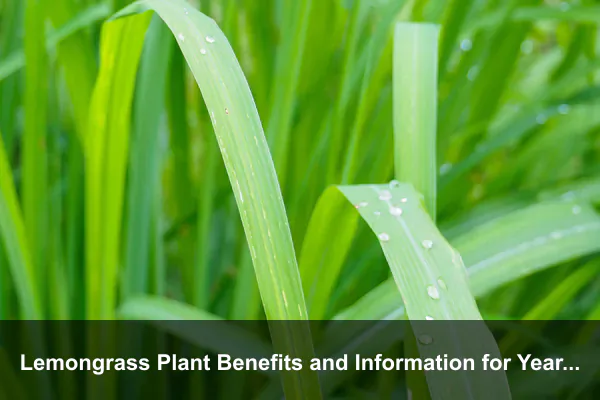
Lemongrass is more than a fragrant herb with a citrus scent. It is a warm-climate grass, a kitchen ingredient, a sensory garden plant, and a practical household crop that can fit into patios, balcony pots, raised beds, and tropical-style home gardens. When people search for lemongrass plant benefits and information, they often want a simple list of uses. A more useful approach is to understand how the plant grows, what parts are valuable, how to place it well, and how to keep it productive through the year.
This guide takes a planning-focused angle. Instead of treating lemongrass as a one-time herb purchase, it looks at lemongrass as a living plant system: roots that need room, stalks that store flavor, leaves that release aroma, and a clumping habit that can support both home cooking and garden function. With the right expectations, lemongrass can become one of the most rewarding herbal plants for people who want beauty, fragrance, and practical value from the same plant.
Known widely in Southeast Asian cooking and traditional home gardens, lemongrass is valued in many plant-benefit traditions for its fresh aroma, culinary versatility, and easy-growing nature. Its benefits are best enjoyed responsibly: as a flavorful herb, a refreshing garden plant, and a useful addition to daily routines, not as a substitute for medical care.
What Makes Lemongrass Valuable as a Living Herb
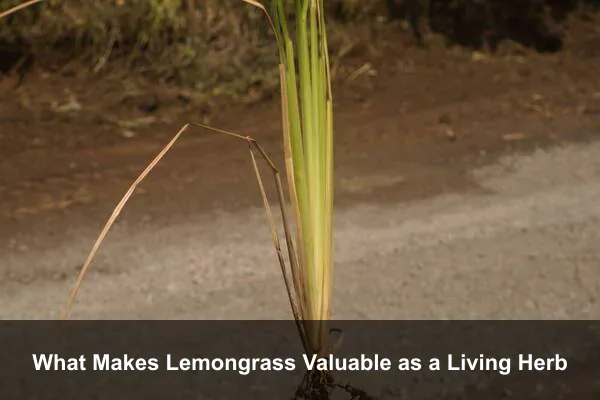
Lemongrass belongs to the genus Cymbopogon, with Cymbopogon citratus being one of the most common culinary types. It grows in dense clumps with long, narrow leaves and thick lower stems. The part most often used in cooking is the swollen base of the stalk, while the leaves are commonly used for aroma, tea-style infusions, steaming, and garden fragrance.
A Plant Built for Repeated Use
One major benefit of lemongrass is that it can be harvested repeatedly when the plant is healthy. Unlike herbs that quickly bolt, fade, or become bitter after flowering, lemongrass forms new shoots from the base. This makes it useful for people who want a steady home supply rather than a short harvest window.
The plant’s clumping growth also makes it easy to manage. It does not run underground like mint, so it is less likely to invade nearby beds. In warm regions, a mature clump can become large, but it usually expands outward in a predictable way. This makes lemongrass suitable for gardeners who want a bold herb without losing control of the planting area.
Useful Parts of the Plant
Understanding the different parts of lemongrass helps you use it better. Each part has a different texture, aroma strength, and household role.
- Lower stalks: Firm, aromatic, and commonly used in soups, curries, marinades, broths, and stir-fry pastes.
- Upper leaves: Strongly scented and useful for infusions, steaming, garden aroma, and natural craft projects.
- Roots: Important for regrowth, anchoring, and absorbing moisture in warm soil.
- Outer sheaths: Often too fibrous to eat directly but useful for flavoring liquids before being removed.
This whole-plant awareness prevents waste and helps you choose the right harvest method for the result you want.
Key Lemongrass Plant Benefits for Home and Garden
The benefits of lemongrass are practical, sensory, and ecological. It is not just a herb for recipes; it can improve how a garden feels, how a patio smells, and how a household uses fresh ingredients.
Culinary Freshness
Fresh lemongrass adds a bright lemon-like flavor without the sharp acidity of citrus juice. This makes it useful in dishes where you want fragrance more than sourness. It pairs well with ginger, garlic, chili, coconut milk, fish, chicken, tofu, rice, noodles, and vegetables. The stalks can be bruised and simmered whole, finely minced for pastes, or sliced thinly when young and tender.
For home cooks, the greatest advantage is immediacy. Store-bought stalks often dry out, while homegrown lemongrass can be cut just before cooking. Fresh harvest usually gives a cleaner aroma and better flavor release.
Sensory Comfort
Lemongrass leaves release a fresh, citrusy scent when brushed, cut, or crushed. This makes the plant useful near seating areas, kitchen doors, outdoor sinks, and herb paths. The aroma can make a garden feel cleaner and more refreshing, especially in humid climates.
The scent comes largely from aromatic compounds such as citral, but the living plant should not be confused with concentrated essential oil. A planted clump offers gentle aroma, while essential oil is highly concentrated and requires careful handling.
Garden Structure and Movement
Lemongrass has an upright, fountain-like shape that adds height and movement to herb gardens. Its narrow leaves soften hard edges around paths, containers, and raised beds. In tropical, subtropical, and warm-season gardens, it can act as a background plant behind lower herbs such as basil, parsley, chives, or oregano.
Because it looks ornamental while remaining edible, lemongrass is useful in gardens where space must do double duty. A single plant can serve as a visual accent, a cooking herb, and a fragrant border.
Beginner-Friendly Learning
Lemongrass teaches important gardening skills without being overly fragile. It responds clearly to sun, water, root space, and temperature. Yellowing leaves, thin stems, slow growth, or floppy clumps usually point to specific conditions that can be corrected. For beginner gardeners, this makes lemongrass a helpful plant for learning observation.
Choosing the Best Place for Lemongrass
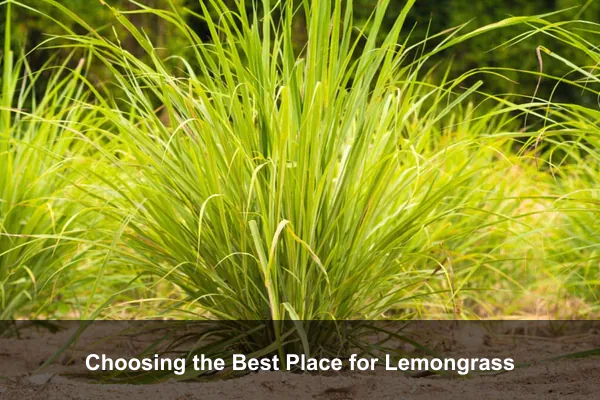
Good placement is one of the most important parts of lemongrass success. The plant is often described as easy, but it is easy only when its basic needs are respected. Lemongrass wants warmth, light, drainage, and enough room for its base to expand.
Light and Warmth
Lemongrass grows best with full sun. In most gardens, that means at least six hours of direct sunlight per day. More sun usually leads to stronger stalks and better clump density. In very hot climates, a little afternoon shade can reduce leaf scorching, but deep shade usually causes weak, floppy growth.
Temperature matters too. Lemongrass is a tropical or subtropical plant and dislikes frost. In cold regions, it can be grown as a warm-season annual or kept in a pot that moves indoors during winter. Indoor overwintering is possible, but growth often slows because light levels are lower.
Containers and Garden Beds
Lemongrass works well in large pots, but small containers restrict the plant quickly. A cramped root system leads to thinner stalks and faster drying. For container growing, choose a pot with drainage holes and enough width to support a widening clump.
In garden beds, place lemongrass where it will not crowd small herbs. Mature plants can become broad, so give them space from tender seedlings and low-growing vegetables. A sunny corner, the back of an herb bed, or the edge of a vegetable garden often works well.
Soil Conditions
The ideal soil is fertile, loose, and well drained. Lemongrass enjoys consistent moisture but does not like sitting in stagnant water. Heavy clay can be improved with compost and raised planting areas. Sandy soil may need more organic matter to hold moisture.
A simple soil goal is this: moist enough to support active growth, airy enough to prevent root stress. Mulch can help stabilize moisture, especially in hot areas, but keep thick mulch slightly away from the base to reduce rot risk.
A Year-Round Lemongrass Care Routine
A strong lemongrass plant comes from rhythm rather than complicated care. The plant’s needs change through the year, especially in places with rainy seasons, dry seasons, or cold winters. A seasonal plan helps prevent neglect and overcorrection.
Early Growth Stage
When planting young lemongrass or newly rooted stalks, focus on root establishment. Keep the soil evenly moist but not soaked. Avoid heavy harvesting during the first few weeks because the plant needs leaves to feed root growth.
During this stage, check that the plant is standing firmly and receiving enough light. If stems stretch or lean strongly, the site may be too shaded. If leaf tips brown while the soil is dry, watering may be too irregular.
Active Growing Season
During warm months, lemongrass grows quickly. This is the best time to feed lightly, water consistently, and harvest outer stalks. Compost, diluted organic fertilizer, or balanced slow-release fertilizer can support growth, especially in containers where nutrients wash out faster.
Do not remove the entire plant if you want continued production. Harvest mature outer stalks and leave the central shoots to keep growing. This method maintains the clump and encourages a steady supply.
Dry, Cool, or Dormant Periods
In cooler weather, lemongrass may slow down or look tired. Reduce feeding when growth slows. Water less often if the plant is not actively growing, but do not let container roots become completely dry for long periods.
In frost-prone climates, protect the plant before freezing temperatures arrive. Options include moving a pot indoors, taking divisions, rooting a few stalks as backup plants, or growing lemongrass as an annual and replanting when warm weather returns.
- Spring or warm-season start: Plant, divide, or repot lemongrass when temperatures are stable.
- Mid-season: Water deeply, feed moderately, and harvest mature outer stalks.
- Late season: Reduce heavy harvesting so the plant can maintain strength.
- Cold season: Protect from frost, reduce feeding, and manage watering carefully.
Harvesting Lemongrass for Better Quality
Harvesting lemongrass is not only about taking as much as possible. The best flavor comes from choosing the right stalks at the right time. Mature lower stems should feel firm and thick enough to use, while very young shoots may not have developed full aroma.
How to Harvest Stalks
Select outer stalks that are at least pencil-thick or thicker. Hold the stalk close to the base and twist gently, or cut it low with a clean knife. Remove tough outer layers before cooking. The pale inner base is usually the most tender and aromatic part.
Avoid cutting too many central shoots. The center is the plant’s growth engine, and repeated damage can weaken the clump. Taking mature outer stems keeps the plant productive while still giving you usable harvests.
Using Leaves Wisely
The leaves are fibrous, but they are not useless. They can be tied into bundles for simmering, used in herbal infusions, added to steaming water, or dried for later aromatic use. Always strain or remove tough pieces before serving because the leaf edges can be coarse.
For the cleanest flavor, harvest leaves that are green and healthy. Avoid leaves that are moldy, heavily browned, or exposed to chemical sprays. Wash leaves well before using them in food or drinks.
Storage and Freshness
Fresh stalks can be kept in the refrigerator for short-term use. For longer storage, they can be frozen whole, sliced, or minced. Freezing preserves more fresh aroma than long drying, although dried leaves remain useful for infusions and fragrant household uses.
Label stored lemongrass with the date. Herbs lose aroma over time, and old material may still look acceptable while tasting flat. A simple rotation habit keeps your kitchen supply more reliable.
Safe and Responsible Lemongrass Use
Lemongrass is widely used as a culinary herb, but responsible use matters. Food-level use is different from concentrated extracts, supplements, or essential oils. The safest approach is to enjoy lemongrass as part of normal meals and gentle home routines while respecting personal health conditions.
Food and Drink Use
In cooking, lemongrass is usually used in moderate amounts for flavor. Tough pieces are often removed before eating. If you are trying lemongrass tea or infused drinks for the first time, start with a mild preparation and see how your body responds.
People who are pregnant, nursing, taking medication, managing chronic health conditions, or preparing lemongrass for children should be cautious with concentrated forms and ask a qualified health professional when unsure.
Essential Oil Caution
Lemongrass essential oil is not the same as fresh leaves. It is concentrated and can irritate skin if used improperly. It should not be swallowed casually, applied undiluted, or used around sensitive people or pets without reliable guidance.
If fragrance is your goal, the living plant, fresh cut leaves, or mild dried leaf bundles are gentler choices than concentrated oil. This distinction is important for safe home use.
Pet and Household Awareness
Curious pets may chew grass-like plants. While a small nibble may not always cause serious trouble, lemongrass can upset some animals, and essential oil exposure is more concerning. Keep plants and oils out of reach if pets chew greenery.
Also consider leaf texture. Lemongrass leaves can have sharp edges, so place large clumps away from narrow walkways where people brush against them constantly.
Common Lemongrass Problems and What They Mean
Lemongrass usually communicates stress through leaf color, stem thickness, and growth speed. Reading these signs helps you fix the cause instead of guessing.
Yellow Leaves
Yellowing can come from overwatering, poor drainage, low nitrogen, old leaves, or cold stress. Check the whole plant before reacting. If only the oldest outer leaves are yellow, normal aging may be the reason. If the entire plant turns pale, review light, nutrients, and soil moisture.
Thin or Weak Stalks
Thin stalks often mean the plant needs more sun, more root room, or better nutrition. Container-grown lemongrass may become crowded after a season of strong growth. Repotting or dividing the clump can restore vigor.
Brown Tips
Brown tips may appear during dry weather, inconsistent watering, wind exposure, or container stress. Trim damaged tips if needed, but focus on improving conditions. Deep watering and mulch often help outdoor plants during hot periods.
Pests and Disease
Lemongrass is not usually pest-heavy, but stressed plants can attract problems. Check for mites, aphids, or fungal issues if growth looks distorted or leaves show unusual spotting. Good airflow, clean tools, proper spacing, and avoiding waterlogged soil reduce many problems.
Designing a Practical Lemongrass Planting Plan
Before planting, decide what role lemongrass will play. A plant grown mainly for cooking should be easy to access from the kitchen. A plant grown for garden structure can sit farther back in a border. A plant grown in a small space needs container planning from the beginning.
For Small Spaces
Choose one large container rather than several tiny pots. Place it where it receives strong light and where watering is convenient. A wheeled plant stand can help if the pot needs to move seasonally.
For Edible Gardens
Use lemongrass as a tall anchor at the edge or back of the bed. Pair it with lower herbs and vegetables that enjoy similar sun. Avoid planting it where it will shade small crops during peak growth.
For Sensory Paths
Plant lemongrass where leaves can release scent when touched lightly, but give the clump enough room so sharp leaf edges do not crowd the path. This creates fragrance without making movement uncomfortable.
Buying, Dividing, and Renewing Lemongrass
Healthy starting material makes a difference. When buying a plant, look for firm bases, green leaves, and signs of active growth. Avoid plants with sour-smelling soil, mushy stems, or severe yellowing.
Lemongrass can often be divided when the clump becomes crowded. Division renews the plant and gives you extra starts for new containers or garden areas. Use a clean, sharp tool, keep divisions with roots attached, and replant promptly into prepared soil.
Some gardeners also root fresh market stalks in water before planting. This can work when stalks are fresh and have enough base tissue. Once roots appear, move the stalk into soil rather than keeping it in water too long. Soil growth builds a stronger long-term plant.
Conclusion: Lemongrass as a Useful, Beautiful, and Manageable Herb
Lemongrass earns its place in the home garden because it combines flavor, fragrance, structure, and repeat harvests in one plant. The most important lemongrass plant benefits and information are not limited to a list of uses. They include knowing where to plant it, how to read its growth, when to harvest, and how to use each part safely and thoughtfully.
For gardeners who want a practical herbal plant with strong visual presence, lemongrass is an excellent choice. Give it sun, warmth, drainage, and enough room, and it can reward you with aromatic leaves, flavorful stalks, and a refreshing presence in the garden throughout the growing season.
