
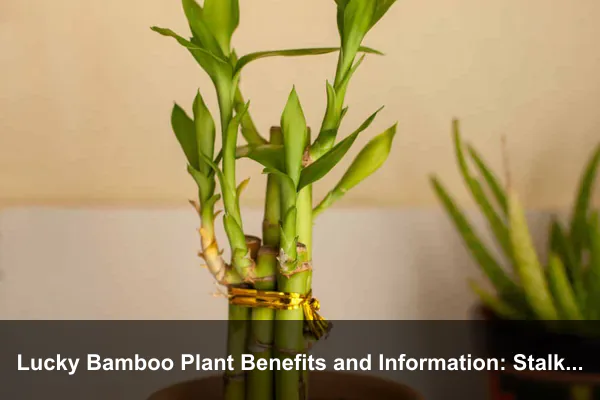
Lucky Bamboo is one of the most recognizable indoor plants because it looks orderly, grows in compact spaces, and can live beautifully in either water or soil. For readers searching for Lucky Bamboo plant benefits and information, the most useful answer goes beyond luck, decor, or basic watering. This plant is valuable because its structure, stalk arrangement, container setup, and slow growth make it unusually adaptable for modern homes.
This guide takes a practical design-and-botany angle. Instead of repeating the same general care advice, it explains what Lucky Bamboo actually is, how stalk numbers and shapes influence display choices, which containers support healthier growth, and how to enjoy its benefits without exaggerating claims about air purification or wellness. The result is a grounded, SEO-friendly guide for anyone who wants a cleaner, calmer, and more intentional indoor plant routine.
What Lucky Bamboo Really Is
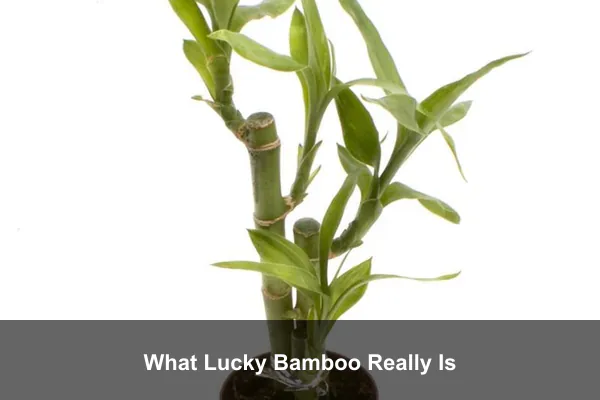
Lucky Bamboo is commonly sold as bamboo, but botanically it is not a true bamboo at all. It is usually Dracaena sanderiana, a tropical plant related to other dracaenas used as indoor ornamentals. True bamboo belongs to the grass family and often grows in woody culms, while Lucky Bamboo grows from cane-like stems with nodes, leafy tops, and roots that adapt well to moist conditions.
This identity matters because it changes how the plant should be understood. Lucky Bamboo does not need the outdoor conditions that many bamboo species prefer. It does not spread through aggressive rhizomes in a home container, and it does not behave like a garden bamboo hedge. Its value is indoor adaptability, not rapid landscape growth.
Why the Cane Structure Is Useful
The upright canes make Lucky Bamboo easy to arrange in narrow jars, ceramic cylinders, glass bowls, or small tabletop planters. Unlike broad, sprawling foliage plants, it keeps a vertical shape. This makes it useful for shelves, desks, reception counters, prayer corners, apartment windowsills, and small rooms where horizontal space is limited.
The nodes along the stalks also create a natural rhythm. Even a simple three-stalk arrangement looks intentional because the plant already has a built-in architectural pattern. This is one reason Lucky Bamboo feels decorative even before it becomes large or lush.
Why It Is Popular in Plant Benefit Culture
In many plant-benefit traditions, including Southeast Asian home gardening culture, plants are valued for more than appearance. People often choose plants for calmness, cleaner-looking rooms, symbolic meaning, low-maintenance beauty, and daily care rituals. Lucky Bamboo fits that context well because it is small, neat, affordable, and easy to place where people see it often.
Lucky Bamboo Plant Benefits and Information for Daily Living
The main benefits of Lucky Bamboo are practical, visual, and emotional. It is not a miracle plant, and it should not be promoted as a substitute for ventilation, medical treatment, or professional air-quality control. However, it can improve the way a room feels and support healthier daily habits around light, cleanliness, and mindful care.
A Compact Green Focus Point
Lucky Bamboo gives a room a green focal point without demanding much space. A single stalk can soften a hard desk surface. A grouped arrangement can add height to a console table. A spiral form can act like a living sculpture. Because the plant has a clean outline, it works especially well in minimalist, modern, traditional, and tropical-inspired interiors.
Low-Mess Indoor Greenery
Many people want indoor plants but dislike spilled soil, heavy pots, or frequent repotting. Lucky Bamboo can be grown in water with clean pebbles for support, which makes it appealing for renters, office workers, and people who prefer tidy surfaces. Soil-grown Lucky Bamboo is also possible, but water culture remains one of the reasons it is so widely loved.
A Gentle Care Routine
Plant care can be a small daily anchor. Checking the water level, turning the container toward indirect light, removing yellow leaves, and rinsing stones can become simple routines that make a person more attentive to their surroundings. This is a real benefit, but it is best described as a lifestyle benefit rather than a guaranteed health outcome.
Decorative Flexibility
Lucky Bamboo can suit many rooms because it is easy to scale. A tiny one-stalk cutting can fit on a small shelf, while a layered tower of multiple stalks can fill a larger corner. The same plant can look casual, elegant, symbolic, or architectural depending on the container and arrangement.
- For desks: choose one to three upright stalks in a narrow container.
- For entry tables: use a balanced five-stalk or seven-stalk arrangement.
- For calm bedrooms: keep the container simple and avoid crowded displays.
- For bright living rooms: place it near filtered light, not direct harsh sun.
Stalk Numbers, Shapes, and Meaning Without Overcomplication
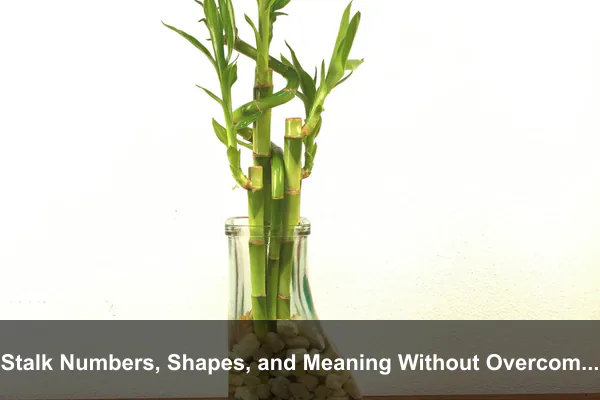
One distinctive feature of Lucky Bamboo is that people often buy it by stalk number. The number of canes can carry symbolic meaning, but it can also serve a design purpose. A single stalk feels minimal. Three stalks create a classic triangular balance. Five or more stalks look fuller and more formal.
Common Stalk Number Meanings
Different sellers and traditions may interpret stalk numbers slightly differently, but several meanings are widely used. These meanings are best treated as cultural symbolism, not fixed rules.
- One stalk: simplicity, focus, and steady growth.
- Two stalks: partnership, harmony, or balanced relationships.
- Three stalks: happiness, longevity, and good fortune in many common interpretations.
- Five stalks: balance across major areas of life.
- Seven stalks: wellness, renewal, or thoughtful intention.
- Eight stalks: growth, abundance, and forward movement.
- Nine stalks: completeness, fullness, or broad good fortune.
The important point is to choose a number that fits your space and care capacity. A dense arrangement can look impressive, but it also needs a container wide enough to keep the stalks stable and water fresh. If the container is too crowded, airflow is reduced and decaying leaves are easier to miss.
Straight, Spiral, Braided, and Tiered Forms
Lucky Bamboo is often trained into spirals, curls, braids, hearts, lattices, and tiered towers. These shapes are usually created by controlling light direction and guiding new growth over time. Once you bring the plant home, the existing shape may remain, but new leaves and shoots will grow according to the light they receive.
For long-term success, avoid buying arrangements that are tied too tightly. Decorative wire, ribbon, or plastic bands can press into growing stems. If the tie is only decorative and loose, it is usually fine. If it cuts into the cane, replace it with a softer support or remove it carefully.
Container Choices That Support Healthy Growth
The container is not just decoration. It affects stability, oxygen, water cleanliness, root health, and the overall look of the plant. The best container for Lucky Bamboo depends on whether you want to grow it in water, soil, or a semi-hydro style with stones and shallow water.
Glass Containers
Glass is popular because it lets you see the roots and water level. This makes it easier to notice cloudy water, algae, or root discoloration. The downside is that clear glass allows more light into the water, which can encourage algae growth if the plant sits near bright windows.
If you prefer glass, clean it regularly and keep it in indirect light. Use smooth pebbles or glass stones to support the stalks, but do not pack them so tightly that roots cannot spread.
Ceramic and Opaque Containers
Ceramic containers hide algae and give the arrangement a calmer, more finished look. They are useful for formal rooms, offices, and spaces where visible roots may feel too busy. Because you cannot see the water as easily, you need a consistent schedule for checking water depth and freshness.
Soil Pots
Lucky Bamboo can grow well in soil if the mix drains properly and stays lightly moist. A small pot with drainage holes is better than a decorative pot with trapped water. Soil-grown plants often become stronger over time because the roots can access oxygen and nutrients more naturally.
Use a loose indoor potting mix and avoid heavy garden soil. The goal is steady moisture, not a soggy root zone. If the pot sits inside a decorative cachepot, empty excess water after watering.
Stones, Pebbles, and Anchors
Stones are useful for water-grown Lucky Bamboo, but they should be clean, smooth, and large enough not to compact around the roots. Rinse stones before use and during water changes. Avoid painted stones if the coating may peel into the water.
- Choose a stable container that will not tip when the stalks grow taller.
- Add rinsed pebbles around the base for support.
- Pour in enough water to cover the roots, not the full stalk.
- Leave the upper cane dry to reduce the risk of rot.
- Refresh the water before it becomes cloudy or smells stale.
Light, Water, and Nutrients as a Simple System
Lucky Bamboo care is easiest when light, water, and nutrients are treated as one connected system. Problems often appear when one part is too strong. Too much direct sun can scorch leaves. Too much fertilizer can yellow the plant. Too much stagnant water can soften roots and stalks.
Best Light for Healthy Leaves
Lucky Bamboo prefers bright, indirect light. Near a window with filtered light is usually ideal. Direct afternoon sun can burn the leaves, especially in hot climates or rooms with glass that intensifies heat. In low light, the plant may survive but grow slowly, stretch toward the light, or produce smaller leaves.
A simple test is to observe the leaves. Healthy leaves are usually green, firm, and upright. Pale growth may suggest weak light. Dry brown patches may suggest sunburn, dry air, or mineral stress. Rotate the container occasionally so the plant does not lean too far in one direction.
Water Quality Matters
Water-grown Lucky Bamboo is sensitive to poor water quality. If tap water is heavily chlorinated or high in minerals, leaf tips may brown over time. Letting tap water sit out overnight can help some chlorine dissipate, but it will not remove all minerals. Filtered water, rainwater from a clean collection system, or distilled water can be useful if your plant repeatedly develops brown tips.
Keep the water level focused on the roots. Submerging too much of the cane can encourage soft spots. Replace water regularly, rinse the container, and remove any fallen leaves before they decompose.
Fertilizer Should Be Light
Lucky Bamboo does not need heavy feeding. In water, use a very diluted liquid houseplant fertilizer only occasionally. Too much fertilizer is a common cause of yellowing. Soil-grown plants can receive a weak balanced fertilizer during active growth, but the schedule should still be modest.
If you are unsure, feed less. A slow-growing Lucky Bamboo in clean water with good light often looks better than one pushed with frequent fertilizer.
Reading Plant Signals Before Problems Spread
One of the best skills in Lucky Bamboo care is learning to read small signals. The plant usually gives warning signs before it fails completely. Responding early protects both the appearance and the long-term health of the arrangement.
Yellow Leaves
Yellow leaves can come from age, harsh sun, fertilizer burn, poor water quality, cold drafts, or sudden environmental change. One old yellow leaf is not an emergency. Several yellowing leaves at once mean you should check light exposure, water freshness, and recent feeding.
Yellow Stalks
A yellow stalk is more serious than a yellow leaf. It can signal internal decline, rot, stress, or damage. If one stalk in a group turns yellow and soft, remove it from the arrangement so the problem does not affect nearby stems. Clean the container before placing healthy stalks back inside.
Soft or Mushy Bases
A soft base usually means rot. This often happens when the cane is submerged too deeply, the water is dirty, or the container has poor airflow around the roots. Healthy stalks should feel firm. If the lower part is mushy, the damaged section may not recover.
Brown Leaf Tips
Brown tips are usually linked to water minerals, dry air, fertilizer excess, or inconsistent care. Trim only the brown part with clean scissors if needed, following the natural leaf shape. More importantly, correct the cause so new leaves grow cleanly.
Safety, Sustainability, and Responsible Home Use
Lucky Bamboo is attractive and easy to keep, but it still needs responsible placement. It is generally grown as an ornamental plant, not an edible plant. Keep it away from pets that chew leaves and from young children who may pull stalks from water-filled containers.
Pet and Child Safety
As a dracaena, Lucky Bamboo can be irritating or harmful if cats or dogs chew and ingest it. Symptoms may include vomiting, drooling, appetite changes, or stomach upset. If you share a home with curious pets, place the plant on a high shelf, inside a closed display area, or choose a different pet-safe plant.
For homes with children, use stable containers that are difficult to tip. Avoid small decorative stones if they may be handled by toddlers. The safest display is simple, sturdy, and easy to supervise.
Low-Waste Plant Habits
Lucky Bamboo can support a low-waste indoor plant routine because it lives for years with modest inputs when cared for correctly. Instead of replacing yellowing arrangements frequently, focus on clean water, better light, and suitable containers. Reuse pebbles after washing them, choose durable pots, and avoid excessive plastic wrapping when buying new plants.
Ethical Buying Tips
Look for firm green stalks, clean roots, and leaves without large brown patches. Avoid arrangements with sour-smelling water, slimy roots, or stalks that are already yellow at the base. If the plant is wrapped tightly in decorative bands, check whether the ties can be loosened as the stems grow.
Best Places to Use Lucky Bamboo Indoors
Lucky Bamboo works best where it can be seen, cared for, and protected from extremes. It should not be placed in hot direct sun, beside strong air-conditioning, near heating vents, or in dark corners where growth becomes weak.
Entry Areas
An entry table is a classic location because the upright shape creates a welcoming signal without taking up much surface space. Choose a heavy container if the arrangement is tall.
Work and Study Areas
On a desk, Lucky Bamboo offers a small visual pause. It is not distracting, does not shed much, and can be kept in a narrow footprint. A one-stalk or three-stalk design is usually enough for a compact workspace.
Kitchens and Utility Corners
In bright kitchens, Lucky Bamboo can add greenery without soil mess. Keep it away from hot stoves, grease, and direct sun through glass. Refresh the water often because kitchen air may carry more residue.
Conclusion
Lucky Bamboo plant benefits and information are most useful when they are practical, accurate, and realistic. This plant offers compact beauty, symbolic value, low-mess greenery, flexible display options, and a simple care routine that fits many indoor spaces. Its real strength is not magic, but adaptability.
By understanding that Lucky Bamboo is a dracaena, choosing the right stalk arrangement, using a stable container, providing bright indirect light, and keeping water clean, you can enjoy a healthier and longer-lasting plant. Whether you grow one straight stalk or a carefully arranged group, Lucky Bamboo brings quiet structure and natural freshness to the home.
