
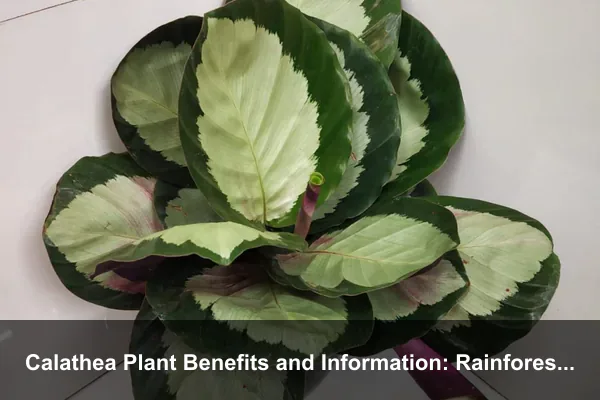
Calathea is one of the most recognizable foliage plants for indoor spaces, loved for leaves that look hand-painted with stripes, flames, ovals, feathers, and deep color contrasts. When people search for Calathea plant benefits and information, they often want more than a simple care chart. They want to know why this plant is popular, what it realistically adds to a home, how to keep it healthy, and which claims about it are useful or exaggerated.
This guide takes a slightly different angle from the usual houseplant overview. Instead of treating Calathea as just another decorative indoor plant, it explains the plant through its rainforest background, daily behavior, realistic home benefits, and practical care myths. Understanding where Calathea comes from makes its needs easier to remember: filtered light, steady moisture, warm rooms, and gentle handling all make sense when you see it as an understory plant adapted to sheltered tropical environments.
Calathea is not the easiest beginner plant, but it is also not impossible. It rewards consistency more than perfection. With the right placement, water habits, humidity support, and expectations, Calathea can become a long-lasting indoor plant that brings texture, movement, and a calmer natural feeling into the home.
What Is a Calathea Plant?
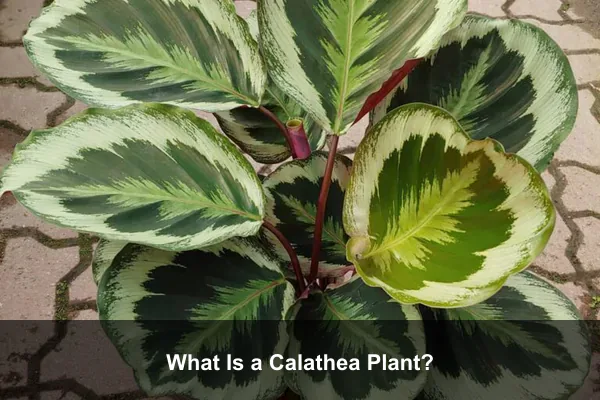
Calathea is a group of tropical foliage plants known for ornamental leaves rather than showy flowers. Many plants still sold as Calathea have been reclassified botanically into the genus Goeppertia, but the name Calathea remains widely used in nurseries, plant shops, and home gardening content. For everyday plant care, the common name is still useful because it points to a familiar group of plants with similar indoor needs.
These plants belong to the prayer plant family, Marantaceae. This family includes Calathea, Maranta, Ctenanthe, and Stromanthe. They are often grouped together because many have decorative foliage, prefer indirect light, and show daily leaf movement. Calathea leaves may rise, lower, fold, or shift angle depending on light and time of day, which gives the plant a living, responsive quality.
Rainforest understory roots
In nature, Calathea plants grow under taller trees where direct sun is softened by a canopy. This explains why they dislike harsh sunlight indoors. Their broad leaves are designed to capture available light in shaded environments, not to tolerate intense afternoon rays through a hot window.
The rainforest origin also explains why Calathea prefers stable moisture and humidity. It is not a desert plant, a succulent, or a plant that enjoys drying completely for long periods. At the same time, it is not an aquatic plant. The best care imitates a moist but airy forest floor: damp enough to support roots, loose enough to prevent suffocation.
Why Calathea leaves look so distinctive
Calathea leaves are prized for strong patterning. Some varieties have pink lines, dark green bands, silver brush marks, purple undersides, or feather-like markings. These patterns make the plant valuable in interior design because it adds visual detail even when it is not flowering.
Popular Calathea types and close relatives include:
- Calathea ornata, often called pinstripe plant, with fine pink or white lines.
- Calathea makoyana, known as peacock plant, with translucent patterned foliage.
- Calathea lancifolia, often called rattlesnake plant, with long wavy leaves and dark spots.
- Calathea roseopicta, admired for rounded leaves and dramatic central markings.
- Calathea orbifolia, known for broad leaves with soft silver-green bands.
Realistic Calathea Plant Benefits for the Home
The benefits of Calathea are strongest when they are described honestly. It is a beautiful indoor plant, a helpful design element, a safe choice for many pet households, and a plant that encourages better attention to indoor conditions. However, it should not be marketed as a miracle health cure or a replacement for ventilation, cleaning, or medical care.
Decorative value without flowers
One major benefit of Calathea is that it provides strong ornamental impact through foliage alone. Many houseplants rely on height, trailing growth, or flowers for visual interest. Calathea creates interest through pattern, color, and leaf movement. This makes it useful in homes where floral plants are difficult to maintain or where the owner wants greenery that looks refined all year.
Because Calathea leaves often include multiple colors, the plant can connect different design elements in a room. A plant with deep green, pale silver, and burgundy tones can soften neutral interiors, add contrast to wood furniture, or brighten a quiet reading corner without needing bright flowers.
A non-toxic foliage option for many homes
Calathea is commonly listed as non-toxic to cats and dogs by major pet safety references, which makes it appealing for households that avoid toxic ornamental plants. This does not mean pets should be encouraged to chew it. Eating leaves can still cause stomach upset simply because plant material is not ideal pet food. But compared with plants such as lilies or some aroids, Calathea is often chosen as a safer decorative option.
For families, this benefit is practical. A plant can be beautiful, placed in visible areas, and still fit a more cautious home environment. Owners should still use common sense: keep plants stable, avoid chemical leaf shine, and place pots where children or pets cannot pull them over.
Better awareness of indoor comfort
Calathea can act as a gentle reminder of indoor comfort conditions. Brown edges, curling leaves, or sudden drooping often point to dry air, inconsistent watering, harsh light, or cold drafts. While the plant is not a scientific measuring device, it can make people more aware of the environment they live in.
This is one of the most underrated Calathea benefits. The plant encourages a steady routine: checking soil, noticing light changes, avoiding dry air from air conditioning, and keeping rooms more stable. In the broader niche of manfaat tanaman, this kind of benefit matters because plants are not only decorative objects; they can shape healthier daily habits around the home.
Softening indoor spaces
Calathea has a softer appearance than spiky or rigid plants. The leaves are broad, curved, and often slightly moving. This makes it useful in bedrooms, work corners, meditation areas, and living rooms where the goal is to reduce visual harshness. A Calathea near a reading chair or side table can make a room feel more grounded without taking over the space.
Calathea Care Myths That Need Clear Answers
Many people struggle with Calathea because they follow oversimplified advice. The plant is often described as either extremely difficult or extremely easy. Neither is fully accurate. Calathea has specific preferences, and once those preferences are understood, care becomes more predictable.
Myth 1: Calathea needs constant watering
Calathea likes evenly moist soil, but constant watering can damage the roots. The goal is not to keep the pot wet at all times. The goal is to avoid extreme drying while still allowing air to reach the roots.
A useful method is to check the top layer of soil. Water when the upper part begins to feel slightly dry, while the lower root zone still holds light moisture. If the soil is soggy, heavy, or smells unpleasant, watering is too frequent or the potting mix is not draining well.
Myth 2: Calathea is a low-light plant
Calathea can tolerate lower light than many sun-loving plants, but it still needs enough brightness to grow. A dark corner far from a window may keep the plant alive for a while, but growth usually slows, colors may fade, and the plant becomes weaker over time.
The best light is bright, indirect light. This can be near an east-facing window, a few feet from a bright filtered window, or behind a sheer curtain. Direct afternoon sun can scorch the leaves, while very dim light can reduce vigor.
Myth 3: Brown edges always mean the plant is dying
Brown leaf edges are common on Calathea, especially in dry homes or areas with mineral-heavy water. A few crispy tips do not mean the plant is beyond saving. They are signals to review humidity, watering consistency, water quality, and airflow.
Instead of removing the whole plant or overcorrecting with heavy watering, look for patterns. If only old leaves have slight browning, it may be normal aging. If many new leaves emerge damaged, the growing conditions need adjustment.
Myth 4: Misting solves humidity problems
Misting can briefly wet the leaf surface, but it does not reliably raise room humidity for long. In some homes, frequent misting may even increase the risk of leaf spotting if air circulation is poor. Better options include grouping plants, using a humidity tray with pebbles, placing the plant in a naturally more humid room, or using a small humidifier.
How to Care for Calathea Indoors

Good Calathea care is based on consistency. The plant responds poorly to extremes: intense sun, complete drought, waterlogged soil, cold air, and sudden relocation. A stable position and a repeatable routine are more valuable than complicated tricks.
Light requirements
Place Calathea in bright, indirect light. If the leaves look faded or washed out, the plant may be receiving too much direct sun. If growth becomes slow and new leaves are small, the room may be too dim. Rotate the pot occasionally so growth stays balanced, but avoid moving it from one extreme location to another.
Watering rhythm
Water Calathea when the top layer of soil begins to dry. Use room-temperature water when possible. Very cold water can stress tropical roots, especially during cooler months. Water thoroughly until excess drains out, then empty the saucer so the roots do not sit in standing water.
A simple watering checklist helps prevent common mistakes:
- Check soil moisture before watering instead of watering by calendar only.
- Use a pot with drainage holes.
- Water deeply, not with tiny surface splashes.
- Empty extra water from the saucer after watering.
- Reduce watering slightly during cooler, darker periods.
Humidity and temperature
Calathea grows best in warm, moderately humid rooms. Aim to keep it away from cold drafts, heating vents, and strong air conditioner flow. Dry moving air is one of the fastest ways to create crispy edges.
If your home is dry, raise humidity in practical ways. Grouping plants together can create a small humid zone. A pebble tray may help around the pot, as long as the pot is not sitting directly in water. A humidifier is the most reliable option for very dry rooms.
Soil and potting mix
Calathea prefers soil that holds some moisture but drains well. A dense mix that stays wet for many days can cause root problems. A very loose mix that dries too quickly can create stress. A balanced houseplant mix amended with materials such as coco coir, perlite, fine bark, or composted material can work well.
The ideal mix should feel airy, not muddy. When watered, it should absorb moisture evenly and then release excess water through the drainage holes. If water sits on the surface for a long time, the mix may be compacted.
Fertilizing
Feed lightly during active growth, usually spring and summer. Use a balanced houseplant fertilizer at a diluted strength. Too much fertilizer can burn roots and worsen brown tips, especially if salts build up in the soil. During low-growth periods, reduce or pause feeding.
Best Places to Put Calathea in the Home
Placement can determine whether Calathea thrives or struggles. The best location gives the plant filtered light, stable warmth, and protection from drying airflow. It should also be visible enough that you notice changes before problems become severe.
Living room
A living room with bright indirect light can be ideal. Place Calathea near a window with filtered light or beside furniture where it receives brightness without direct sun. Its patterned leaves work well near simple decor because the plant itself adds detail.
Bedroom
Calathea can suit bedrooms because it has a calm, soft appearance. It is especially effective on a plant stand, dresser, or low shelf where the foliage can be seen at eye level. Avoid placing it directly beside an air conditioner or heater.
Bathroom with natural light
A bathroom can be excellent if it has a window. The naturally higher humidity may support healthier leaves. However, a windowless bathroom is usually too dark unless a grow light is used.
Home office
In a home office, Calathea adds visual relief from screens and hard surfaces. It is best placed where it can be seen without blocking work tools. A compact variety may be better for desks, while larger types such as orbifolia need floor or stand space.
Common Calathea Problems and What They Mean
Calathea problems are usually messages about the growing environment. The plant reacts visibly, which can feel frustrating, but those signs are useful once you learn how to read them.
Curling leaves
Curling leaves often suggest thirst, dry air, cold stress, or too much light. Check the soil first. If it is dry, water thoroughly. If the soil is moist but leaves are curling, look at humidity, drafts, and sun exposure.
Yellow leaves
Yellow leaves can come from overwatering, poor drainage, aging foliage, or stress after relocation. If several lower leaves yellow while the soil stays wet, inspect the roots and potting mix. If only one old leaf yellows occasionally, it may simply be natural replacement.
Brown edges
Brown edges are commonly linked to dry air, inconsistent watering, mineral buildup, or fertilizer excess. Trim damaged edges only for appearance, using clean scissors. Trimming does not fix the cause, so adjust the environment too.
Drooping after repotting
Calathea may droop after repotting because the roots have been disturbed. Keep conditions stable and avoid fertilizing immediately. Choose a pot only slightly larger than the previous one because an oversized pot can hold too much moisture.
Choosing the Right Calathea for Your Lifestyle
Not every Calathea fits every home. Some types are more tolerant than others, and some need more space. Choosing wisely can prevent disappointment.
For smaller spaces
Compact types such as rattlesnake plant or certain roseopicta varieties can work well in apartments, shelves, and side tables. They provide strong leaf patterns without becoming too wide too quickly.
For bold interior impact
Calathea orbifolia and similar broad-leaved plants create a strong statement. They need more room, stable humidity, and careful placement because large leaves show damage more visibly.
For plant owners who like observation
If you enjoy checking leaves, adjusting placement, and learning from plant signals, Calathea can be satisfying. If you prefer plants that tolerate weeks of neglect, a ZZ plant or snake plant may fit better.
Calathea Safety, Sustainability, and Buying Tips
Responsible plant ownership includes more than keeping the plant alive. It also means buying healthy plants, using safe products, and avoiding unnecessary waste.
How to choose a healthy plant
When buying Calathea, inspect the leaves and soil carefully. A few minor imperfections are normal, but avoid plants with widespread yellowing, mushy stems, pests, or sour-smelling soil.
Before purchasing, check for:
- Firm leaves with clear color and no widespread collapse.
- No webbing, sticky residue, or moving pests under leaves.
- Soil that is moist but not foul or waterlogged.
- Roots that are not severely circling out of the pot.
- New growth, which often signals active health.
Low-waste care habits
Calathea care can be made more sustainable by reusing nursery pots as cachepot liners, choosing durable ceramic or terracotta cover pots, and refreshing soil only when needed. Avoid buying many products to solve one issue. Often, better placement and watering habits do more than expensive additives.
Leaf cleaning without harsh products
Dust can reduce the beauty of Calathea leaves. Wipe leaves gently with a damp soft cloth. Avoid commercial leaf shine products because they may clog leaf surfaces or leave residue. Clean leaves also make it easier to spot pests early.
Frequently Asked Questions About Calathea Plant Benefits and Information
Is Calathea good for beginners?
Calathea can be grown by beginners who are willing to observe and adjust. It is less forgiving than some low-maintenance plants, but it teaches useful indoor gardening skills such as moisture checking, light assessment, and humidity management.
Does Calathea purify the air?
Like many plants, Calathea participates in natural plant processes, but it should not be relied on as a major air purifier in a normal home. Its strongest benefits are decorative, emotional, educational, and environmental awareness. Good ventilation and regular cleaning remain more important for indoor air quality.
How often should I water Calathea?
Watering frequency depends on pot size, soil mix, temperature, humidity, and light. Instead of following a fixed schedule, check the soil. Water when the top portion begins to dry but before the plant becomes severely wilted.
Why does my Calathea move?
Calathea leaves can move in response to light and daily rhythms. This movement is one reason the plant feels lively indoors. It is normal for leaves to shift position between day and night.
Can Calathea grow in water only?
Calathea is best grown in a suitable potting mix, not permanently in water. While cuttings or divisions may be handled temporarily during propagation, long-term growth usually needs roots supported by an airy, moisture-retentive medium.
Conclusion
Calathea plant benefits and information are best understood through the plant’s tropical background. Its beauty comes from patterned foliage, soft movement, and the ability to bring a refined natural detail into indoor spaces. Its care needs are not random; they reflect a rainforest understory plant that prefers filtered light, steady moisture, warmth, and moderate humidity.
For the right home, Calathea offers more than decoration. It encourages careful observation, improves the feeling of indoor spaces, and provides a non-toxic foliage option for many pet-conscious households. The key is to avoid exaggerated claims and focus on realistic value. Give Calathea stable conditions, read its leaf signals, and it can become one of the most expressive and rewarding houseplants in your collection.
