
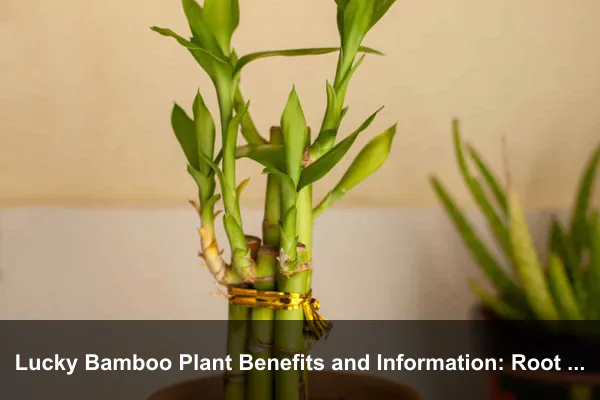
Lucky Bamboo is one of the easiest indoor plants to recognize, yet it is often misunderstood. Despite its common name, it is not a true bamboo at all. It is usually Dracaena sanderiana, a tropical foliage plant that can live in clean water or well-draining soil. This makes it popular for homes, apartments, desks, shelves, and low-mess indoor corners where people want greenery without complicated gardening.
This guide looks at Lucky Bamboo plant benefits and information from a fresh, practical angle: healthy roots, clean water, realistic indoor value, and sustainable long-term care. Instead of treating the plant as a quick decoration, it explains how to keep it strong, how to read its signals, and how to enjoy its benefits responsibly.
What Lucky Bamboo Really Is
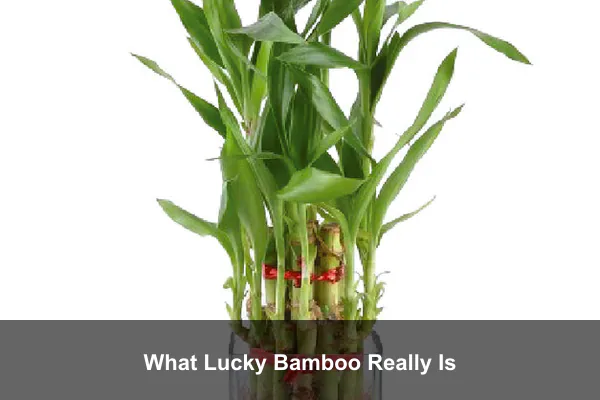
Lucky Bamboo belongs to the Dracaena group, not the bamboo family. True bamboo is a fast-growing grass with hollow stems, while Lucky Bamboo has solid, cane-like stems, leafy shoots, and a slower indoor growth habit. This difference matters because its care needs are closer to other dracaena plants than outdoor bamboo.
Most Lucky Bamboo is sold as straight stalks, braided groups, spirals, or tiered arrangements. The shape is usually created by growers over time using controlled light direction and careful training. Once the plant reaches your home, the main goal is not to force dramatic new shapes, but to protect the roots, leaves, and stems from stress.
Why the Name Still Makes Sense
The word bamboo remains useful because the plant has a clean, upright look that resembles small bamboo canes. In many homes, especially where ornamental plants are used for atmosphere and meaning, Lucky Bamboo represents resilience, simple growth, and calm indoor energy. These symbolic benefits are part of its appeal, but the plant also has practical everyday value.
Practical Benefits of Lucky Bamboo Indoors
The most reliable Lucky Bamboo plant benefits are not exaggerated health claims. Its real value comes from how easy it is to place, maintain, observe, and integrate into daily routines. For people who want the manfaat tanaman of greenery without a large pot, heavy soil, or complex pruning, Lucky Bamboo is a sensible choice.
- Compact greenery: It fits on narrow shelves, counters, windowsills with indirect light, and small tables.
- Low soil mess: Water-grown plants reduce spilled potting mix and make root checks easier.
- Simple visual calm: The upright stems and fresh green leaves soften hard indoor surfaces.
- Easy plant routine: Changing water and rinsing the container can become a short weekly care habit.
- Decorative flexibility: It works with glass jars, ceramic vessels, pebbles, and minimalist containers.
A Realistic View of Air Quality
Lucky Bamboo may contribute to a fresher-feeling room because plants add natural texture and encourage better care habits, such as opening curtains and checking humidity. However, one small plant should not be described as a complete air purifier. For meaningful indoor air quality, ventilation, dust control, safe cleaning products, and proper humidity matter more than any single houseplant.
Root Health Is the Key to Long Life
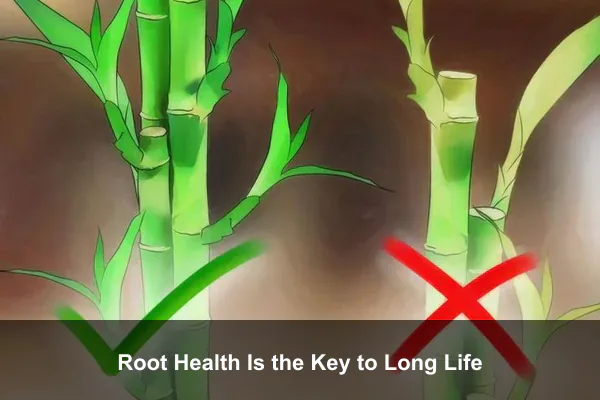
Because many Lucky Bamboo plants are grown in water, their roots are visible. This is a major advantage. Healthy roots usually look pale orange, tan, cream, or light reddish. They should feel firm, not slimy. If roots turn black, smell sour, or break apart easily, the plant is warning you that the water, container, or light conditions need attention.
Clean Water Matters More Than Extra Fertilizer
Lucky Bamboo is often overfed and under-cleaned. It does not need strong fertilizer to survive indoors. In fact, too much fertilizer can burn roots and cause yellow leaves. Clean water, a clean container, and stable placement usually do more for the plant than frequent feeding.
Use filtered, distilled, rain, or tap water that has rested for 24 hours if your local water contains strong chlorine. Keep the water level just high enough to cover the roots, not the entire stem. Submerging too much of the stalk can encourage rot.
Signs the Roots Need Help
- Water becomes cloudy within a few days.
- The vase smells unpleasant or sour.
- Roots look black, mushy, or slimy.
- Leaves turn yellow from the bottom upward.
- The base of the stalk feels soft instead of firm.
If these signs appear, remove the plant gently, rinse the roots, wash the container, replace the water, and trim only roots that are clearly dead or mushy. If the stem itself is soft, that stalk may not recover and should be separated from healthy stalks.
Water-Grown vs Soil-Grown Lucky Bamboo
Lucky Bamboo can grow in water or soil, and each method has benefits. Water-grown plants are clean, decorative, and easy to monitor. Soil-grown plants can become more stable over time because the roots receive better oxygen and nutrients when the potting mix drains properly.
When Water Growing Works Best
Water culture is best for small arrangements, decorative containers, and people who enjoy seeing the roots. Use washed pebbles to support the stalks and change the water every 7 to 14 days. Keep the vase out of direct sun because strong light warms the water and encourages algae.
When Soil Growing Works Best
Soil is a good option if your Lucky Bamboo is getting taller, leaning, or producing heavy leaf growth. Choose a pot with drainage holes and use a light indoor potting mix. The soil should stay slightly moist, not soaked. This method looks less like the classic vase arrangement, but it can support longer-term growth.
Light, Temperature, and Placement
Lucky Bamboo prefers bright, indirect light. Direct sun can scorch the leaves and heat the water, while a very dark room can slow growth and weaken new shoots. A spot near a bright window with filtered light is usually better than a sunny windowsill.
Temperature should remain comfortable for people, ideally away from cold drafts, air-conditioning blasts, and hot appliances. Sudden changes can stress the plant even if it looks tough. Rotate the container occasionally so leaves do not lean strongly toward one side.
Placement Checklist
- Choose indirect light, not harsh afternoon sun.
- Keep the plant away from vents and heaters.
- Use a stable container that will not tip easily.
- Avoid placing it where pets can chew the leaves.
- Leave space around the leaves for airflow.
Safety and Responsible Indoor Use
Lucky Bamboo is decorative, but it is not edible. Like many dracaena plants, it can be toxic to cats and dogs if chewed. Pet owners should place it beyond reach or choose a pet-safe plant instead. It should also be kept away from small children who may pull stones from the container or taste leaves.
Responsible use also means avoiding waste. A sturdy glass jar, reused ceramic vessel, or long-lasting planter is better than disposable containers. If you receive a Lucky Bamboo arrangement with decorative gel beads, consider replacing them with clean pebbles or water, because gel products can become dirty and are risky if children or pets access them.
Simple Care Routine for Healthy Stalks
A consistent routine prevents most Lucky Bamboo problems. The plant does not require daily attention, but it does respond well to clean conditions and gentle observation.
- Every week: Check water clarity, leaf color, and root texture.
- Every 1 to 2 weeks: Replace the water and rinse the container.
- Every month: Wipe dust from leaves with a soft damp cloth.
- Every 2 to 3 months: Add a very diluted liquid houseplant fertilizer only if growth looks weak.
- As needed: Remove yellow leaves and separate unhealthy stalks from healthy ones.
Common Mistakes to Avoid
- Keeping the vase in direct sun.
- Letting algae build up on glass and pebbles.
- Using too much fertilizer.
- Filling water above the root zone and soaking the stem.
- Ignoring soft stalks until rot spreads to the whole arrangement.
Conclusion
Lucky Bamboo plant benefits and information are most useful when the plant is viewed realistically. It is attractive, compact, low-mess, and easy to care for, but its long-term success depends on clean water, healthy roots, gentle light, and safe placement. It brings the benefits of indoor greenery into small spaces without demanding advanced gardening skills.
By treating Lucky Bamboo as a living dracaena rather than a disposable decoration, you get more value from it. Keep the roots clean, avoid overfeeding, protect it from harsh sun, and place it where it can be enjoyed safely. With those habits, Lucky Bamboo can remain a fresh, meaningful, and practical indoor plant for years.
