
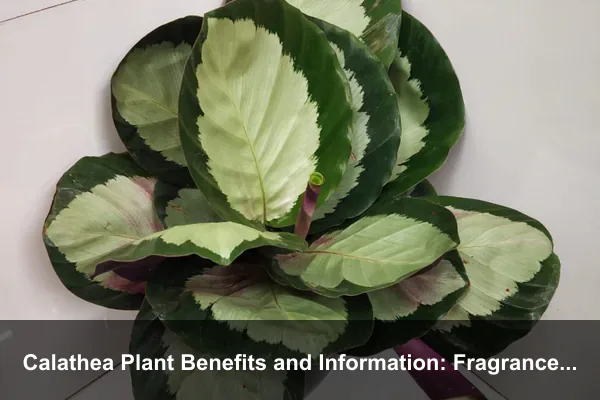
Calathea plant benefits and information are often discussed through the lens of beauty, humidity, and indoor care, but one of the most useful angles is sensory comfort. In homes where strong fragrance, pollen-heavy flowers, or messy blooms are not ideal, Calathea offers a quieter kind of ornamental value: bold patterned leaves, soft movement, and a lush indoor presence without relying on scent.
This guide focuses on Calathea as fragrance-free, foliage-first greenery for sensitive indoor spaces. It does not present the plant as a cure for allergies, stress, or air quality problems. Instead, it explains what Calathea can realistically contribute to a calmer home: visual interest, low-scent decoration, mindful care routines, and practical plant benefits that fit bedrooms, work corners, reading spaces, and shared rooms.
Why Calathea Fits Fragrance-Free Indoor Living
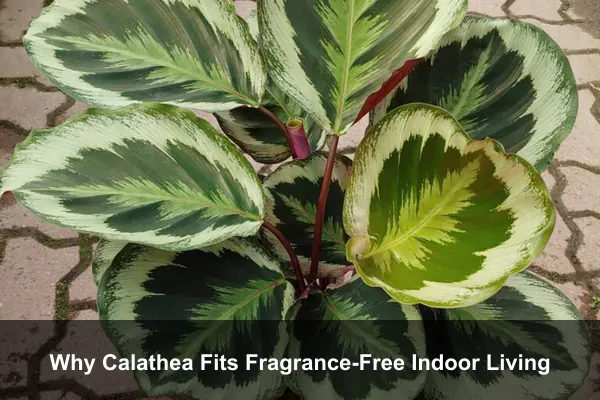
Calathea is a tropical foliage plant from the Marantaceae family, commonly grouped with prayer plants. Many plants sold as Calathea have been reclassified botanically into the genus Goeppertia, but the common name Calathea is still widely used by growers, shops, and houseplant owners. Its appeal comes from leaves that look almost painted: stripes, ovals, feathered markings, silver bands, deep green surfaces, and purple undersides.
For scent-sensitive households, that foliage matters. Some indoor plants are valued mainly for perfume or flowers, but Calathea gives visual richness without a strong aroma. It is not grown for fragrance, and it rarely produces noticeable flowers indoors. This makes it useful in rooms where scented candles, aromatic herbs, or heavily fragrant bouquets may feel overwhelming.
A Plant With Visual Impact, Not Heavy Perfume
Calathea can make a room feel intentional even when it is small. A single healthy plant can bring pattern, color contrast, and movement to a shelf or table without adding fragrance. This is especially helpful for people who prefer a clean-smelling home, share a room with others, or want greenery near a bed or desk without sensory overload.
Allergy-Aware, Not Allergy-Proof
Calathea is often a better option than showy flowering plants for people who want to limit loose pollen indoors. However, no houseplant is completely allergy-proof. Potting mix can grow mold if it stays soggy, dusty leaves can collect particles, and sensitive people may react differently to any indoor plant. The key benefit is that Calathea provides decorative value without relying on pollen-heavy blooms or strong scent.
Main Calathea Benefits for Calm Indoor Spaces
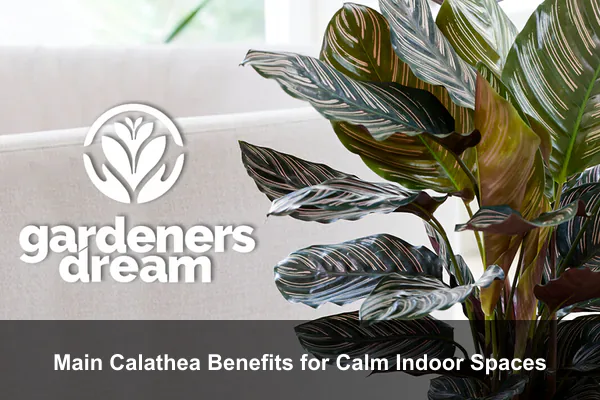
The best Calathea benefits are practical and realistic. They come from the way the plant looks, behaves, and encourages steady household habits. When cared for properly, Calathea can improve the feel of a room without promising more than a plant can deliver.
1. Patterned Leaves Add Color Without Flowers
Many people want indoor color but do not want falling petals, strong floral scent, or the short display window of cut flowers. Calathea solves that problem through foliage. Varieties such as rattlesnake plant, peacock plant, medallion Calathea, orbifolia, and pinstripe Calathea provide color through leaf pattern rather than blooms. This makes them long-lasting design elements for people who enjoy ornamental plants but prefer low-mess greenery.
2. Leaf Movement Creates Gentle Daily Interest
Calathea leaves often shift position between day and night, a movement known as nyctinasty. This does not mean the plant is communicating in a human sense, but it does make the plant feel responsive. Watching leaves lift in the evening and relax again in brighter hours can help owners notice light patterns, humidity changes, and the rhythm of the room.
3. Care Routines Encourage Better Indoor Habits
Calathea is not the lowest-maintenance houseplant, and that can be a benefit for the right owner. It rewards observation. You learn to check soil moisture before watering, keep leaves clean, avoid harsh direct sun, and notice when indoor air is too dry. These habits make you a more attentive plant owner and can improve the way you manage your indoor environment.
- Visual comfort: patterned leaves soften hard surfaces and plain corners.
- Low-scent appeal: useful where fragrance is unwanted or distracting.
- Compact beauty: many varieties fit shelves, plant stands, and small tables.
- Observation value: moving leaves make daily plant care more engaging.
- Foliage longevity: healthy leaves can remain attractive for months.
Essential Calathea Plant Information
Understanding basic Calathea information helps prevent disappointment. These plants are beautiful, but they are not desert plants, and they do not enjoy neglect in the same way a snake plant or ZZ plant might. Their ideal conditions are closer to the filtered light and steady moisture of a tropical understory.
Common Types Sold as Calathea
Different Calathea varieties offer different moods. Calathea orbifolia has wide round leaves with pale silver-green bands, creating a soft, modern look. Calathea lancifolia, often called rattlesnake plant, has long wavy leaves with dark oval markings. Calathea makoyana, or peacock plant, has delicate feather-like patterning. Calathea ornata, known as pinstripe plant, has elegant fine lines on darker foliage. Calathea roseopicta types often show dramatic central patterns with purple undersides.
These names may vary because of botanical reclassification, but the care principles are similar. Buy the plant for its current leaf health, not just for the label. A smaller plant with firm leaves and clean new growth is usually a better choice than a large plant with crispy edges, yellowing lower leaves, or wet, sour-smelling soil.
Growth Habit and Indoor Size
Most Calatheas grow as clumping plants from underground rhizomes. They do not climb like pothos or philodendron, and they do not form woody trunks like indoor trees. Indoors, many stay between 12 and 36 inches tall depending on variety, container size, light, humidity, and care. Their shape makes them suitable for tabletops when young and floor stands when mature.
Safety and Sensible Use
Calathea is widely regarded as a pet-friendly houseplant compared with many common tropical foliage plants. Still, it should not be treated as edible. Chewing can damage the plant and may upset a pet’s stomach simply because plant material is not food. For homes with curious pets or children, place the plant where leaves can be seen but not constantly pulled, rubbed, or bitten.
How to Care for Calathea Without Making It Complicated
Good Calathea care is about consistency, not perfection. The plant dislikes harsh extremes: dry soil followed by heavy soaking, direct sun after shade, cold drafts, or mineral-heavy water that repeatedly dries on leaf edges. A simple routine is usually more effective than constant adjustments.
Light: Bright, Indirect, and Gentle
Calathea grows best in bright indirect light. Place it near an east-facing window, several feet back from a brighter south or west window, or behind a sheer curtain. Direct midday sun can scorch leaves and fade patterns. Very low light may keep the plant alive for a while, but growth often slows and the leaf markings may look dull.
A practical test is to look at the shadow near the plant. A soft shadow usually suggests workable indirect light. A sharp, hot shadow means the sun may be too direct. No shadow at all may mean the room is too dim for strong growth.
Water: Even Moisture, Never Swampy Soil
Water Calathea when the top layer of potting mix begins to feel slightly dry, but before the entire root ball becomes bone dry. The goal is evenly moist soil with oxygen around the roots. Let excess water drain fully, and never leave the pot sitting in a saucer of water for long periods.
Many Calatheas react to hard tap water, high mineral content, chlorine, or fluoride with brown leaf tips. If your plant repeatedly develops crispy edges despite good humidity and careful watering, try filtered water, rainwater, or water that has been allowed to sit out overnight. This is not a magic fix, but it can reduce mineral stress in sensitive plants.
Humidity: Stable Air Helps Leaves Stay Clean-Looking
Calathea prefers moderate to high humidity, often around 50 percent or higher indoors. Dry air can lead to curled leaves and brown edges. A humidifier is the most reliable option, especially in air-conditioned rooms or heated winter homes. Pebble trays can add a little local moisture, but they are not as powerful as many people hope.
Grouping Calathea with other humidity-loving plants can create a slightly more stable microclimate. Just avoid packing plants so tightly that air cannot move between leaves, because stagnant conditions can encourage fungal problems.
Soil and Pot: Airy Moisture Is the Goal
Use a potting mix that holds some moisture but drains well. A basic indoor potting mix improved with orchid bark, perlite, coco coir, or fine composted material can work well. The pot must have drainage holes. Decorative cachepots are fine, but the inner nursery pot should be lifted out after watering so trapped water can be emptied.
- Check the top inch of soil with your finger before watering.
- Water thoroughly until excess drains from the bottom.
- Empty the saucer or outer pot after drainage finishes.
- Wipe dusty leaves with a soft damp cloth every few weeks.
- Rotate the pot slightly so growth remains balanced.
Best Places to Use Calathea in Sensitive Homes
Because Calathea is valued for pattern rather than perfume, it works especially well in spaces where calm visual texture is welcome but strong scent is not. The right placement also protects the plant from stress.
Bedrooms and Rest Areas
A Calathea can be a good bedroom plant if the room has indirect light and stable warmth. Choose a spot away from cold air-conditioning blasts, heaters, and windows that become chilly at night. The plant’s low-scent nature makes it suitable for people who do not want fragrant plants near pillows or bedding.
Home Offices and Reading Corners
In work areas, Calathea adds a natural focal point without demanding flowers or fragrance. Its leaf patterns can break up screens, books, and hard furniture lines. Place it where it can be seen from the desk but not knocked by elbows, chair backs, or cables.
Shared Living Spaces
For family rooms, waiting areas, or shared apartments, Calathea offers decoration that does not depend on everyone’s tolerance for scent. A neutral pot can make bold foliage feel refined, while a textured clay or ceramic planter can make the plant feel warmer and more handmade.
- Good locations: bright bedrooms, shaded living rooms, indirect-light offices, bathrooms with windows, and plant stands near filtered light.
- Risky locations: hot windowsills, dark corners, drafty hallways, heater vents, and places where the pot cannot drain.
- Best styling approach: let the leaves be the main feature and keep surrounding decor simple.
Common Calathea Problems and What They Mean
Calathea problems are often leaf signals. The plant responds visibly to water quality, dry air, poor drainage, and sudden changes. Reading these signs early prevents small issues from becoming major decline.
Brown Leaf Edges
Brown or crispy edges usually point to dry air, inconsistent watering, mineral-heavy water, or old leaf wear. Trim only the dry brown parts with clean scissors if they bother you visually. Then improve the growing conditions rather than cutting repeatedly without solving the cause.
Curling Leaves
Curling leaves may mean the plant is thirsty, exposed to too much light, chilled, or sitting in air that is too dry. Check soil moisture first. If the soil is dry, water thoroughly. If the soil is wet and leaves still curl, inspect roots and consider whether cold drafts or poor drainage are the real problem.
Yellow Leaves
Occasional older yellow leaves are normal. Multiple yellow leaves at once may indicate overwatering, compacted soil, low light, or root stress. Do not respond by watering more automatically. Lift the pot, check drainage, smell the soil, and look for a pattern before acting.
Faded Pattern
Faded leaves can result from too much direct sun or too little usable light. If the leaves look bleached or scorched, move the plant away from harsh sun. If new growth is small and dull, shift it to a brighter indirect position.
Buying Calathea for Long-Term Value
A good Calathea purchase starts with realistic expectations. These plants are not set-and-forget greenery, but they are not impossibly difficult either. They suit owners who enjoy checking in on their plants once or twice a week and making small adjustments before problems become severe.
What to Check at the Shop
Look for firm leaves, visible new growth, and soil that is lightly moist rather than soaked. Avoid plants with widespread yellowing, mushy stems, webbing, sticky residue, or many leaves cut short at the base. Some minor edge browning is common, but heavy crisping across the plant suggests stress that may continue after you bring it home.
Choose the Variety for the Room
If the room already has many patterns, choose a softer type such as orbifolia. If the room is simple and neutral, a rattlesnake plant or pinstripe Calathea can act like living artwork. In smaller spaces, choose upright or narrow varieties so leaves do not constantly brush walls, curtains, or furniture.
Think Beyond the First Month
Calathea’s long-term value comes from sustained foliage, not quick impact alone. A plant that fits your light, water habits, and room conditions will give better results than the most dramatic variety placed in the wrong spot. If your home is very dry and you do not want to use a humidifier, choose a tougher houseplant instead of forcing Calathea to struggle.
Conclusion
Calathea plant benefits and information become more useful when the plant is understood for what it truly offers. It is a fragrance-free, foliage-rich houseplant with patterned leaves, gentle movement, and strong decorative value for indoor spaces that need calm visual interest rather than perfume or flowers.
Its best benefits are practical: low-scent beauty, compact ornamental impact, observation-friendly growth, and a care routine that teaches attention to light, water, humidity, and drainage. Calathea is not the easiest houseplant and not a cure-all for indoor wellness, but in the right conditions it can become one of the most rewarding plants for sensitive, quiet, and thoughtfully designed homes.
