
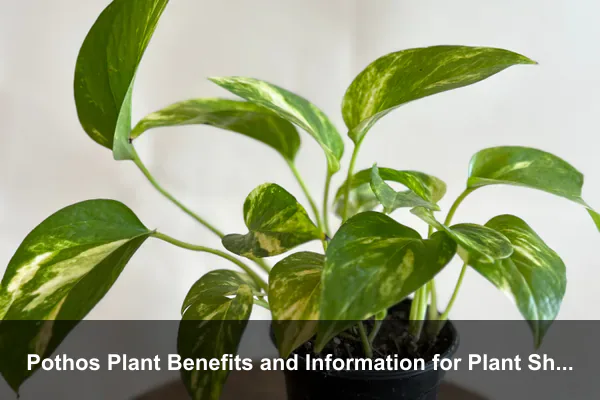
Pothos is one of the most useful houseplants for people who want greenery that looks abundant without demanding complicated care. When people search for pothos plant benefits and information, they often want to know whether this trailing vine is easy, attractive, and practical enough for everyday indoor life. The answer is yes, especially when pothos is used thoughtfully on shelves, bookcases, cabinets, and other compact display areas.
This guide takes a unique angle: instead of treating pothos only as a basic beginner plant, it focuses on how to use it as a smart shelf and bookcase plant. Pothos can soften hard furniture lines, add movement to vertical spaces, make small rooms feel greener, and teach simple plant-care habits. It is not a miracle air purifier, and it is not edible, but it is a reliable ornamental plant with real value when placed, watered, and maintained correctly.
Why Pothos Works So Well on Shelves and Bookcases
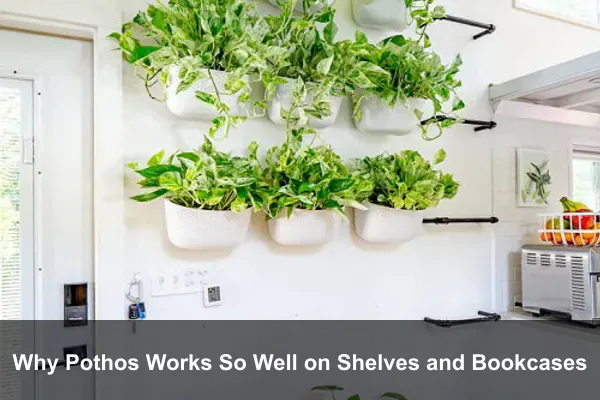
Pothos, botanically known as Epipremnum aureum, has a trailing growth habit that makes it especially suitable for elevated surfaces. Unlike upright plants that need floor space, pothos can sit in a modest pot while its vines create a fuller visual effect. This makes it useful for apartments, home offices, dorm rooms, and compact houses where every surface needs to earn its place.
It Adds Greenery Without Taking Over the Floor
One major pothos plant benefit is that it uses vertical and overhead space well. A small pot on a bookcase can create the impression of a larger plant because the vines naturally trail downward. This is helpful in rooms where floor planters block movement, collect dust, or compete with furniture.
It Softens Hard Interior Lines
Bookcases, floating shelves, media cabinets, and kitchen cupboards often have straight edges. Pothos vines break up those lines with soft foliage. The result feels more relaxed and lived in without needing major decorating changes. A healthy pothos can make a practical storage area look intentional rather than crowded.
It Is Forgiving Enough for Real Homes
Pothos tolerates a range of indoor conditions, including moderate light, occasional missed watering, and normal household temperatures. That does not mean it should be ignored, but it does make pothos easier to use in places that are slightly less convenient to reach. For shelf displays, this forgiving nature matters.
Essential Pothos Plant Information Before You Style It
Before placing pothos on a high shelf, it helps to understand what the plant actually needs. Good styling should support plant health, not hide poor conditions. The best display is one where the plant looks attractive and remains easy to care for.
Basic Identity and Growth Habit
Pothos is a tropical evergreen vine commonly grown indoors for its heart-shaped leaves. It is sometimes called devil’s ivy because it is resilient and can stay green in many indoor settings. The leaves may be solid green, yellow-variegated, white-variegated, or lime-colored depending on the variety.
In nature, pothos climbs using aerial roots. Indoors, it can trail from shelves, climb a moss pole, or be guided along supports. For bookcase displays, trailing is usually the simplest approach because it requires less hardware and keeps the plant easy to move.
Safety Information for Homes With Pets and Children
Pothos contains calcium oxalate crystals and should not be chewed or eaten. It can irritate the mouth and digestive tract of pets or children. If you have curious cats, dogs, toddlers, or classrooms with young learners, place pothos out of reach and clean fallen leaves promptly.
This does not mean pothos is unsuitable for every family home. It simply means placement matters. A high shelf can be useful, but only if trailing vines are also kept away from grabbing hands and playful pets.
Realistic Indoor Benefits
Pothos is valuable because it is attractive, adaptable, affordable, and easy to multiply from cuttings. It may also encourage better indoor habits, such as observing light, checking soil moisture, and cleaning dusty leaves. However, homeowners should avoid exaggerated claims. One plant will not replace ventilation, cleaning, or proper humidity control.
Choosing the Right Pothos for a Shelf Display
Different pothos types can create different visual effects. You do not need to become a collector to choose well. For shelves and bookcases, the best choice is usually the one that matches your light level, room color, and maintenance style.
Best Visual Choices for Shelves
- Golden pothos: A classic option with green leaves and yellow marbling. It is forgiving and works well in many rooms.
- Marble queen pothos: A lighter, cream-variegated type that looks elegant on darker shelves but needs brighter indirect light to keep its pattern strong.
- Neon pothos: A bright lime-green choice that can lift a neutral room and add contrast to wood, black metal, or white shelving.
- Jade pothos: A solid green type that usually handles lower light better than heavily variegated forms.
Pot Size and Weight Matter
For elevated displays, avoid pots that are too heavy, too tall, or unstable. A shelf plant should sit securely without risking damage to furniture or people below. A nursery pot inside a decorative cachepot can work well because the inner pot drains properly while the outer pot protects the shelf.
Choose a pot that is proportional to the plant. A very small pot may dry out too quickly, while an oversized pot can stay wet for too long and increase the risk of root problems. For many indoor pothos plants, a pot around 4 to 8 inches wide is practical for shelves.
Vine Length and Balance
Long vines look dramatic, but they are not always the best starting point. Very long vines can tangle with books, electronics, curtain rods, or pet toys. A medium-length plant with several healthy stems is often easier to style and maintain. You can allow it to lengthen gradually as you learn how it behaves in the space.
Shelf Placement: Light, Height, Airflow, and Protection
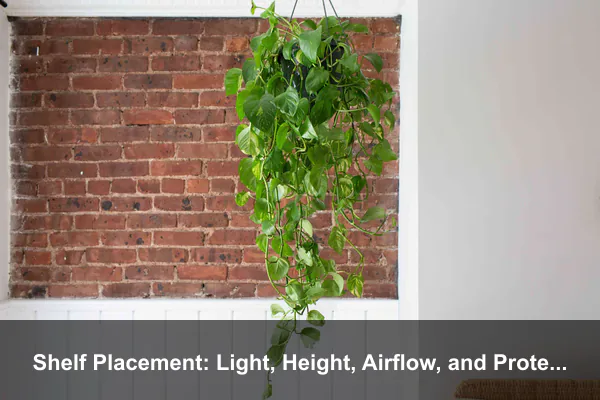
Good placement is the difference between a pothos that simply survives and one that stays attractive. A shelf may look perfect from a design perspective, but the plant still needs enough light, safe access, and protection from heat or dryness.
Light for Healthy Leaves
Pothos grows best in bright, indirect light, although many types tolerate medium light. A shelf near an east-facing window, a few feet from a bright south or west window, or near a good grow light can work well. In lower light, growth slows and variegated leaves may become greener.
Avoid direct midday sun on leaves pressed near glass, especially in hot climates. Strong sun can scorch foliage, while very dark corners can lead to leggy growth. If the plant produces smaller leaves and long bare stems, it may be asking for brighter conditions.
Height and Access
Do not place pothos so high that watering becomes awkward. A beautiful display becomes frustrating if you need a ladder every time you check the soil. Ideally, the pot should be reachable enough for regular inspection. If the shelf is high, choose a lightweight pot and use a stable step stool when needed.
Protecting Furniture and Books
Water damage is one of the most common problems with plant shelves. Pothos likes drainage, but shelves and books do not like leaks. Use a saucer, cork mat, ceramic tray, or waterproof liner under the pot. After watering, check that no water is sitting against wood, paper, or painted surfaces.
- Keep vines away from electrical outlets and power strips.
- Do not let wet nursery pots sit directly on wood.
- Leave space behind the pot for airflow.
- Rotate the plant every few weeks so growth stays balanced.
- Keep leaves from blocking vents, lamps, or frequently used objects.
Care Routine for Pothos in Elevated Displays
Shelf-grown pothos does not need a complicated routine, but it does need consistency. Because elevated plants are easy to admire and easy to forget, simple habits are better than ambitious schedules.
Watering Without Mess
Water pothos when the top part of the potting mix feels dry. In many homes, this may be every 1 to 2 weeks, but timing depends on light, temperature, pot size, and soil mix. Instead of watering by the calendar alone, check the soil with a finger or moisture meter.
If the pot is easy to move, take it to a sink, water thoroughly, let it drain, and return it to the shelf once dripping stops. If the pot must stay in place, water slowly and use a tray that can catch overflow. Never allow the plant to sit in stagnant water for long periods.
Soil and Drainage
A standard indoor potting mix with added perlite or orchid bark usually works well. The goal is moisture retention without sogginess. Pothos roots need oxygen, so compacted soil can cause stress even if the plant appears tough.
Repot only when needed. Signs include roots circling the pot, soil drying extremely fast, or growth slowing despite good light and care. For shelf plants, moving up one pot size is usually enough. Jumping to a much larger container can make watering harder to manage.
Feeding and Cleaning
During active growth, a balanced houseplant fertilizer at diluted strength can support healthy leaves. Overfeeding is unnecessary and may cause salt buildup in the soil. For most indoor settings, feeding once a month in spring and summer is sufficient, with little or no fertilizer in colder, darker months.
Dust can dull pothos leaves, especially on upper shelves near books and decor. Wipe leaves gently with a damp cloth. Clean leaves look better and receive light more efficiently. This small habit also gives you a chance to inspect for pests such as mealybugs, scale, or spider mites.
Practical Benefits Beyond Decoration
The most honest pothos plant benefits are practical. Pothos makes indoor greenery easier to fit into everyday life. It is visually flexible, budget-friendly, and useful for people who want plants but do not want a demanding collection.
It Supports Small-Space Design
In small rooms, plants must work with storage rather than compete against it. Pothos can share space with books, baskets, ceramics, and office supplies. A single trailing vine can make a shelf feel layered and natural without adding clutter to the floor.
It Encourages Observation
Pothos is easy to read. Wilting may suggest thirst, yellowing may point to overwatering or old leaves, and fading variegation may indicate low light. These visible signals help beginners develop plant-care judgment. Instead of memorizing rigid rules, owners learn to observe.
It Offers Affordable Green Impact
Compared with many large statement plants, pothos is usually affordable. A small plant can become visually generous over time. Cuttings can also be rooted and used to refresh fuller pots, share with friends, or start additional displays. This makes pothos a smart choice for anyone building an indoor plant style gradually.
- Start with one healthy plant rather than buying many at once.
- Test one shelf location for light and watering convenience.
- Adjust the placement before the vines become long.
- Propagate only healthy stems if you want more plants later.
Common Shelf Display Mistakes and Easy Fixes
Even a low-maintenance plant can struggle when styling comes before care. Most pothos shelf problems are simple to fix once you identify the cause.
Letting Vines Become Inconvenient
Long vines can look beautiful, but they should not block drawers, doors, light switches, or walking paths. If vines become inconvenient, trim them back and root the cuttings if desired. This keeps the display controlled and encourages a fuller look over time.
Using a Pot Without Drainage
Decorative pots without drainage can trap water around roots. If you love a decorative container, use it as a cachepot. Keep the pothos in a plastic nursery pot with drainage holes inside the decorative outer pot, then remove excess water after watering.
Ignoring Heat Sources
Top shelves may be close to ceiling heat, lamps, or electronics. Warm, dry air can cause faster drying and crispy edges. Move the pothos away from heat sources or check moisture more often. Avoid placing vines directly over lamps or devices that produce heat.
Choosing Style Over Safety
A heavy ceramic pot on a narrow shelf is risky. So is a trailing plant within reach of a pet that likes chewing leaves. Secure placement is part of responsible plant styling. The best pothos display should look natural, stay stable, and remain easy to maintain.
Simple Styling Ideas for a Better Pothos Display
Pothos looks best when it feels integrated with the room rather than randomly placed. Use it to connect objects, soften storage, and add living texture.
- Bookcase corner: Place pothos near one edge and let the vines trail down the side instead of covering book spines.
- Kitchen cabinet top: Use a washable tray and keep vines away from heat, steam, and grease.
- Home office shelf: Pair pothos with closed storage boxes to reduce visual clutter while adding greenery.
- Bathroom shelf: Use only if there is enough light and good airflow, not just humidity.
- Media console: Keep vines away from vents, cables, and warm electronics.
For a more polished look, repeat one material. For example, use two white pots on different shelves, or match a terracotta pot with a warm wood bookcase. The plant should be the living accent, while the container quietly supports the room’s style.
Conclusion: A Useful Vine for Beautiful Everyday Spaces
Pothos earns its popularity because it combines beauty, resilience, and practical indoor value. When used on shelves and bookcases, it brings greenery into spaces that might otherwise feel flat, hard, or unused. Its trailing habit creates visual movement, while its forgiving care needs make it realistic for busy homes.
The best way to enjoy pothos is to balance design with plant health. Give it suitable light, use a pot with drainage, protect your furniture, keep it safely away from pets and children, and trim vines before they become difficult to manage. With those basics in place, pothos plant benefits and information become more than search terms. They become a simple plan for creating indoor greenery that is attractive, affordable, and easy to live with.
