
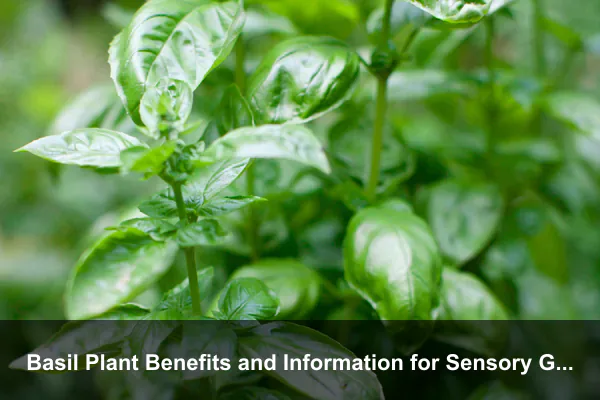
Basil is often introduced as a kitchen herb, but a fuller look at Basil plant benefits and information shows that this small leafy plant can shape how a home garden feels, smells, and functions. Its soft leaves, quick growth, recognizable aroma, and edible value make basil useful not only for cooking, but also for sensory garden design, beginner observation, and calm daily routines around plants.
This article takes a distinct angle: basil as a practical herb for creating a more engaging, useful, and human-centered garden space. Instead of focusing only on storage, hydroponics, seed saving, or companion planting, it explores how basil supports aroma-based gardening, accessible herb beds, mindful plant care, pollinator awareness, and everyday wellness without exaggerating medical claims.
What Makes Basil Useful Beyond the Kitchen?
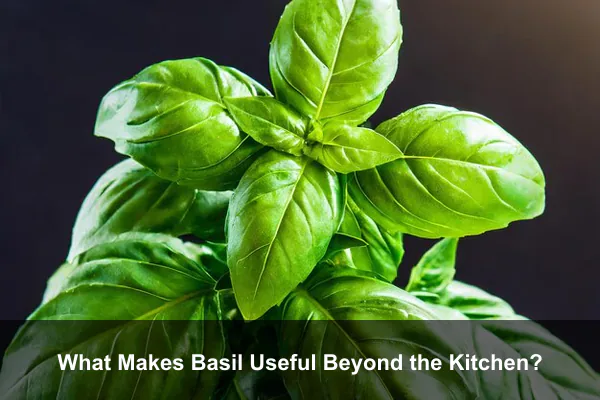
Basil, most commonly Ocimum basilicum, belongs to the mint family, Lamiaceae. Like many plants in this family, it has square stems, aromatic foliage, and a strong connection between leaf quality and growing conditions. The plant is usually grown as a warm-season annual, although in frost-free climates it may last longer when protected from stress.
The value of basil starts with its responsiveness. It grows quickly from seed or transplant, reacts visibly to light and water, and rewards regular picking with bushier growth. For new gardeners, this feedback is useful because basil makes cause and effect easy to understand. When the soil dries too far, leaves droop. When light is weak, stems stretch. When the tips are pinched, new side shoots appear.
A Living Herb With Fast Feedback
Many ornamental plants take months to show meaningful changes, but basil can change from week to week. That makes it especially helpful in family gardens, school gardens, balcony herb corners, and small urban spaces where people want visible progress. Watching basil respond to trimming, watering, sunlight, and temperature helps gardeners build plant literacy in a simple way.
The Benefit Is Practical, Not Magical
Basil contains natural aromatic compounds and small amounts of nutrients such as vitamin K, but its biggest everyday benefit is practical use. It encourages fresh cooking, brings scent into the garden, offers leaves for quick harvests, and creates a reason to step outside or pause near a windowsill. These ordinary benefits are more reliable than inflated claims about curing illness or purifying an entire home.
Key Basil Plant Benefits for Sensory Herb Spaces
A sensory herb space is designed around sight, touch, smell, taste, and routine interaction. Basil fits this idea well because it is fragrant without being woody, edible without complicated processing, and attractive without needing large flowers. Its leaves can be glossy green, deep purple, ruffled, tiny, large, smooth, or slightly textured depending on the type grown.
Aroma as a Daily Cue
One of the most useful basil plant benefits is its scent. The aroma becomes strongest when leaves are gently brushed, picked, or warmed by sun. This makes basil a good plant for places where people naturally pass by: beside a kitchen door, along a patio edge, near a garden bench, or in a container close to an outdoor table.
The scent can become a daily cue for slowing down. A person may water the plant, pinch a few leaves, notice new growth, or simply check the soil. These small rituals help turn plant care into a steady habit instead of an occasional chore. In a wellness-focused garden, that consistency matters more than dramatic claims.
Flavor That Supports Better Meals
Basil brings brightness to food without requiring heavy sauces, excess salt, or complex preparation. Fresh leaves can be torn over tomatoes, grains, eggs, soups, salads, roasted vegetables, and simple noodle dishes. The benefit is not that basil is a medicine, but that it makes fresh food more appealing. A flavorful herb can help people enjoy home-prepared meals with fewer processed flavor boosters.
Greenery That Invites Observation
Basil is visually active. New leaves form at nodes, stems branch after pruning, flower spikes emerge when the plant matures, and leaf color shifts with stress. This makes it an excellent observation plant. Gardeners can learn to read signs such as pale leaves, woody stems, stretched growth, and wilting. These clues teach broader gardening skills that apply to many edible and ornamental plants.
Pollinator Interest When Plants Flower
If some basil stems are allowed to flower, small blooms can attract bees and other beneficial insects. This does not mean every basil plant must be left to bloom, especially if leaf production is the main goal. A balanced approach works well: keep some plants pinched for leaves and allow one or two stems to flower in a quiet corner. This supports garden observation while still keeping fresh leaves available.
Designing a Basil Sensory Garden at Home
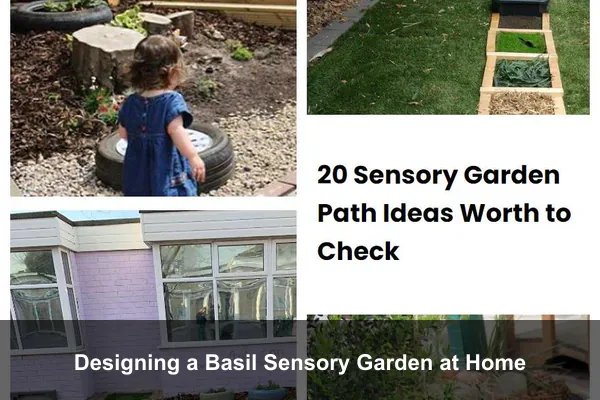
A basil sensory garden does not need to be large. It can be a raised bed, a balcony planter, a patio container group, a kitchen doorstep pot, or a narrow strip beside a walkway. The aim is to place basil where people can interact with it often, not hide it in a distant vegetable bed where it is forgotten.
Place Basil Where Hands Can Reach It
Basil performs best when harvested regularly, so it should be planted where picking feels convenient. A pot near the kitchen is often more useful than a perfect garden bed far from the cooking area. In small homes, a sunny balcony, porch, or bright outdoor shelf can work as long as the plant receives strong light and steady warmth.
Good sensory placement includes:
- Kitchen door containers: ideal for quick harvests and easy watering checks.
- Patio edges: useful where people sit, eat, and notice fragrance.
- Raised beds: helpful for gardeners who prefer less bending.
- Children’s garden corners: suitable for supervised tasting, smelling, and observing.
- Community herb beds: practical for shared spaces where people need recognizable, useful plants.
Combine Texture Without Crowding Roots
Basil looks good with plants that contrast its soft leaves. Fine-leaved herbs, compact edible flowers, or low-growing greens can make the space more interesting, but basil still needs airflow. Crowding causes damp leaves, weak stems, and higher disease pressure. Leave enough space for air to move between plants, especially in humid climates.
Build an Accessible Herb Routine
For accessible gardening, basil should be easy to see, reach, water, and harvest. A container at table height can serve older gardeners, children, and people who do not want to kneel. Labeling the plant clearly can also help in shared gardens. Because basil has a distinct smell and soft leaf texture, it can be a useful plant for multi-sensory learning.
How to Grow Basil for Strong Aroma and Healthy Leaves
Healthy basil begins with warmth, light, drainage, and regular harvesting. The plant is not difficult, but it dislikes cold soil, poor airflow, soggy roots, and long periods without trimming. Strong aroma and tender leaves depend on keeping the plant actively growing rather than stressed or neglected.
Light and Warmth
Basil needs bright light to stay compact and flavorful. Outdoors, it usually performs best with several hours of direct sun each day. In very hot climates, light afternoon shade can prevent scorching and water stress. In cooler areas, basil should not be planted outside until nights are reliably warm because cold temperatures slow growth and may damage leaves.
Weak light produces long stems, thin leaves, and reduced aroma. If basil is grown in a container, rotating the pot can help the plant grow evenly. If one side stretches toward the sun, that is a sign the plant wants more consistent exposure.
Soil, Drainage, and Watering
Basil prefers soil that holds moderate moisture but drains well. A loose potting mix is better for containers than heavy garden soil. In beds, adding compost can improve structure and moisture balance. The goal is not constantly wet soil, but steady moisture that prevents repeated wilting.
Water the soil rather than showering the leaves late in the day. Wet foliage that stays damp overnight can encourage disease. In containers, check moisture with a finger before watering. If the top layer is dry but the root zone still feels slightly moist, wait a little longer. If the plant is wilting and the mix is dry, water thoroughly until excess drains out.
Pinching for Fuller Growth
Pinching is one of the simplest ways to improve basil. When the top of a stem is removed above a pair of leaves, the plant often sends out side shoots from that node. Over time, this creates a fuller shape and more harvest points. Waiting too long can result in tall, woody stems and fewer tender leaves.
- Let the young plant establish several sets of leaves.
- Pinch or cut just above a healthy leaf pair.
- Use the harvested tips immediately in food.
- Repeat lightly and often instead of cutting the plant back severely.
- Remove early flower buds if the goal is tender leaf production.
Safe Use and Realistic Wellness Value
Basil is widely used as a culinary herb, but safe use still matters. Most people enjoy normal food amounts without concern, yet concentrated extracts, essential oils, and medicinal doses are different from fresh leaves in a meal. A responsible article about Basil plant benefits and information should make that distinction clear.
Food Use Versus Medicinal Use
Fresh basil in cooking is best understood as a flavorful food ingredient. It can contribute plant compounds, aroma, color, and small amounts of nutrients, but it should not be presented as a cure. People with health conditions, pregnancy concerns, allergies, or medication questions should treat concentrated basil products cautiously and ask a qualified health professional before using them therapeutically.
In everyday life, the wellness value of basil is more grounded: it encourages fresh cooking, adds variety to meals, supports a habit of tending living plants, and helps people engage with their garden through scent and touch. Those benefits are meaningful because they are realistic and repeatable.
Pet and Household Awareness
Common sweet basil is generally not considered one of the more dangerous household herbs, but pets can still get stomach upset from eating large amounts of plant material. Place containers where curious animals will not dig, chew, or knock them over. In homes with small children, teach that edible plants should still be tasted only with adult guidance, because not every garden leaf is safe.
Clean Harvesting Habits
Even when basil is grown at home, leaves should be handled cleanly. Wash hands before harvesting, use clean scissors if cutting stems, and avoid picking leaves from plants recently treated with unsuitable sprays. If growing near a walkway, keep plants away from areas exposed to road dust, pet waste, or chemical drift.
Everyday Basil Routines That Make the Plant More Valuable
The real value of basil increases when it is woven into daily routines. A plant that is ignored until it flowers and declines gives less benefit than one that is checked, trimmed, smelled, and used regularly. These routines do not need to be complicated.
Five-Minute Herbal Habits
A few minutes with basil can support both plant health and household use. In the morning, check whether the leaves look firm. At midday, notice whether the plant receives enough light or too much heat. Before dinner, pinch a few tips and use them fresh. These quick habits keep the plant productive while making the garden feel connected to everyday life.
- Morning check: look for drooping leaves, dry soil, or pest damage.
- Midweek pinch: remove growing tips to encourage branching.
- Meal harvest: pick only what you need so leaves stay fresh on the plant.
- Weekly rotation: turn containers so all sides receive light.
- Flower decision: choose whether to remove buds for leaves or keep some blooms for insects.
Garden Journal Prompts
Basil is useful for simple garden journaling because it changes quickly. Notes can be short, but they help gardeners understand patterns over time. Record when the plant was watered, when tips were pinched, where it received the best light, and how the aroma changed during hot or rainy weather.
Helpful journal questions include: Which container stayed moist longest? Did the plant grow fuller after pinching? Did leaves taste stronger in sunnier weather? Did flowers attract insects? Did the plant wilt at the same time each day? These observations turn basil from a passive plant into a teaching tool.
Troubleshooting Basil in a Sensory Garden
Because basil is often placed near people, problems are noticed quickly. That is an advantage. Early correction usually prevents small issues from becoming plant failure. Most basil problems connect to light, water, temperature, spacing, or harvest rhythm.
Leggy Stems
Long, weak stems usually mean the plant needs more light or more frequent pinching. Move containers to a brighter spot if possible and begin trimming above leaf pairs. Avoid removing too much at once from a stressed plant; gradual correction works better.
Yellowing Leaves
Yellow leaves may come from overwatering, poor drainage, hungry soil, old lower leaves, or root stress. Check the container first. If water sits in the saucer or the mix smells sour, drainage is likely the issue. If the plant is pale but otherwise growing, a light feeding or fresh compost may help.
Leaf Spots and Mildew
Spotted leaves or mildew often appear when airflow is poor and foliage stays damp. Space plants properly, water at soil level, remove badly affected leaves, and avoid crowding basil against dense plants. In humid areas, morning watering is usually better than evening watering.
Early Flowering
Basil flowers naturally as it matures, but stress can make it flower early. Heat, drought, root restriction, or missed pruning may push the plant toward blooming. If tender leaves are the goal, pinch off flower buds and improve care conditions. If pollinator observation is the goal, let selected stems bloom while keeping other plants trimmed.
Choosing Basil Types for Sensory Value
Different basil types create different sensory experiences. Sweet basil is familiar and versatile, but other types can add color, leaf shape, scent variation, and visual interest. Choosing more than one type can make a small herb space feel richer without requiring many plant species.
- Sweet basil: classic green leaves, balanced aroma, and broad kitchen use.
- Genovese basil: large tender leaves and strong fragrance, often chosen for Italian-style dishes.
- Thai basil: firmer leaves, purple stems, and a spicy anise-like scent.
- Lemon basil: citrus-like aroma that works well near seating areas and tea gardens.
- Purple basil: deep color for contrast in containers and edible landscapes.
- Compact basil: smaller growth habit for balcony pots, edging, and tight spaces.
For a sensory garden, choose basil types based on how people will interact with them. A child-friendly pot may benefit from compact basil with small leaves. A patio container may be more interesting with purple and green varieties together. A cooking-focused doorway garden may need one vigorous sweet basil plant that can handle frequent picking.
Basil as Part of a Thoughtful Plant Benefits Garden
In a plant benefits garden, each species should earn its place through practical value. Basil does that through taste, scent, beauty, pollinator interest, and learning potential. It is not merely decorative, yet it can be attractive. It is not a cure-all, yet it can support healthier routines. It is not difficult, yet it teaches important gardening principles.
This balance makes basil especially useful for beginners. The plant offers quick wins but also teaches nuance. Too much water causes trouble. Too little light weakens growth. Harvesting helps the plant if done correctly. Flowers can be useful or undesirable depending on the goal. These lessons make basil a gateway herb for understanding edible gardening more broadly.
Conclusion
Basil plant benefits and information go far beyond the idea of a simple garnish. Basil can bring fragrance to a doorway, fresh flavor to meals, visual interest to containers, pollinator activity to a garden corner, and steady learning to everyday plant care. Its greatest strength is that it connects usefulness with sensory pleasure in a way that is easy to understand.
For the best results, grow basil where it can be reached, noticed, and used often. Give it warmth, bright light, good drainage, regular pinching, and clean harvesting habits. When treated as a sensory herb rather than only a kitchen ingredient, basil becomes a small but powerful part of a healthier, more engaging home garden.
