
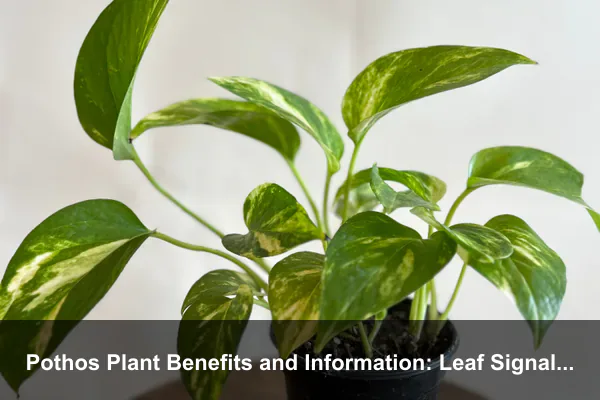
Pothos is often described as an easy houseplant, but that description only tells part of the story. When you look closely, this tropical vine can also act as a living feedback system for your home. Its leaf color, vine spacing, drooping pattern, root behavior, and response to light can reveal whether a room is too dim, too dry, overwatered, or simply ready for a better care rhythm.
This guide takes a fresh angle on Pothos plant benefits and information by focusing on what the plant can teach you. Instead of treating pothos only as green decoration, we will look at it as a practical indoor indicator, a low-maintenance plant for daily observation, and a useful part of a healthier houseplant routine. In the spirit of Manfaat Tanaman, the real value comes from practical benefits: greener spaces, calmer habits, cleaner-looking rooms, and better awareness of indoor growing conditions.
Why Pothos Deserves a More Observant Care Approach
Pothos, commonly known as devil’s ivy and botanically identified as Epipremnum aureum, is a tropical aroid grown for its trailing or climbing vines. It is popular because it tolerates a wide range of indoor conditions, but tolerance should not be confused with silence. The plant constantly responds to its environment. A pothos near a bright window may produce fuller leaves and stronger variegation, while one in a dark corner may grow longer gaps between leaves as it searches for light.
This makes pothos especially useful for beginners because it gives visible clues before a problem becomes severe. A slightly limp vine, a yellowing older leaf, or a pale new shoot can guide your next action. The benefit is not just the plant’s survival. The larger benefit is that pothos helps you build attention, timing, and confidence as an indoor gardener.
A Resilient Aroid With Readable Growth
Many houseplants decline quickly when care is inconsistent. Pothos is more forgiving. It can handle occasional missed watering, moderate indoor light, and normal household humidity. That resilience gives you time to learn. If you overwater once, underwater for a few days, or choose a less-than-perfect spot, the plant often recovers when the routine improves.
Its growth is also easy to read. Nodes along the vine can produce roots, leaves, and new shoots. Older leaves show how past conditions affected the plant, while new leaves reveal whether current conditions are improving. This makes pothos an excellent plant for anyone who wants more than a decorative object. It becomes a small, everyday lesson in plant response.
Benefits Beyond Decoration
The most realistic pothos benefits are practical and sensory. It softens shelves, adds natural color to plain walls, supports a calm indoor atmosphere, and gives busy people a simple plant to maintain. It is not a miracle air purifier, a medical treatment, or a replacement for ventilation, but it can contribute to a more pleasant and attentive home environment.
- Visual comfort: The trailing green leaves make indoor spaces feel softer and more lived-in.
- Care confidence: Clear signals help beginners understand watering, light, and pruning.
- Flexible placement: Pothos can grow in pots, hanging planters, shelves, plant stands, or trained upward on a support.
- Low-mess greenery: It does not usually shed heavily when cared for properly.
- Routine building: Checking leaves and soil once or twice a week encourages consistent plant care habits.
Reading Pothos Leaves, Vines, and Roots Like Care Clues
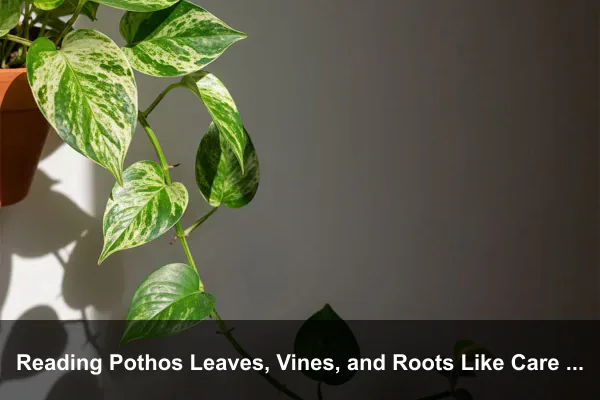
The unique value of pothos is how clearly it communicates through growth. A plant cannot speak, but it can show patterns. When you learn those patterns, you can stop guessing and start adjusting care with more confidence.
Leaf Color and Variegation
Pothos varieties may have solid green, golden, white, cream, or marble-patterned leaves. Variegated types usually need brighter indirect light to keep their patterns strong. If a variegated pothos begins producing mostly green leaves, it may be adapting to lower light. Green leaves contain more chlorophyll, which helps the plant capture limited light more efficiently.
On the other hand, bleached, scorched, or crispy patches can mean the plant is getting direct sun that is too harsh. Bright indirect light is usually better than intense sun through hot glass. If the plant sits near a west- or south-facing window, a sheer curtain or a little distance from the glass can protect the leaves.
Vine Spacing and Growth Direction
The distance between leaves tells you a lot. Compact growth with leaves close together often suggests better light and steady care. Long bare stretches between leaves may indicate low light, inconsistent watering, or a plant that has not been pruned for fullness. This does not mean the plant is failing, but it does mean the vine is prioritizing reach over dense growth.
Growth direction matters too. If all vines lean strongly toward one window, rotate the pot every week or two. If a hanging pothos looks full on one side and thin on the other, the light source may be uneven. Instead of moving the plant randomly, use these patterns to map the room.
Root Clues in Soil and Water
Healthy pothos roots are usually firm and pale to tan, depending on the growing medium. In soil, roots should not smell sour or feel mushy. A pot that stays wet for too long can reduce oxygen around the roots, increasing the risk of rot. In water propagation, clean water and visible white roots are good signs, but permanently water-grown pothos still needs occasional water changes and a clean container.
If roots circle tightly around the pot and water runs straight through without moistening the mix, the plant may be root-bound. Repotting into a slightly larger container can help, but avoid moving it into a pot that is much too large. Excess soil around a small root ball can stay wet too long.
Pothos Benefits for Daily Indoor Living
When discussing Pothos plant benefits and information, it is important to separate realistic value from exaggerated claims. Pothos is beneficial because it is adaptable, attractive, and easy to integrate into daily life. Its greatest contribution is often behavioral: it helps people notice light, water use, airflow, and indoor comfort more regularly.
Visual Calm and Biophilic Routine
Greenery can make a room feel less sterile. A pothos on a shelf, cabinet, or work surface adds organic shape to spaces dominated by straight lines, screens, furniture, and storage. This visual softness can make a home office, bedroom corner, or apartment kitchen feel more balanced.
The routine of caring for pothos can also be grounding. A short weekly check of soil moisture, leaf color, and vine direction gives you a small break from screen-heavy habits. The plant does not demand complicated care, so the routine feels achievable rather than stressful.
Space-Saving Greenery
Pothos works well in small spaces because it can grow vertically, trail downward, or be trimmed to stay compact. It can sit on a narrow shelf, hang from a hook, grow from the top of a cabinet, or climb a moss pole or trellis. This flexibility is valuable for renters, dorm rooms, studios, and homes where floor space is limited.
For the cleanest look, match the growth style to the room. A trailing pothos works well above eye level, while a climbing pothos suits a corner where vertical structure is useful. A compact pot of rooted cuttings can brighten a desk or side table without overwhelming the surface.
Low-Pollen and Fragrance-Free Comfort
Pothos is grown for foliage, not scented flowers. For people who prefer fragrance-free indoor greenery, this is an advantage. It brings plant texture and color without adding strong perfume to the room. While no plant is automatically suitable for every allergy-sensitive household, pothos is often chosen because it is relatively simple, low-mess, and not valued for airborne fragrance.
Air-Care Reality Check
Pothos is frequently mentioned in discussions about indoor air quality. Laboratory studies have shown that some plants can interact with certain airborne compounds under controlled conditions. However, a normal home is not a sealed laboratory. One or two houseplants cannot replace ventilation, cleaning, humidity control, or source reduction.
The realistic benefit is this: pothos can support a greener, more pleasant indoor environment, but it should be part of a broader healthy-home routine. Open windows when outdoor air quality allows, clean dust-prone surfaces, avoid excess moisture, and use proper ventilation in kitchens and bathrooms. Treat pothos as a helpful living element, not as an air-cleaning device.
The Best Indoor Places for Pothos by Signal, Not Habit
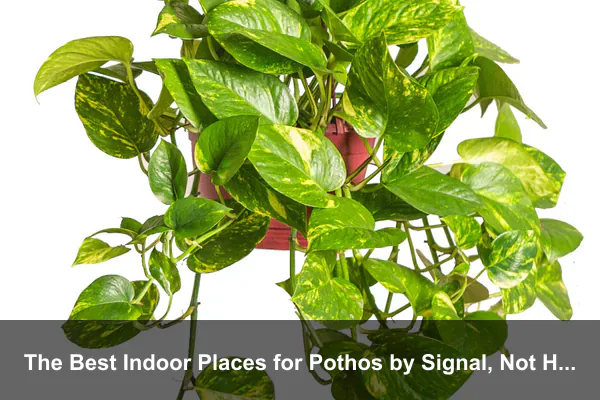
Many people place pothos wherever it looks good on day one. A better approach is to place it, observe it, and adjust based on signals. The plant’s response over the next few weeks will tell you whether the location supports healthy growth.
Bright Shelves and Filtered Windows
A bright shelf near an east-facing window is often excellent for pothos. Morning sun is usually gentler than afternoon sun, and the plant receives enough light to maintain color and steady growth. North-facing windows can also work if the room is bright overall, though variegated varieties may grow more slowly.
If the leaves become smaller, darker, and more widely spaced, try moving the plant closer to a brighter area. If leaves develop dry tan patches, reduce direct sun exposure. The goal is bright indirect light, not harsh heat.
Kitchens, Bathrooms, and Work Corners
Kitchens can be good locations if the plant is away from stove heat, oily residue, and constant drafts. Bathrooms may offer higher humidity, but only if they also have enough light. A windowless bathroom is not ideal unless you provide a suitable grow light.
Work corners can benefit from pothos because the plant adds a natural visual pause. Place it where it is visible but not in the way of cables, papers, or equipment. A compact pothos on a shelf or a trained vine near a desk can make the area feel less mechanical without creating clutter.
Placement Mistakes to Avoid
- Do not place pothos directly against hot glass where leaves can scorch.
- Avoid dark corners if you want full, steady growth.
- Keep vines away from walkways where they may be pulled or damaged.
- Do not let trailing stems hang into sinks, stovetops, heaters, or frequently opened doors.
- Avoid placing the plant where pets or small children may chew the leaves.
Practical Pothos Care Information for Stronger Growth
Good pothos care is simple, but simple does not mean careless. The plant performs best when light, water, soil, and pruning work together. If one factor is off, the plant may survive, but it may not look as full or vibrant as it could.
Light Requirements
Pothos prefers bright indirect light but can tolerate moderate indoor light. Solid green varieties often handle lower light better than heavily variegated ones. If your room is dim, choose a greener type and keep expectations realistic. Growth will be slower, and vines may become thinner.
Artificial light can help in offices or apartments with limited natural light. A full-spectrum grow light placed at a suitable distance can support steady growth, especially during darker months. Watch the plant’s response rather than relying only on a fixed schedule.
Watering Rhythm
The best pothos watering routine depends on pot size, soil mix, light, temperature, and season. Instead of watering on a strict calendar, check the top layer of potting mix. Water when the upper portion feels dry and the pot feels lighter than usual. Then water thoroughly until excess drains out, and empty any standing water from the saucer.
Overwatering is usually more dangerous than brief dryness. Yellowing leaves, constantly wet soil, fungus gnats, and a sour smell can all suggest too much moisture. Limp leaves with dry soil often mean the plant is thirsty. The same symptom can have different causes, so always check the soil before acting.
Soil and Potting
A loose, well-draining potting mix is best. Standard indoor potting mix can work, but many growers improve it with perlite, orchid bark, or coco chips to increase airflow. The pot should have drainage holes. Decorative cachepots are fine if the inner nursery pot can drain properly before being returned.
Repot when roots are crowded, growth slows despite good care, or the mix breaks down and stays wet too long. Choose a pot only one size larger. Oversized containers can hold too much moisture around the roots.
Feeding and Maintenance
Pothos is not a heavy feeder. During active growth, a diluted balanced houseplant fertilizer can be applied occasionally according to product directions. More fertilizer does not mean better growth. If light is poor, fertilizer cannot compensate for it and may even stress the plant.
Wipe dusty leaves with a damp cloth so they can receive light efficiently. Trim yellow or damaged leaves at the base of the stem. Prune long vines if you want a fuller plant, and root healthy cuttings if you want to refresh the pot.
Common Pothos Problems and What They Mean
Problems are easier to solve when you treat them as clues. Pothos rarely declines without showing visible changes first. The key is to look at the whole pattern, not one leaf in isolation.
Yellow Leaves
One yellow older leaf now and then is normal. Several yellow leaves at once may point to overwatering, poor drainage, sudden temperature change, or root stress. Check whether the soil is staying wet too long. If it is, reduce watering frequency, improve drainage, and inspect the roots if the problem continues.
Brown Tips or Edges
Brown tips can come from inconsistent watering, dry air, fertilizer buildup, or mineral-heavy water. Trim the damaged parts if they bother you, but focus on the cause. Flush the soil occasionally, avoid overfertilizing, and keep the plant away from hot or cold drafts.
Small Leaves and Long Bare Vines
This usually means the plant needs more light or more active pruning. Move it gradually to a brighter location and trim long vines back to encourage branching. You can also plant rooted cuttings into the same pot to create a fuller look.
Limp Growth
Limp pothos can mean underwatering, but it can also mean root damage from too much water. Always test the soil. If it is bone dry, water thoroughly. If it is wet and the plant is limp, inspect drainage and roots. Mushy roots require prompt action, including removing damaged roots and repotting into fresh, airy mix.
Safety and Responsible Indoor Ownership
Pothos is beautiful and useful, but it is not edible. The plant contains insoluble calcium oxalate crystals that can irritate the mouth and digestive tract if chewed or swallowed. This matters in homes with curious pets or small children. Place the plant out of reach, use secure hanging hardware, and clean up fallen leaves promptly.
Handling the Plant Safely
Most people can prune and repot pothos without issue, but wearing gloves is sensible if you have sensitive skin. Wash your hands after handling cut stems, roots, or sap. Do not use pothos leaves in teas, food, herbal remedies, or skin preparations.
Sustainable Buying and Growing
A responsible pothos routine can be low-waste. Buy a healthy plant from a reputable grower, reuse nursery pots when practical, refresh soil only when needed, and propagate cuttings instead of discarding healthy trimmed vines. If you share cuttings, include basic care and safety notes so the next grower understands the plant.
Choose the right variety for your conditions. A highly variegated pothos may look striking online, but it may not thrive in a dim room. A greener variety may be the better long-term choice. Sustainable plant ownership starts with matching the plant to the actual home, not forcing the home to match a trend.
A Simple Four-Week Pothos Observation Routine
If you want to get more value from pothos, observe it for a month before making major changes. This helps you understand your plant’s baseline and avoid overcorrecting.
- Week one: Check the light. Notice where the brightest indirect light falls during the day. Rotate the plant once and observe whether vines lean strongly in one direction.
- Week two: Track watering. Feel the soil every few days and learn how quickly it dries in that location. Water only when the upper mix has dried enough.
- Week three: Study the leaves. Look for yellowing, browning, fading variegation, smaller new growth, or long gaps between leaves. Match each sign to possible causes.
- Week four: Adjust one thing. Move the plant slightly closer to light, prune one long vine, improve drainage, or refine watering. Change only one main factor so you can see what helped.
This routine turns pothos care from guesswork into observation. Over time, you will become better at understanding not only pothos but also other houseplants with similar needs.
Choosing the Right Pothos for Your Home
There are many pothos types, and the best one depends on your light, style, and maintenance preference. Golden pothos is a classic choice with green and yellow variegation. Marble queen has cream and green marbling but often needs brighter light to maintain its pattern. Jade pothos is mostly green and may be better for lower-light rooms. Neon pothos has bright chartreuse leaves that stand out in modern interiors.
When buying, look for firm leaves, active growth points, and soil that is moist but not soggy. Avoid plants with a sour smell, mushy stems, heavy pest presence, or many collapsing leaves. A smaller healthy plant is usually better than a large stressed plant that has been overwatered in the store.
Best Choice for Beginners
For a first pothos, choose golden pothos or jade pothos. Both are forgiving and easy to read. Once you understand their care signals, you can try more delicate or highly variegated varieties.
Best Choice for Brighter Rooms
For bright indirect light, marble queen or manjula pothos can be rewarding because their patterns stay more pronounced. Just remember that more variegation often means slower growth because the lighter parts of the leaf contain less chlorophyll.
Conclusion
Pothos is more than a popular trailing houseplant. When you pay attention to its leaves, vines, roots, and growth pattern, it becomes a practical guide to your indoor environment. It can show you when light is too low, when water is too frequent, when roots need air, and when a room placement is working well.
The best way to understand Pothos plant benefits and information is to keep the claims realistic. Pothos offers flexible greenery, low-maintenance beauty, beginner-friendly learning, and a calmer daily plant routine. It does not replace clean air practices, safe home habits, or thoughtful plant placement, but it does make indoor gardening easier to observe and enjoy. With bright indirect light, careful watering, airy soil, and safe placement, pothos can become one of the most useful and informative plants in the home.
