
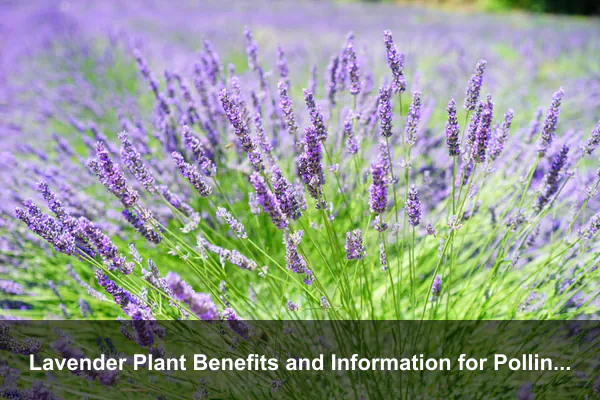
Lavender plant benefits and information are often discussed through fragrance, relaxation, or decorative value, but one of the most useful angles is how this hardy flowering herb can support small outdoor systems. In a home garden, school plot, community bed, or shared walkway, lavender can work as more than a pretty plant. It can attract pollinators, define planting zones, provide low-waste herbal harvests, and help gardeners build routines around observation, timing, and responsible plant use.
This guide looks at lavender as a practical plant for pollinator strips and productive garden edges. The focus is not only on what lavender is good for, but also on where it fits, how to use it wisely, and why its benefits depend on climate, care, harvest timing, and realistic expectations. For anyone interested in manfaat tanaman, or the real-life value of plants, lavender offers a clear example of how beauty, ecology, and daily usefulness can meet in one compact shrub.
Why Lavender Works Well in Pollinator Strips
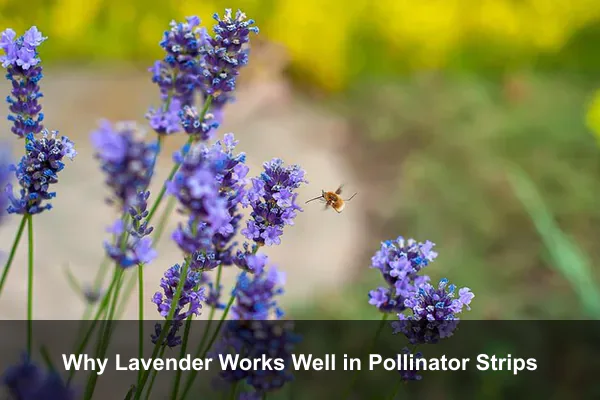
Lavender is a flowering perennial or semi-woody herb known for narrow aromatic leaves, upright flower spikes, and a scent produced by natural plant oils. Many lavender types belong to the genus Lavandula, with English lavender, lavandin, Spanish lavender, and French lavender among the commonly grown forms. Their flowers are especially attractive to bees and other beneficial insects when planted in sunny, open locations.
A pollinator strip is a planned row or patch of flowers designed to provide nectar, pollen, shelter, and visual guidance for insects moving through a garden. Lavender fits this role because it has a long bloom season in many regions, grows in a tidy shape, and can be repeated along paths, vegetable beds, or community garden borders without becoming overly messy.
Key ecological benefits
- Nectar support: Lavender flowers provide resources for bees, hoverflies, butterflies, and other visiting insects.
- Planting structure: Its compact mound shape helps organize mixed beds and create visible garden boundaries.
- Reduced disturbance: Established lavender usually needs less frequent watering than many soft annual flowers.
- Seasonal continuity: When paired with early and late bloomers, lavender helps extend pollinator interest through warm months.
The best results come when lavender is not treated as the only pollinator plant. It performs better as part of a diverse planting strip with flowers that bloom before, during, and after lavender. This reduces the risk of creating a short food window and makes the garden more resilient.
Important Lavender Plant Benefits for Everyday Gardeners
Lavender offers several benefits, but they are strongest when described accurately. It is not a miracle plant, medical cure, or replacement for proper garden management. Its value comes from a combination of scent, flowers, low-input care, harvest potential, and ecological usefulness.
Useful scent without heavy maintenance
Lavender leaves and flowers contain aromatic compounds that create its recognizable herbal scent. In the garden, this fragrance can make outdoor work feel more pleasant, especially near seating areas, gate edges, and shared garden paths. The scent is strongest when leaves are brushed gently, flowers are harvested, or plants are warmed by sunlight.
Low-waste harvest potential
Lavender can be harvested in small amounts for dried bundles, sachets, simple crafts, herbal displays, and culinary use when the correct edible variety is chosen. This makes it useful for gardeners who want plants that offer both visual value and practical harvests. The most important rule is to avoid using lavender from plants treated with unknown pesticides, florist chemicals, or non-food-safe sprays.
Learning value for families and community gardens
Lavender is also a good teaching plant. Gardeners can observe flower stages, insect visits, pruning response, soil drainage, and the difference between fresh and dried plant material. In a community garden, lavender can become a shared plant that introduces people to responsible harvesting and seasonal plant care.
Choosing the Right Lavender for a Shared or Productive Garden
Not every lavender is suited to every climate. Choosing the right type is one of the most important parts of success. A plant that thrives in a dry, sunny, well-drained border may struggle in heavy clay, humid air, or shaded corners. Before buying, gardeners should match lavender to local conditions instead of choosing only by flower color.
Common lavender types
- English lavender: Often valued for compact growth, sweet fragrance, and culinary potential in suitable varieties.
- Lavandin: Usually larger, vigorous, and strongly scented, often used for ornamental rows and fragrant harvests.
- Spanish lavender: Recognized by showy bracts, often better in warmer regions but less cold-hardy.
- French lavender: Attractive in mild climates, with toothed leaves and a softer ornamental habit.
For community gardens, compact English lavender types are often easier to manage because they stay neat and fit small beds. Lavandin can be excellent where there is room, but it may become too large for narrow paths. Spanish and French lavender can be beautiful in warm climates, but gardeners should check local hardiness before planting them as permanent features.
What to look for when buying
- Choose plants with firm stems, healthy leaves, and no sour smell from the potting mix.
- Avoid plants that are root-bound, wilted, or sitting in wet soil for long periods.
- Check the plant label for mature size, hardiness, and whether it is suited to culinary use.
- Buy from nurseries that can explain the plant source and recommend care for local conditions.
Best Placement for Lavender in Pollinator and Community Beds
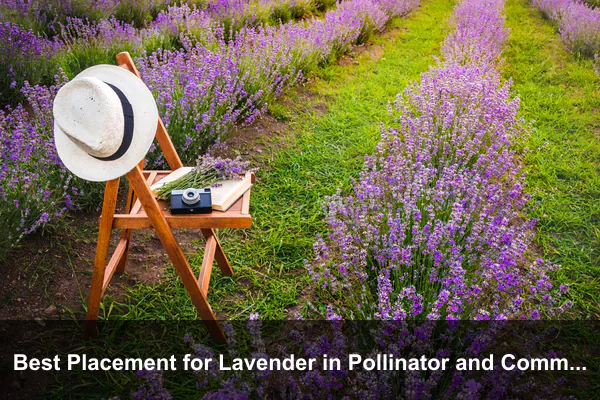
Lavender needs sun, airflow, and drainage. These three needs shape almost every placement decision. In most gardens, lavender should receive at least six hours of direct sun each day. More sun often means stronger flowering and better fragrance, while too much shade leads to weak growth, fewer blooms, and higher disease risk.
For shared spaces, place lavender where people can enjoy it without constantly stepping over it. Edges of vegetable plots, sunny entrances, herb beds, and low borders near benches can work well. Avoid placing it in the middle of narrow walkways where brushing, trampling, and accidental breakage are likely.
Good companion roles
- Near vegetables: Lavender can help draw pollinators into productive garden areas, especially near squash, beans, and fruiting crops.
- Beside herbs: It pairs well with other sun-loving Mediterranean herbs such as thyme, sage, and oregano.
- Along dry edges: It can make use of sunny spots where lush, thirsty plants may struggle.
- In teaching beds: It provides clear examples of flower structure, scent, drying, pruning, and insect activity.
Lavender should not be crowded by taller plants that shade it or by aggressive spreaders that compete for root space. A clear ring of air around the plant helps reduce fungal problems and keeps the shape attractive.
Soil, Water, and Care for Healthy Lavender
Lavender prefers soil that drains quickly. It often performs better in slightly lean soil than in rich, constantly moist soil. This surprises many beginners because they assume more water and fertilizer always mean better growth. With lavender, too much kindness can cause soft stems, root problems, and fewer flowers.
Soil basics
The best soil for lavender is loose, mineral-rich, and not waterlogged. If the garden has heavy clay, consider raised beds, gravelly amendments, or large containers with drainage holes. Avoid placing lavender where rainwater collects after storms. Roots that stay wet too long are more likely to rot.
Watering rhythm
New lavender plants need regular watering while roots establish. Once established, many types tolerate dry periods better than frequent soaking. Water deeply but less often, and let the upper soil dry before watering again. Containers dry out faster than ground beds, so they need closer observation, especially during hot weather.
Pruning for long-term value
Pruning keeps lavender compact and productive. After flowering, remove spent stems and lightly shape the plant. Avoid cutting deeply into old woody stems that have no green growth, because many lavender plants do not regrow well from bare wood. A little consistent pruning is better than waiting until the plant becomes large, woody, and open in the center.
How to Harvest Lavender Without Weakening the Plant
Harvesting is one of the most satisfying lavender plant benefits, but timing matters. For dried bundles, cut flower stems when many buds are colored but not fully open. This helps preserve scent and appearance. Use clean scissors or pruners, and cut above leafy growth so the plant can continue growing.
Responsible harvest rules
- Harvest only from healthy, unsprayed plants.
- Leave plenty of flowers for pollinators, especially in shared wildlife-friendly beds.
- Do not strip leaves or cut into old bare wood.
- Dry stems in small bundles in a shaded, airy place.
- Label harvested lavender if it is intended for culinary or craft use.
In community gardens, it helps to set a harvest policy. For example, one bed may be left mostly for pollinators, while another may be used for supervised harvest workshops. This prevents overcutting and keeps the plant useful for both people and insects.
Safe and Practical Ways to Use Lavender
Lavender can be used in many household and garden activities, but it should be handled with common sense. Dried flowers may be used in sachets, drawer fresheners, wreaths, simple herbal crafts, and decorative bundles. Food uses require a culinary-safe lavender variety and clean growing conditions. Essential oil is highly concentrated and should not be treated the same as the fresh plant.
Simple non-medical uses
- Dried bundles for closets, craft rooms, or seasonal displays.
- Small sachets for drawers or linen storage.
- Garden markers or educational samples for herb workshops.
- Pollinator observation activities for children and beginner gardeners.
- Limited culinary use in sugar, tea blends, or baked goods when using edible lavender grown safely.
People with allergies, asthma, sensitive skin, pregnancy concerns, or medical conditions should be cautious with scented plants and concentrated oils. Pets and young children should not be allowed to chew lavender or access essential oils. Responsible use protects the value of the plant and avoids overstating its benefits.
Common Problems and Realistic Fixes
Lavender problems usually come from unsuitable growing conditions rather than bad luck. If the plant looks weak, the first questions should be about sun, drainage, airflow, watering, and pruning.
Yellowing leaves
Yellow leaves may indicate overwatering, poor drainage, or overly rich soil. Check whether the soil stays wet for too long. If drainage is poor, move the plant to a raised area or container rather than adding more fertilizer.
Few flowers
Low flowering often comes from too much shade, excessive nitrogen, or lack of pruning. Move the plant to a sunnier position if possible, reduce feeding, and prune lightly after bloom to encourage a better shape.
Woody, open center
Older lavender naturally becomes woody. Regular light pruning slows this process, but neglected plants may not recover from hard cutting. If a plant is very woody and sparse, replacing it may be more practical than forcing it back into shape.
Designing a Unique Lavender Planting Plan
To keep lavender plant benefits and information practical, think of the plant as part of a small garden system. A strong plan includes bloom sequence, access, harvest use, and maintenance responsibility. This is especially important in community gardens, where many people may interact with the same planting.
Sample layout idea
Create a sunny pollinator strip with lavender as the middle-season anchor. Add early-blooming flowers at one end and late-blooming plants at the other. Place stepping stones or a narrow service path beside the strip so people can harvest or prune without compacting the soil. Keep labels simple and durable, especially if the garden is used for education.
Good planning questions
- Will this lavender be mainly for pollinators, harvest, decoration, or teaching?
- Who is responsible for pruning after flowering?
- Is the soil dry enough, or does the site need a raised bed?
- Will the mature size block paths or shade smaller herbs?
- How much of the bloom should be left for insects?
These questions help gardeners avoid common mistakes and create a lavender planting that stays useful beyond the first season.
Conclusion
Lavender plant benefits and information become more meaningful when the plant is seen as part of a living garden system. Its fragrance and flowers are appealing, but its deeper value comes from pollinator support, low-waste harvests, educational use, and its ability to bring structure to sunny garden spaces. For people interested in practical plant benefits, lavender shows how one herb can serve beauty, ecology, and daily usefulness at the same time.
The key is to grow lavender honestly and responsibly. Give it sun, drainage, airflow, and moderate care. Choose the right type for the climate. Harvest without taking every flower. Use the plant safely, especially around children, pets, sensitive people, and food. With these habits, lavender can become more than a fragrant border. It can be a durable, productive, and community-friendly plant that supports both gardeners and the small beneficial life around them.
