
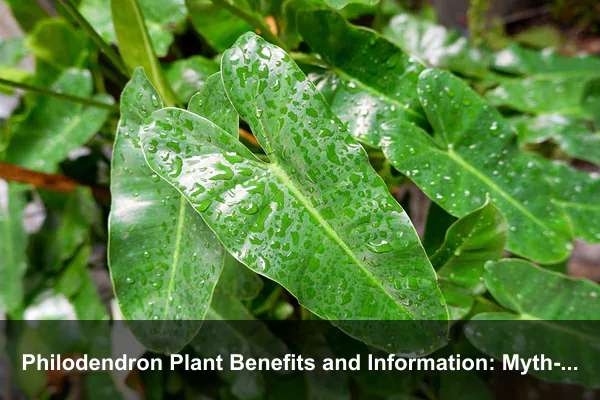
Philodendrons are popular houseplants for good reason: they bring bold foliage, flexible styling, and a tropical feeling into ordinary rooms without demanding complicated daily care. Yet the best way to understand Philodendron plant benefits and information is not to treat every plant with a heart-shaped leaf as the same. Philodendron is a large and varied group, and the plant in your living room may behave very differently from the one climbing a moss pole in a nursery display.
This guide takes a myth-free, identification-focused angle. Instead of repeating generic care advice, it explains what philodendrons realistically do for indoor spaces, how to tell common growth types apart, why correct labeling matters, and how to care for them responsibly. For readers interested in Manfaat Tanaman, or plant benefits, the goal is simple: choose a philodendron that fits your home, enjoy its visual and wellness value, and keep it healthy without wasteful habits or exaggerated claims.
Why Philodendrons Deserve a Closer Look
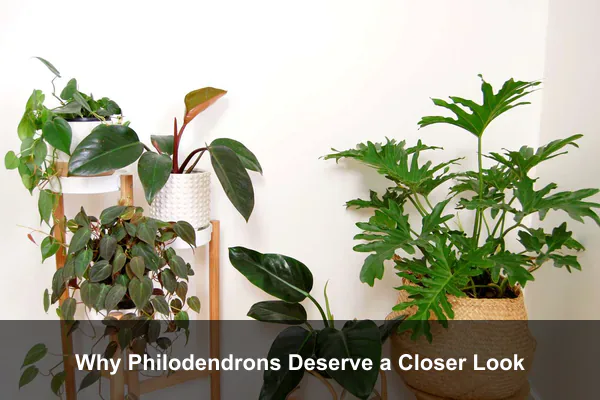
The word Philodendron comes from Greek roots often understood as tree-loving, which makes sense because many species naturally climb, creep, or grow beneath forest canopies. In homes, that background shows up in their preference for filtered light, moderate warmth, and steady but not soggy moisture. Their large leaves, visible growth changes, and forgiving nature make them useful for both beginners and experienced plant owners.
Philodendrons are often grouped with pothos, monstera, and other aroids in casual conversation. They do share family traits, but they are not interchangeable. A heartleaf philodendron trails softly, while a self-heading philodendron can form a strong upright rosette. A climbing type may need a support pole to mature, while a compact cultivar may stay suitable for tables and shelves for years.
The main benefit of learning this distinction is practical. When you understand the plant’s growth habit, you can place it better, water it more accurately, and avoid buying a plant that will quickly outgrow its intended space. That is a more sustainable kind of plant ownership than simply collecting attractive leaves without understanding their long-term needs.
Real Benefits of Philodendron Plants Indoors
Philodendrons offer several indoor benefits, but they should be presented accurately. They are not magic air purifiers, instant mood cures, or substitutes for ventilation. Their value comes from the way living greenery changes how a room feels, how people interact with space, and how regular plant care can support healthier home routines.
Visual Calm and Biophilic Comfort
One of the most immediate philodendron benefits is visual softness. Broad green leaves can make hard surfaces, screens, shelves, and corners feel less sterile. This is the idea behind biophilic design: people often respond well to natural shapes, organic patterns, and visible living systems. A philodendron does not need to dominate the room to make a difference. Even one healthy plant on a side table can create a calmer visual pause.
Leaf shape matters here. Heart-shaped leaves feel gentle and familiar, while deeply lobed or elongated leaves create a more sculptural impression. Dark green foliage can ground a bright room, and lighter or patterned leaves can brighten shaded corners. These benefits are aesthetic, but they are still meaningful because homes are lived-in environments, not just decorative displays.
Humidity Awareness Without Overclaiming
Philodendrons can help owners notice indoor humidity patterns. Leaves that curl, brown at the edges, or slow down during dry periods may signal that the room is becoming harsh for tropical foliage. This does not mean the plant is controlling the entire home climate, but it can act as a visible reminder to adjust care habits.
For example, grouping plants, keeping them away from hot vents, using a pebble tray correctly, or running a humidifier in very dry seasons may improve conditions for both plants and people. The benefit is not that philodendrons humidify a room dramatically on their own. The benefit is that they make indoor conditions easier to observe.
Low-Mess Greenery for Daily Spaces
Compared with many flowering plants, philodendrons are generally low-mess indoors. They are grown mainly for foliage, so owners do not need to manage spent blooms, pollen-heavy displays, or frequent petal drop. This makes them useful in apartments, offices, bedrooms, and shared living areas where clean surfaces matter.
A healthy philodendron also gives slow, satisfying feedback. New leaves unfurl, vines extend, and stems lean toward light. These small changes encourage observation without requiring intense gardening skill. For busy households, that balance of visible growth and manageable care is one of the strongest practical benefits.
Philodendron Information: Growth Types You Should Know
A major reason philodendron care advice becomes confusing is that different types grow in different ways. Before watering, pruning, repotting, or choosing a location, identify the general growth habit. This single step prevents many common mistakes.
Vining Philodendrons
Vining philodendrons, such as the classic heartleaf type, produce long flexible stems. They can trail from shelves, climb with support, or be pruned to stay bushier. Their benefits include easy styling, simple propagation, and strong adaptability in smaller rooms.
These plants are often ideal for beginners because they show clear signs when they need attention. Limp leaves may mean watering is overdue, sparse growth may mean light is too low, and long bare stems may suggest the plant needs pruning or a brighter position. The key is to avoid letting vines become neglected simply because the plant still survives.
Climbing Philodendrons
Some philodendrons are more satisfying when allowed to climb. With proper support, their leaves may become larger and more mature over time. A moss pole, plank, or sturdy trellis can help the plant express its natural growth pattern. This is different from simply letting stems hang down.
Climbing types are useful when you want vertical greenery without filling the floor with large pots. However, they need planning. The support should be installed early, the pot should be stable, and the plant should have enough light for compact growth. If support is added too late, stems may be awkward to train and easier to damage.
Self-Heading Philodendrons
Self-heading philodendrons grow more upright and compact, forming a central crown or dense cluster of leaves. These plants often work well as floor accents, low cabinet plants, or statement foliage in bright indirect light. They may not trail or climb dramatically, but they can create strong architectural presence.
The main care issue with self-heading types is space. A plant that looks compact at purchase can widen over time. Before buying one, think about the mature spread, not just the current nursery size. This is especially important in narrow hallways, desks, or crowded shelves.
How to Identify a True Philodendron Before Buying
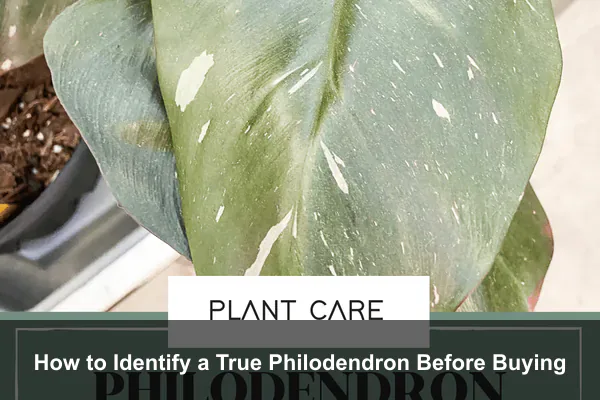
Many houseplants are sold under casual names, and mislabeling is common in busy plant shops. Learning a few identification habits helps you choose the right plant and avoid care confusion. You do not need to become a botanist, but you should look beyond the front-facing leaf.
Read the Label Carefully
A useful label should include the genus and, when possible, the species or cultivar name. For example, a tag that says only green plant or tropical foliage is not very helpful. A tag that says Philodendron hederaceum, Philodendron Birkin, or Philodendron Brasil gives you a better starting point for research.
Labels can still be wrong, especially for trendy cultivars, so use them as clues rather than final proof. If the plant is expensive, rare, or variegated, ask the seller for more details. Responsible sellers should be able to explain basic care, growth habit, and whether the plant was tissue-cultured, locally propagated, or imported.
Compare Leaves, Stems, and Growth Pattern
Do not identify a philodendron by one leaf alone. Many young aroids look similar. Instead, examine several features together:
- Leaf arrangement: Notice whether leaves emerge along a vine, from a central crown, or from climbing stems.
- Stem texture: Look at the thickness, spacing, and flexibility of the stems.
- New growth: Observe how new leaves unfurl and whether the plant produces cataphyll-like protective structures.
- Root behavior: Check for aerial roots on climbing or vining types.
- Overall habit: Decide whether the plant wants to trail, climb, or stand upright.
This approach reduces the risk of treating a philodendron like a pothos, monstera, or scindapsus with different expectations. The more accurately you identify the plant, the better you can match care to its actual behavior.
Avoid Buying Only for Trend Names
Philodendrons can become trend-driven, especially variegated or unusual cultivars. Trend names can be useful, but they can also lead to impulse purchases. A rare-looking plant is not automatically a better plant for your home. Some are slower, more light-sensitive, more expensive to replace, or less stable in their variegation.
A responsible purchase starts with questions: Do you have enough light? Is the plant safe from pets and children? Will the mature size fit the room? Can you provide support if it climbs? If the answer is no, a common green philodendron may deliver more long-term value than a delicate collector plant.
Care Basics That Match Philodendron Biology
Good philodendron care is not about strict schedules. It is about reading the plant and understanding its tropical understory background. Most indoor philodendrons prefer bright filtered light, airy potting mix, moderate watering, and warm stable temperatures.
Light: Bright but Filtered
Most philodendrons grow best in bright indirect light. Near an east-facing window, a few feet from a bright south or west window, or beside sheer curtains can work well. Too little light causes slow growth, small leaves, and long gaps between nodes. Too much direct sun can scorch leaves, especially on thin-leaved or variegated types.
Light also affects watering. A plant in brighter light uses water faster than one in a dim corner. This is why fixed watering calendars often fail. Two identical philodendrons can need different watering routines if one sits near a window and the other sits far inside a room.
Watering: Moisture Balance, Not Constant Wetness
Philodendrons generally prefer the potting mix to dry slightly between waterings. The top layer can feel dry while deeper roots still have moisture. Before watering, check the mix with your finger or a moisture meter, and pay attention to pot weight. Water thoroughly when needed, then let excess water drain away.
Overwatering is one of the most common problems. It usually means watering too often, using a dense mix, leaving the pot in standing water, or keeping the plant in low light where the soil dries slowly. Yellowing leaves, soft stems, sour-smelling soil, and fungus gnats can all suggest that the root zone is staying too wet.
Soil: Air Around the Roots
Because many philodendrons have aroid-like root needs, they usually appreciate a chunky, well-draining potting mix. A practical blend may include indoor potting soil, orchid bark, perlite, coco chips, or other airy amendments. The exact recipe matters less than the result: water should pass through, but the mix should not dry like dust within hours.
A heavy garden soil is not suitable for pots indoors. It can compact, hold too much water, and reduce oxygen around the roots. Healthy roots need moisture and air. When the potting mix supports both, the plant becomes easier to care for and more resilient.
Fertilizer: Modest Feeding During Growth
Philodendrons do not need aggressive feeding. During active growth, a balanced diluted houseplant fertilizer can support new leaves. In cooler or darker months, reduce feeding because the plant may slow down. Fertilizing a stressed or overwatered plant rarely solves the real problem.
Watch for signs of excess fertilizer, such as crusty soil surface, brown leaf tips, or sudden root stress. Flushing the pot occasionally with clean water can help remove mineral buildup, provided the pot drains well. Simple, consistent feeding is better than chasing fast growth.
Safety, Pets, and Realistic Home Placement
Philodendrons are beautiful, but they are not edible houseplants. Like many aroids, they contain calcium oxalate crystals that can irritate the mouth, throat, and digestive system if chewed. This is important for homes with cats, dogs, small children, or curious visitors.
Where to Place Philodendrons Safely
Safe placement depends on your household. A trailing plant on a low shelf may be tempting to pets. A floor plant may be reachable by toddlers. A climbing plant may drop older leaves where animals can chew them. Think practically before styling the plant.
Better placement options may include high shelves, wall-mounted planters, plant stands away from traffic, or rooms that pets cannot access. If a pet has a history of chewing plants, choose a different plant type or keep philodendrons completely out of reach. Plant benefits should never come at the cost of preventable safety risks.
Handling and Pruning Safety
Some people experience mild skin irritation from plant sap. When pruning or propagating, use clean tools and consider wearing gloves. Wash your hands afterward, and keep cuttings away from children and animals. Do not place fresh cut stems on kitchen counters where food is prepared.
These precautions are simple, but they make indoor gardening more responsible. A philodendron can be an excellent houseplant as long as it is treated as ornamental foliage, not as a plant for tasting, tea, or medicinal use.
Low-Waste Philodendron Care and Maintenance
A sustainable approach to philodendron care focuses on keeping the plant healthy for years rather than replacing it often. This fits well with the broader idea of Manfaat Tanaman: plants are most beneficial when they are cared for as living companions, not disposable decorations.
Choose the Right Pot From the Start
Do not rush to move a new philodendron into a huge pot. Oversized containers can hold excess moisture and increase root problems. A pot only slightly larger than the current root ball is usually safer. Drainage holes are strongly recommended because they allow thorough watering without leaving roots submerged.
Material also matters. Plastic pots retain moisture longer, while terracotta dries faster. Decorative cachepots can look clean, but they should not trap water around the nursery pot. After watering, remove any collected water from the outer container.
Prune for Shape and Plant Health
Pruning is useful for controlling size, encouraging fuller growth, and removing damaged leaves. Use clean scissors or pruners, cut just above a node when trimming vines, and avoid removing too much foliage at once. For upright plants, remove old or damaged leaves close to the base without cutting into the main growing point.
Healthy cuttings from vining types can often be rooted and shared, but propagation should be purposeful. Creating more plants than you can maintain may lead to waste. A better approach is to root a few strong cuttings, label them, and share them with people who understand basic care and safety.
Clean Leaves Without Harsh Products
Philodendron leaves collect dust, especially in urban homes or near open windows. Dust can make foliage look dull and may reduce light reaching the leaf surface. Wipe leaves gently with a soft damp cloth. Avoid heavy leaf-shine products, oils, or homemade coatings that can clog surfaces or attract more dust.
For large collections, rotate cleaning tasks instead of trying to clean every plant at once. Regular small maintenance is easier than rescuing neglected foliage later. It also helps you notice pests, dry soil, or yellowing leaves early.
Common Problems and What They Usually Mean
Philodendrons are forgiving, but they still communicate stress. The trick is to interpret symptoms in context. A yellow leaf does not always mean the same thing. It may be natural aging, overwatering, underwatering, low light, root stress, or recent relocation.
Yellow Leaves
One older yellow leaf near the base can be normal. Several yellow leaves at once require investigation. Check soil moisture, drainage, light level, and root condition. If the soil is wet for many days, reduce watering and improve aeration. If the plant is very dry and limp, water thoroughly and adjust your routine.
Brown Tips or Edges
Brown tips may come from dry air, inconsistent watering, fertilizer buildup, or previous stress. Trim only the dead tissue if the appearance bothers you, but do not remove large amounts of healthy leaf. More importantly, correct the cause. Check humidity, watering pattern, and mineral buildup in the potting mix.
Leggy Growth
Long spaces between leaves often mean the plant wants more light. Move it gradually to a brighter indirect location. For vining types, prune back long bare stems and use healthy cuttings to create a fuller pot if appropriate. A support pole may also help climbing types grow more compactly.
Pests
Philodendrons can attract common houseplant pests such as spider mites, mealybugs, scale, and thrips. Inspect new plants before bringing them near your collection. Look under leaves, around nodes, and near new growth. If pests appear, isolate the plant and treat early with appropriate methods such as rinsing, insecticidal soap, or targeted pest control suitable for indoor plants.
Best Uses for Philodendrons in Different Homes
The right philodendron use depends on space, light, safety, and maintenance style. Instead of asking which philodendron is best overall, ask which one fits your life.
For Apartments
Vining philodendrons are useful in apartments because they can grow on shelves, hangers, or wall supports without taking much floor space. Choose compact pots, prune regularly, and avoid placing trailing stems where they interfere with doors, curtains, or cleaning routines.
For Offices
In offices, philodendrons can soften desks, meeting rooms, and reception areas. Choose durable types with moderate light tolerance. Assign care clearly so plants are not watered by multiple people. Shared spaces need simple routines, not complicated plant experiments.
For Family Homes
In family homes, safety and durability matter. Place philodendrons where children and pets cannot chew them. Choose stable pots that are not easily tipped. Use plants as observation tools by letting children notice new leaves, but teach that ornamental plants are for looking, not tasting.
For Plant Collectors
Collectors may enjoy unusual leaf shapes, color patterns, and growth habits. The key is discipline. Track plant names, sources, care requirements, and pest checks. Responsible collecting values healthy plants and ethical sourcing more than fast accumulation.
Buying Checklist for a Healthy Philodendron
Before bringing a philodendron home, inspect it carefully. A few minutes in the shop can prevent months of frustration. Use this checklist as a practical buying guide:
- Check the leaves: Look for consistent color, firm texture, and no widespread yellowing.
- Inspect the nodes: Watch for pests, webbing, cottony residue, or sticky surfaces.
- Smell the soil: Sour or rotten smells may indicate root problems.
- Test pot weight: Extremely soggy pots can signal poor watering practices.
- Read the label: Confirm the plant name and growth habit when possible.
- Assess the roots: If allowed, check whether roots are healthy, not mushy or severely circling.
- Match your home: Buy for your actual light, space, and safety needs.
Once home, give the plant time to adjust. Keep it separate from other plants for a short observation period, avoid immediate heavy repotting unless necessary, and let it acclimate to the new environment. Many problems begin when a new owner changes too many things at once.
Philodendron Myths to Leave Behind
Because philodendrons are so common online, myths spread quickly. Clear information helps owners enjoy the plant without unrealistic expectations.
Myth: Philodendrons Purify All Indoor Air
Philodendrons, like many plants, have been discussed in relation to air quality, but a normal home is not a sealed laboratory. A few plants will not replace ventilation, cleaning, filtration, or source control. Their realistic benefit is visual comfort and engagement with indoor nature, not complete air purification.
Myth: More Water Means More Tropical Growth
Tropical does not mean swampy. Many philodendrons want moisture and oxygen around their roots. Constant wetness can cause decline. Water according to light, potting mix, temperature, and plant size.
Myth: Rare Philodendrons Are Always Better
Rare plants can be fascinating, but common philodendrons are often more reliable, affordable, and adaptable. A thriving common plant usually brings more daily benefit than an expensive plant struggling in unsuitable conditions.
Myth: All Philodendrons Stay Small Indoors
Some remain compact, while others climb, spread, or develop large leaves with support and time. Always research mature size before buying. Indoor plants may grow slowly, but they still grow.
Conclusion: The Best Philodendron Benefit Is a Better Plant Relationship
The most useful way to understand Philodendron plant benefits and information is to look beyond the label of easy houseplant. Philodendrons can improve the look and feel of indoor spaces, support calmer routines, teach observation, and bring long-lasting greenery into homes, apartments, and offices. Their benefits are strongest when they are chosen thoughtfully and cared for realistically.
A good philodendron owner learns the plant’s growth habit, provides bright filtered light, waters with attention, uses airy soil, and respects safety around pets and children. Whether you choose a simple heartleaf vine or a bold upright cultivar, the goal is not to chase trends. The goal is to create a healthy match between plant, person, and place. That is where the real value of philodendrons begins.
