

Hydrangeas are often admired for their generous flower heads, but their value goes far beyond a pretty summer display. A well-placed hydrangea can soften shaded corners, make damp garden areas feel intentional, support more balanced outdoor design, and help gardeners read soil and moisture conditions more clearly. This guide to Hydrangea plant benefits and information focuses on a fresh angle: how hydrangeas work as practical, landscape-friendly flowering shrubs for real home gardens.
Instead of treating hydrangeas only as decorative blooms, it is useful to see them as long-lived plants with structure, seasonal rhythm, and site-specific benefits. They are especially valuable where full-sun flowers struggle, where a garden needs layered height, or where a homeowner wants ornamental beauty without creating a high-maintenance planting scheme.
Why Hydrangeas Are Useful Beyond Their Flowers
The first benefit of hydrangeas is their ability to bring color and volume into areas that many flowering plants cannot handle. Many varieties grow best in morning sun with afternoon shade, making them excellent choices for the east side of a house, under high tree canopies, near fences, or along shaded garden paths.
Hydrangeas also provide strong visual structure. Their broad leaves and rounded or cone-shaped blooms can make a garden feel fuller, cooler, and more settled. In the context of manfaat tanaman, or plant benefits, hydrangeas offer beauty, comfort, and practical design value rather than direct edible or medicinal use.
Key everyday benefits
- Shade-friendly color: Hydrangeas add bloom interest where many sun-loving flowers fade or fail.
- Landscape softness: Their large leaves and full form reduce the harsh look of walls, fences, and bare corners.
- Seasonal interest: Flowers often age beautifully, changing texture and tone as the season progresses.
- Moisture awareness: Wilting leaves quickly show when soil is too dry, helping gardeners adjust watering habits.
- Long-term value: With the right placement, hydrangeas can return for many years with moderate care.
Best Hydrangea Types for Different Garden Goals
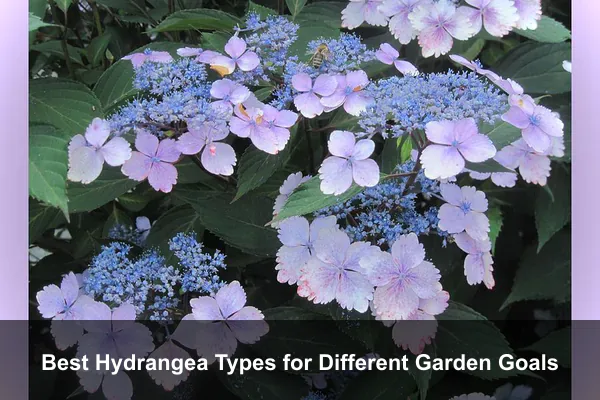
Choosing the right type is the most important step. Hydrangeas are not all the same, and their benefits depend heavily on species, variety, climate, pruning needs, and planting location.
Bigleaf hydrangea
Bigleaf hydrangea (Hydrangea macrophylla) is famous for mophead and lacecap flowers. It is a strong choice for sheltered gardens with partial shade and consistent moisture. Some varieties respond to soil pH, producing bluer tones in more acidic soil and pinker tones in more alkaline soil. This color response is interesting, but it should be seen as a soil clue rather than the only reason to grow the plant.
Panicle hydrangea
Panicle hydrangea (Hydrangea paniculata) is often more sun-tolerant and cold-hardy than bigleaf types. Its cone-shaped flowers make it useful for borders, foundation plantings, and gardens that need height without looking too formal. Many panicle varieties bloom on new wood, which can make pruning more straightforward for beginners.
Smooth and oakleaf hydrangeas
Smooth hydrangea (Hydrangea arborescens) can be a dependable option for naturalistic gardens, while oakleaf hydrangea (Hydrangea quercifolia) brings additional value through bold leaf shape and attractive fall color. Oakleaf types are especially useful when a garden needs texture even after the main bloom season ends.
Soil, Water, and What Hydrangeas Can Teach Gardeners
Hydrangeas are excellent plants for learning how soil and water behave in a garden. They prefer soil that holds moisture but still drains well. Constantly dry soil causes stress, while soggy soil can lead to root problems. This balance makes them good teacher plants for beginner and intermediate gardeners.
Healthy soil basics
The best soil for hydrangeas is rich in organic matter. Compost, leaf mold, and aged mulch help improve moisture retention while supporting better soil structure. Heavy clay may need organic improvement, while sandy soil may need more frequent watering and mulching.
- Check whether water disappears too quickly or sits on the surface too long.
- Add compost to improve soil texture before planting.
- Mulch around the root zone, keeping mulch away from the stem base.
- Water deeply instead of sprinkling lightly every day.
- Observe leaves during hot afternoons before assuming the plant is failing.
Understanding wilt signals
Hydrangea leaves may droop in heat even when the soil is not fully dry. If the plant recovers in the evening, it may simply be reacting to temporary heat stress. If it stays wilted overnight or the soil feels dry several inches down, deep watering is needed. This habit of observation helps prevent both underwatering and overwatering.
Using Hydrangeas in Shade and Rain-Ready Garden Design
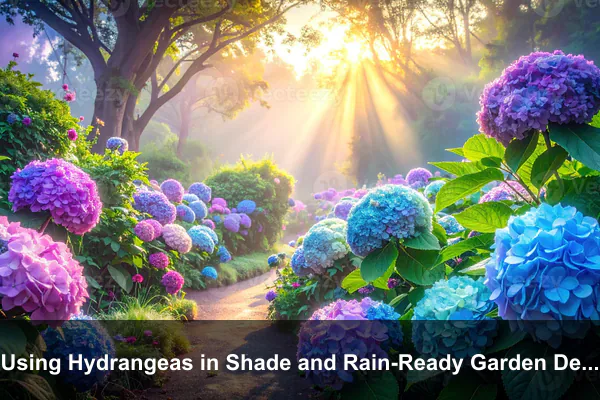
Hydrangeas are especially useful in gardens designed for comfort, shade, and seasonal calm. Their foliage can visually cool a space, while their blooms brighten areas that might otherwise feel flat. This makes them valuable near patios, entry paths, side yards, and quiet seating areas.
Smart placement ideas
- Along shaded paths: Hydrangeas create a soft edge without needing constant replanting.
- Near downspout areas: They may suit moist zones if drainage is still good and roots are not waterlogged.
- Under open tree canopies: Filtered light can support healthy growth without harsh afternoon sun.
- Beside fences: Their rounded form can reduce visual hardness and add privacy at a human scale.
For rain-ready design, hydrangeas should not be placed in standing water. They work better at the edge of moist garden zones, where soil stays evenly damp but oxygen can still reach the roots. Pairing them with mulch and nearby groundcovers can also reduce water loss and keep the planting bed more stable.
Safety, Pets, and Responsible Home Use
Hydrangeas are ornamental plants, not edible herbs. Leaves, buds, and flowers can be toxic if eaten by people or pets because hydrangeas contain compounds that may cause stomach upset and other symptoms. This does not mean hydrangeas are unsafe to grow, but placement matters.
Families with curious children, dogs, or cats should plant hydrangeas where they can be admired without being chewed. Avoid using hydrangea flowers as food decoration, herbal tea material, or homemade medicine. Some hydrangea species have a history in traditional herbal contexts, but self-treatment is not recommended and can be risky.
Simple safety practices
- Wear gloves if you have sensitive skin or are pruning heavily.
- Do not compost diseased plant material if fungal problems are present.
- Keep fallen leaves and pruned stems away from pets that chew plants.
- Teach children that hydrangeas are for looking, not tasting.
Low-Waste Hydrangea Care Through the Seasons
A sustainable hydrangea routine is less about constant feeding and more about correct placement, soil care, and thoughtful pruning. Over-fertilizing can lead to leafy growth with fewer blooms, while poor pruning can remove flower buds on types that bloom on old wood.
Spring
In spring, remove dead wood, refresh mulch, and check for winter damage. Avoid aggressive pruning until you know whether your hydrangea blooms on old wood, new wood, or both. Bigleaf hydrangeas often need more careful pruning than panicle hydrangeas.
Summer
During summer, focus on deep watering, especially during dry periods. Water at the soil level to reduce leaf disease. Deadheading can keep the plant tidy, but leaving some aging blooms can add texture and natural beauty.
Autumn and winter
In autumn, allow the plant to slow down naturally. Some dried flower heads can remain for winter interest, especially in informal gardens. In colder regions, mulch can help protect roots. Avoid late heavy fertilizing, as it may encourage tender growth before cold weather.
Common Mistakes That Reduce Hydrangea Benefits
Many hydrangea problems come from forcing the plant into the wrong conditions. The right plant in the right place will always perform better than a stressed plant corrected with constant products.
- Too much afternoon sun: Leaves scorch, flowers fade quickly, and watering demand rises.
- Poor drainage: Roots suffer when soil remains wet and airless.
- Wrong pruning time: Cutting old-wood bloomers too hard can remove next season’s flowers.
- Ignoring mature size: Crowded hydrangeas need more pruning and may lose their natural shape.
- Expecting every hydrangea to change color: Soil pH affects some bigleaf types, not all hydrangeas.
Conclusion: A Practical Flowering Shrub With Lasting Garden Value
Hydrangeas deserve their popularity, but their real value is bigger than dramatic blooms. They help gardeners bring beauty into shaded spaces, understand soil moisture, design softer outdoor areas, and build a more layered seasonal garden. When chosen carefully and planted in the right location, hydrangeas can become dependable landscape plants rather than short-term decorations.
The most important lesson from this Hydrangea plant benefits and information guide is simple: match the hydrangea to the site. Choose the right type, improve the soil, water deeply, prune according to the variety, and treat the plant as ornamental rather than edible. With that approach, hydrangeas offer years of color, structure, and practical garden benefit.
