
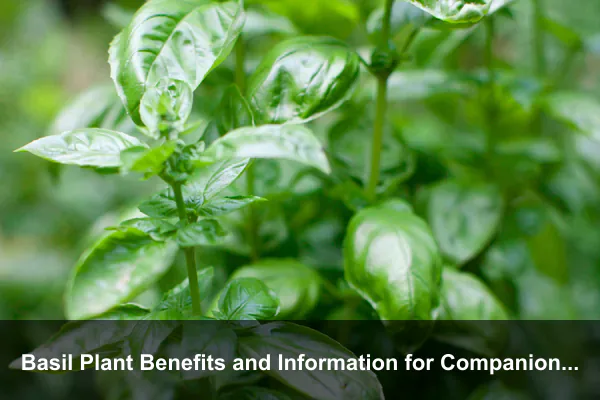
Basil is more than a fragrant herb kept near the stove. In a practical home garden, it can function as a fresh food source, a sensory plant, a pollinator resource, and a useful companion for warm-season vegetables. That broader view makes Basil plant benefits and information especially valuable for gardeners who want an herb that earns its space in containers, raised beds, balcony planters, and small kitchen gardens.
This guide focuses on a distinct angle: how basil supports a pest-smart, food-producing garden without exaggerating its powers. Basil is not a magic shield against every insect, and it should not be treated as a medical cure. Its real value comes from steady leaf harvests, aromatic foliage, edible diversity, garden beauty, and smart placement beside compatible plants.
Why Basil Works as a Companion Herb
Basil belongs to the mint family, but unlike aggressive mint plants, most culinary basil types grow as tender annual herbs with upright stems and manageable roots. This makes them easy to tuck into vegetable beds or containers without taking over the entire planting area. When given warmth, sun, and consistent moisture, basil produces repeated flushes of leaves that can be harvested throughout the growing season.
The Practical Benefits of Basil in a Garden
The strongest basil plant benefits are practical and easy to observe. Fresh leaves add flavor to meals, the plant brings scent and texture to a garden, and flowering stems can attract bees and other visiting insects when allowed to bloom. In a manfaat tanaman context, basil is valuable because it connects food, aroma, simple care, and everyday household use in one compact plant.
- Food value: Fresh basil leaves support homemade meals, sauces, salads, soups, herbal drinks, and garnishes.
- Garden value: Basil adds aromatic foliage and can fill open spaces between larger vegetable crops.
- Pollinator value: Flowering basil can support bees, hoverflies, and other beneficial garden visitors.
- Sensory value: The leaves release a fresh scent when touched, making the plant enjoyable in patios and kitchen gardens.
- Beginner value: Basil grows quickly, responds well to pruning, and clearly shows stress through wilting, yellowing, or flowering.
What Basil Should Not Be Expected to Do
Basil is often promoted online as a plant that repels mosquitoes, protects tomatoes from every pest, or solves common garden problems by scent alone. A more accurate approach is to see basil as part of a mixed planting strategy. Its aroma may confuse some pests in certain settings, but spacing, airflow, soil health, watering, inspection, and plant diversity still matter more than any single herb.
Best Companion Uses in a Kitchen Garden
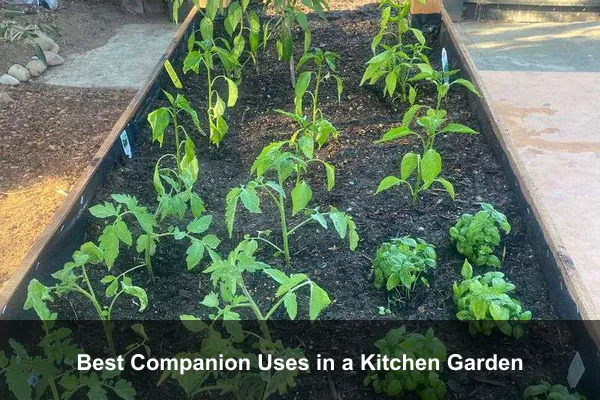
Basil fits naturally into warm-season edible gardens because it enjoys similar conditions to tomatoes, peppers, eggplants, and many annual vegetables. It prefers bright light, warm soil, and regular harvesting. When placed well, basil can use small pockets of space that might otherwise stay bare, helping the garden look fuller while still producing something useful.
Basil with Tomatoes
The tomato-and-basil combination is famous in the kitchen, but it also works well in the garden when spacing is handled correctly. Tomatoes need room for roots and airflow, while basil needs enough sun to avoid becoming weak and stretched. Plant basil near tomatoes, not directly under dense tomato foliage. A distance of about 12 to 18 inches is often enough for small garden layouts, depending on the variety and container size.
This pairing is useful because both crops are harvested often. When you check tomatoes for ripe fruit, you can also pinch basil tips, inspect leaves for pests, and remove any flower buds if your goal is leaf production. The habit of frequent attention is one of the most underrated benefits of companion planting.
Basil with Peppers and Eggplants
Peppers and eggplants also share basil’s preference for warmth and good sunlight. Basil can be planted along the front of a pepper bed or between young plants while they are still small. As the larger crops mature, make sure basil does not become shaded for most of the day. Shaded basil may survive, but it usually produces fewer aromatic leaves and becomes more vulnerable to disease.
Plants That Are Better Kept Separate
Not every herb belongs in the same pot as basil. Rosemary, lavender, and sage prefer drier conditions than basil, so they are usually easier to manage in separate containers. Mint is also better grown separately because its roots spread aggressively. A good companion plant is not only a plant that looks attractive beside basil; it is one that wants a similar watering rhythm, light level, and soil texture.
Planting Plan for Steady Basil Leaves
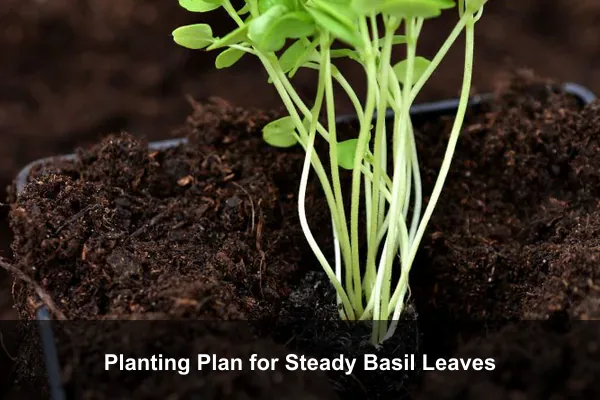
A productive basil plant starts with a simple plan. Basil grows best when it is not treated as a one-time harvest crop. Instead, think of it as a cut-and-come-again herb that rewards steady care. The goal is to keep the plant leafy, compact, and actively growing for as long as the season allows.
Light, Soil, and Water Basics
Basil usually performs best with at least six hours of bright light per day. In very hot climates, a little afternoon shade can prevent wilting and leaf scorch, especially in small pots. The soil should be loose, fertile, and well drained, but not dry like cactus soil. Basil likes consistent moisture without sitting in waterlogged conditions.
For containers, choose a pot with drainage holes and enough room for roots. A tiny decorative pot may look neat for a week, but it dries quickly and limits growth. A container at least 8 to 10 inches deep is more forgiving for one basil plant. In raised beds, mix compost into the planting area and avoid heavy, compacted soil that holds water around the roots.
Pinching for Fuller Growth
One of the most useful pieces of basil plant information is that pruning encourages branching. When the plant has several sets of true leaves, pinch or cut just above a leaf pair. Two new shoots often grow from that point, creating a fuller plant. Repeating this process gives you more harvest points and delays flowering.
- Wait until the seedling is established and has several healthy leaf pairs.
- Use clean scissors or fingertips to remove the top growth above a node.
- Harvest small amounts often instead of stripping the plant bare at once.
- Remove flower buds early if you want tender leaves for cooking.
- Leave one separate basil plant to flower if your goal includes pollinator support.
Succession Planting for Longer Harvests
Basil can become woody, stressed, or eager to flower as the season advances. Instead of relying on one plant forever, sow or buy new seedlings every few weeks during warm weather. Succession planting is especially useful for small households because it keeps young, tender leaves available without forcing one older plant to do all the work.
Pest-Smart Care Without Overpromising
Basil can be part of a pest-smart garden, but the best results come from observation and prevention. Healthy basil has bright leaves, firm stems, and steady new growth. Stressed basil may wilt repeatedly, develop black spots, yellow from the bottom, or flower too early. These signs usually point to problems with water, airflow, soil, temperature, or root space.
Common Basil Problems
Aphids, whiteflies, leaf miners, slugs, and chewing insects may visit basil. Fungal and mildew problems can also appear, especially when plants are crowded or leaves stay wet overnight. Good spacing is a simple but powerful defense. Basil should have enough room for air to move around the stems, particularly in humid climates.
- Aphids: Rinse them off with a gentle spray of water and check new growth often.
- Slugs and snails: Raise pots, clear hiding places, and inspect plants in the evening.
- Leaf spots: Remove affected leaves, improve airflow, and avoid overhead watering late in the day.
- Early flowering: Harvest more often, reduce heat stress where possible, and start replacement plants.
- Yellow leaves: Check drainage, root crowding, nutrient levels, and watering consistency.
Using Flowers Wisely
Many gardeners remove basil flowers because flowering can make leaves smaller or stronger in flavor. That is a good strategy for kitchen harvests. However, basil flowers also have ecological value. A balanced approach is to keep several plants for leaf production and allow one plant to bloom at the edge of the garden. This supports beneficial insects without sacrificing your entire harvest.
Everyday Uses That Make Basil Worth Growing
The best basil plant benefits show up in ordinary routines. A few fresh leaves can change a simple meal, encourage home cooking, and reduce the need for packaged herbs that lose aroma quickly. Basil is also a plant that invites frequent interaction. You smell it, pinch it, water it, and notice its changes, which makes it useful for beginners learning plant care.
Kitchen Uses with Less Waste
Fresh basil is most flavorful when added near the end of cooking or used raw. Heat can dull its aroma, so it is often better stirred into finished pasta, sprinkled over soup, blended into sauces, layered into sandwiches, or mixed into salads just before serving. Lemon basil or kemangi-style basil can be used with fresh vegetables, grilled foods, sambal-inspired dishes, and simple herbal drinks, depending on local taste and tradition.
- Blend extra leaves with oil and freeze in small portions for later cooking.
- Chop basil into yogurt, soft cheese, or plant-based dips for quick snacks.
- Add torn leaves to tomato, cucumber, noodle, or rice dishes.
- Use stems to lightly scent broth, then remove them before serving.
- Dry only surplus leaves, because dried basil is useful but less vibrant than fresh basil.
Sensory and Learning Value
Basil is a strong teaching plant because it responds quickly. Too little water causes visible wilting, pruning leads to branching, and flowering shows how herbs shift from leaf growth to reproduction. For families, schools, and beginner gardeners, basil makes plant care easy to understand without needing a large garden. This educational value is a genuine benefit, even though it is often overlooked in favor of culinary uses.
Variety Choices for Companion Planting
Different basil types can serve different roles in a kitchen garden. Sweet basil is the classic choice for pesto, tomato dishes, and general cooking. Thai basil has a firmer texture and an anise-like note that holds up better in warm dishes. Lemon basil brings citrus fragrance and is common in many Southeast Asian food traditions. Holy basil, also known as tulsi, has cultural and herbal significance, but it should be understood separately from everyday culinary sweet basil.
Choosing by Space and Purpose
If your main goal is leaf harvest, choose compact, productive varieties and pinch them often. If your goal includes pollinators, allow a vigorous plant to flower. If you garden on a balcony, choose a container-friendly variety and place it where you can harvest easily. The best basil is not always the rarest variety; it is the one that matches your cooking style, climate, and available space.
Buying Healthy Basil Plants
When buying basil seedlings, look for sturdy stems, rich green leaves, and no sticky residue or webbing. Avoid plants with blackened stems, heavy flowering, yellow lower leaves, or roots circling tightly around the pot. A slightly smaller, healthy seedling often adapts better than a tall, stressed plant that has been forced in a tiny nursery container for too long.
Safe Use and Realistic Wellness Value
Basil is widely used as a culinary herb, and normal food amounts are suitable for most people. Its leaves contain aromatic compounds and small amounts of nutrients such as vitamin K, but basil should not be marketed as a cure for disease. The safest SEO-friendly way to discuss basil benefits is to focus on food, gardening, aroma, and lifestyle value while being clear about limits.
Food Herb vs. Concentrated Products
Fresh basil leaves in meals are very different from concentrated extracts or essential oils. Essential oils should not be swallowed unless directed by a qualified professional, and concentrated herbal products may not be suitable for everyone. People who are pregnant, preparing for surgery, managing bleeding disorders, taking blood-thinning medication, or dealing with chronic health conditions should ask a healthcare professional before using concentrated basil products.
Children, Pets, and Household Use
Growing basil at home is generally a low-risk activity when children are taught to identify the plant correctly and wash leaves before eating. If pets chew plants, keep containers in a controlled spot and avoid using essential oils around animals without professional guidance. Garden hygiene matters too: use clean scissors, rinse leaves, avoid contaminated soil, and do not harvest from plants treated with chemicals that are not labeled for edible crops.
Quick Basil Companion Planting Checklist
Use this simple checklist to keep basil productive and useful in a companion garden. It helps separate realistic basil plant information from exaggerated claims.
- Give basil bright light, warm conditions, and steady moisture.
- Pair it with tomatoes, peppers, eggplants, or other warm-season crops that enjoy similar care.
- Keep basil separate from dry-loving herbs such as rosemary and lavender.
- Pinch stems above leaf nodes to encourage branching and delay flowering.
- Harvest small amounts often instead of waiting for one large harvest.
- Improve airflow to reduce disease pressure in humid weather.
- Let one plant flower if you want to support pollinators.
- Use fresh leaves quickly for the best aroma and flavor.
Conclusion
Basil earns its place in a home garden because it is useful in more than one way. It offers fresh flavor, aromatic leaves, beginner-friendly feedback, pollinator support, and flexible companion planting value when grown with the right expectations. The key is to treat basil as part of a living kitchen garden system, not as a miracle pest solution or a cure-all herb.
With good light, well-drained soil, regular pinching, and thoughtful placement beside compatible vegetables, basil can stay productive for months. For gardeners exploring Basil plant benefits and information, the most reliable benefit is simple: basil turns a small growing space into a more flavorful, fragrant, and actively used part of daily life.
