
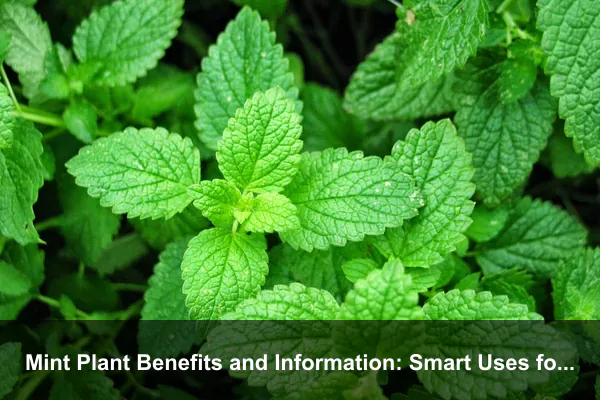
Mint is often introduced to a home garden as a simple kitchen herb, but its real value becomes clearer when you look at where it naturally wants to grow: cool edges, moist soil, containers near paths, and places where a quick brush of the hand releases a clean, refreshing scent. This guide on Mint plant benefits and information takes a different angle from the usual kitchen-use or basic-care article by focusing on how mint can improve damp garden corners, walkway borders, balcony edges, and small outdoor routines when it is grown with control and intention.
Because mint is vigorous, the best results come from treating it as a useful but energetic plant. It can support sensory gardening, help make neglected moist spots more productive, provide fresh leaves for daily use, and add texture to compact spaces. At the same time, it should be managed carefully so it does not spread into beds where it is not wanted. For gardeners interested in manfaat tanaman, or the practical benefits of plants, mint is a strong example of how one herb can offer fragrance, function, freshness, and garden value when placed wisely.
Why Mint Works Well in Damp and Forgotten Garden Spaces
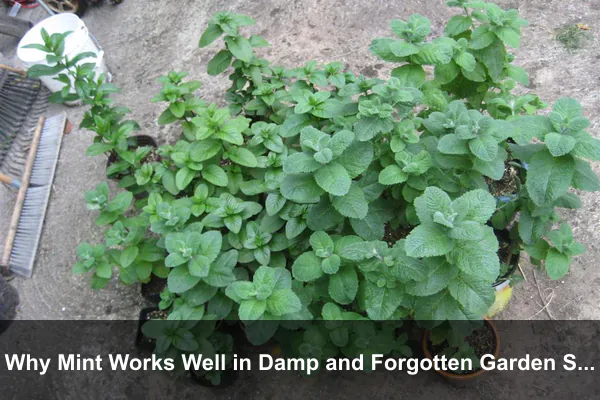
Many plants struggle in soil that stays slightly moist, especially near outdoor taps, shaded walls, patio drains, or low corners where water collects after rain. Mint is different. While it does not like waterlogged soil with no oxygen, it usually performs well in consistently moist, fertile ground. This makes it useful for spaces that are too damp for Mediterranean herbs such as rosemary, thyme, or lavender.
The main reason mint adapts well is its growth habit. Mint produces spreading stems and underground runners that allow it to search for moisture and nutrients. In the right position, this creates a full patch of aromatic foliage that can turn an underused corner into a productive herb area. However, the same habit is also why mint should rarely be planted freely in mixed garden beds without a barrier.
Good Places to Grow Mint Outdoors
Mint can be especially useful in areas where regular herbs dry out too quickly or where ornamental plants look tired. Suitable locations include:
- Near a rain barrel: Mint appreciates the extra moisture and is easy to harvest while watering other plants.
- Beside a shaded patio: It can soften hard edges and add fragrance when people walk past.
- Along a contained path border: A buried pot or edging barrier keeps the plant useful without letting it take over.
- On a balcony with morning sun: A wide container can produce a generous supply of leaves without needing a large garden.
- In a utility corner: Mint can make a plain outdoor work area feel fresher and more alive.
Where Mint Should Not Be Planted
Mint is not the best choice for every spot. Avoid planting it directly into vegetable beds, delicate flower borders, or narrow spaces where you cannot reach the roots. It can compete with slower plants and become difficult to remove once established. If you want mint near other crops, use a pot, trough, raised planter, or root barrier.
Key Mint Plant Benefits for Everyday Outdoor Living
The benefits of mint are practical, sensory, and seasonal. It is not just a plant for recipes; it can change how a small garden feels and how often you interact with it. A healthy mint plant invites quick harvesting, light pruning, leaf inspection, and daily contact with greenery.
Fresh Aroma for Sensory Comfort
One of the most immediate mint plant benefits is its scent. The leaves contain aromatic compounds that release when touched, crushed, or warmed by the sun. This makes mint valuable near paths, seating areas, outdoor sinks, and balcony doors. Unlike heavily perfumed flowers, mint gives a clean herbal fragrance that feels fresh rather than overwhelming.
For sensory gardens, mint is especially useful because it rewards gentle interaction. Children, beginners, and older gardeners can enjoy brushing the leaves, comparing different mint scents, and learning how plant fragrance changes through the day. This makes mint a simple teaching plant as well as a useful herb.
Regular Harvest Without Complicated Care
Mint grows quickly once established, so it can be harvested often. Frequent cutting actually helps the plant stay bushy and prevents long, weak stems. Instead of waiting for one large harvest, gardeners can take small amounts regularly for tea, infused water, fruit salads, sauces, or simple garnish.
The best leaves are usually young, fresh, and fully green. If the plant starts flowering, the leaves may become stronger or slightly less tender. Cutting stems back before full flowering encourages new growth and keeps the plant productive for longer.
Better Use of Small Spaces
Mint is a strong choice for people who do not have a large garden. A single container can produce enough leaves for regular home use. Because the plant grows horizontally as well as vertically, it fills a pot quickly and creates a lush look even in a small area.
For renters or balcony gardeners, mint is also forgiving. It does not require a permanent landscape plan, and it can be moved if the light changes. A container-grown mint plant can sit near a kitchen door, on a stair landing, or beside a small outdoor table.
How to Grow Mint Without Letting It Take Over
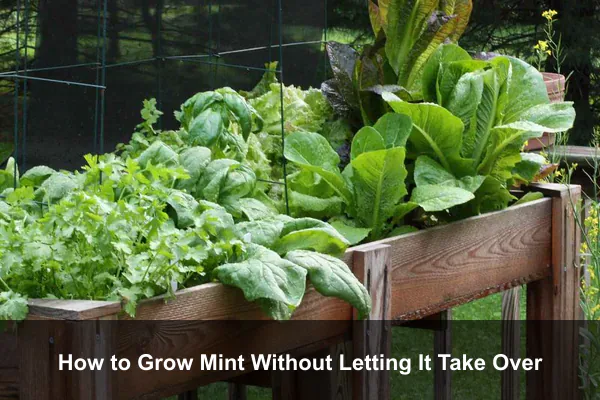
The most important part of mint care is control. Mint is easy to grow, but responsible growing means deciding where its roots are allowed to go. A plant that feels charming in spring can become frustrating by the end of the season if it spreads into lawns, vegetable rows, or ornamental beds.
Use Containers as a Root Boundary
The simplest way to manage mint is to grow it in a container. Choose a pot that is wider than it is tiny, because mint likes room to spread. A container at least 25 to 35 cm wide is usually better than a very small herb pot. Make sure it has drainage holes so the soil stays moist but not sour.
Good container materials include plastic, glazed ceramic, resin, or metal planters with drainage. Terracotta can work, but it dries faster, so it may need more frequent watering in hot weather. If you want to place mint in a garden bed for a natural look, keep it inside a large nursery pot and sink the pot into the soil, leaving the rim slightly above ground.
Choose Soil That Holds Moisture but Still Drains
Mint prefers fertile soil with steady moisture. A general potting mix works well for containers, especially if it contains compost or organic matter. The goal is soil that feels lightly damp after watering but does not stay muddy for days.
If your potting mix dries too fast, add compost or coco coir. If it becomes heavy and compacted, add perlite, coarse sand, or fine bark to improve air flow. Healthy mint roots need both water and oxygen.
Prune Often and Remove Runners
Pruning is not just for appearance. It is a key management habit. Cut stems just above a pair of leaves to encourage branching. Remove thin, tangled, or woody stems so new growth has space. If runners creep over the edge of the pot and touch nearby soil, trim them before they root.
A useful routine is to inspect the plant once a week during active growth. Look for runners, yellow leaves, dry soil, pests, and stems that are becoming too long. This takes only a few minutes but prevents most mint problems before they become serious.
Mint Varieties for Sensory Paths and Damp Corners
There are many types of mint, and each has a slightly different scent, leaf shape, and growth style. For this article, the focus is not on collecting every variety but on choosing the right mint for a practical outdoor purpose.
Peppermint
Peppermint has a strong, cool aroma and is often used for tea and herbal preparations. It usually likes moist soil and partial sun. Because the flavor is intense, a small amount goes a long way. It is a good choice near seating areas where you want a clear, refreshing scent.
Spearmint
Spearmint has a sweeter, softer fragrance than peppermint. It is widely used in drinks, salads, sauces, and simple home recipes. It is often the easiest mint for beginners because the flavor is familiar and versatile. For daily harvesting, spearmint is one of the most practical choices.
Apple Mint
Apple mint has rounded, slightly fuzzy leaves and a gentler scent. Its softer texture makes it attractive in sensory gardens, especially where touch and leaf shape matter. It can grow vigorously, so container control is still important.
Chocolate Mint
Chocolate mint has a deeper scent that many gardeners find interesting. It can be used in drinks and desserts, but its biggest value may be as a conversation plant in a sensory border. Place it where people can easily smell the leaves without stepping into the bed.
Watering, Light, and Seasonal Mint Care
Mint care is simple when you understand its preferences. It likes bright light, steady moisture, and regular cutting. Most problems come from extreme conditions: soil that dries completely, roots that sit in stagnant water, or plants that are allowed to become overcrowded.
Light Requirements
Mint grows best with morning sun and some afternoon protection in hot climates. In cooler areas, it can handle more direct sun. In very hot regions, harsh afternoon sun may scorch leaves or dry containers too quickly. If the plant wilts every afternoon even when watered, move it to a brighter shade or a spot with filtered light.
Indoors, mint needs a very bright window or grow light. Without enough light, stems become long, weak, and pale. Outdoor mint is usually easier to maintain, but indoor mint can work for short-term use if light is strong.
Watering Routine
Water mint when the top layer of soil begins to feel dry. Container mint may need water more often than mint planted in the ground because pots dry faster. During hot weather, check small pots daily. Larger containers hold moisture longer and are usually easier to manage.
Avoid letting the pot stand in a saucer of old water for long periods. Constantly wet roots can lead to poor growth and unpleasant soil smell. The best watering routine keeps the soil evenly moist, then allows excess water to drain away.
Feeding and Soil Renewal
Mint is not a heavy feeder, but container plants benefit from occasional nutrition. Use compost, worm castings, or a balanced diluted fertilizer during active growth. Too much fertilizer can produce large but weak growth with less concentrated aroma, so feed lightly.
Every year or two, refresh container mint by dividing the plant and replacing tired soil. This prevents the pot from becoming a tight mass of roots. Division also gives you new plants to share, relocate, or restart.
Safe and Responsible Mint Use at Home
Mint is widely used as a culinary herb, but safe use still matters. Fresh leaves in normal food amounts are suitable for many people, but concentrated oils, strong extracts, and medicinal use require more caution. This is especially important for children, pregnant people, people with reflux, and anyone taking medication.
Use Leaves Differently From Essential Oil
Fresh mint leaves and mint essential oil are not the same. Leaves are mild when used in food or drinks. Essential oil is highly concentrated and should not be swallowed or applied to skin without proper guidance. Keep essential oils away from children and pets.
For everyday home use, fresh leaves are the safest and most flexible option. Rinse them well, use clean scissors for harvesting, and avoid leaves that have been sprayed with chemicals not labeled for edible plants.
Pet and Family Considerations
Some pets may chew plants, so place mint where animals cannot overconsume it. While a small accidental nibble may not always cause problems, large amounts or concentrated mint products can be risky. If a pet shows unusual symptoms after eating any plant, contact a veterinarian.
For families, mint can be a good plant for teaching children about herbs, smell, and responsible harvesting. Teach them to ask before eating leaves, wash herbs first, and avoid tasting unknown plants from the garden.
Clean Harvesting Habits
Because mint is often eaten fresh, cleanliness is important. Harvest from plants grown away from polluted runoff, pet waste, or treated landscape areas. Rinse leaves under cool water and dry them gently before use. If you grow mint near a path, make sure the plant is not exposed to frequent splashing from dirty surfaces.
Design Ideas: Using Mint as a Sensory Garden Element
Mint can do more than sit in a pot. With thoughtful placement, it can become part of a garden experience. Its scent, texture, and fast regrowth make it useful in designs that invite touch, movement, and repeated harvest.
Mint Near a Walking Path
A container of mint beside a walkway releases fragrance when leaves are brushed. This works especially well near garden gates, patio steps, or the route from the kitchen to the garden. Keep the plant slightly raised or contained so it does not root into cracks or nearby beds.
Mint in a Children’s Learning Corner
Mint is easy for beginners to recognize, smell, and harvest. In a learning corner, it can be paired with other safe edible herbs such as basil, parsley, or chives. Use labels so children can compare leaf shapes and scents. A simple rule such as “smell first, ask before tasting” keeps the activity safe.
Mint Beside Outdoor Water Features
If you have a small fountain, rain chain, or water bowl, mint can visually connect the water feature with surrounding greenery. The plant’s preference for moisture makes it feel natural in that setting. Just keep it in a pot or lined planting pocket to avoid unwanted spread.
Common Mint Problems and Practical Fixes
Mint is tough, but it is not problem-free. Most issues are easy to correct once you identify the cause. Look at the leaves, stems, soil, and pot size before assuming the plant needs fertilizer.
Yellow Leaves
Yellow leaves can come from overwatering, underwatering, poor drainage, old stems, or nutrient shortage. Check the soil first. If it smells sour and stays wet, improve drainage and reduce watering. If it is dusty and dry, water more consistently. Remove old yellow leaves so the plant can focus on fresh growth.
Leggy Growth
Long, thin stems usually mean the plant needs more light or more frequent pruning. Move it to a brighter position and cut stems back above healthy leaf nodes. Within a few weeks, new side shoots should appear.
Brown Leaf Edges
Brown edges can appear when mint dries out, receives too much hot sun, or sits in poor-quality soil. In containers, this is common during hot weather. Use a larger pot, water deeply, and provide afternoon shade if needed.
Pests
Aphids, spider mites, and whiteflies may appear on mint, especially when plants are crowded or stressed. Rinse leaves with water, prune affected stems, and improve air circulation. Avoid harsh sprays if you plan to eat the leaves. If treatment is needed, choose products labeled safe for edible herbs and follow instructions carefully.
How to Harvest Mint for Stronger, Healthier Growth
Harvesting mint correctly improves both the plant and the quality of the leaves. Instead of pulling individual leaves randomly, cut short stems. This encourages branching and keeps the plant compact.
Simple Harvest Method
- Choose healthy stems with clean, green leaves.
- Use clean scissors or garden snips.
- Cut just above a pair of leaves.
- Rinse the harvested stems under cool water.
- Use fresh leaves soon, or store them briefly in a damp towel inside the refrigerator.
For best flavor, harvest in the morning after dew has dried but before strong heat. If you need a larger harvest, avoid removing more than one-third of the plant at once unless you are doing a seasonal cutback.
When to Cut Mint Back Hard
If mint becomes woody, tangled, or tired, cut it back to encourage fresh growth. Leave some healthy nodes so the plant can recover. A hard trim is often useful after flowering or at the end of a growth cycle. Follow with watering and light feeding if the soil is depleted.
Mint Plant Benefits and Information for Sustainable Gardening
Mint can support low-waste gardening when managed well. Instead of buying packaged herbs often, you can harvest small amounts as needed. Instead of discarding tired plants, you can divide and restart them. Instead of leaving damp corners unused, you can turn them into productive herb spaces.
Easy Propagation From Cuttings
Mint roots easily from stem cuttings. Place a healthy cutting in water or moist potting mix, remove the lower leaves, and keep it in bright indirect light. Roots often appear quickly. Once the cutting has a small root system, plant it in a container with fresh soil.
This makes mint useful for sharing among neighbors, teaching plant propagation, or replacing old plants without buying new ones. However, only share healthy, pest-free cuttings, and tell the recipient that mint should be contained.
Composting Mint Trimmings Carefully
Mint trimmings can go into compost, but avoid composting pieces with strong runners or roots if your compost pile does not get hot. Those pieces may survive and spread when compost is used. Dry the trimmings first or dispose of aggressive root sections separately.
Reducing Herb Waste
A living mint plant lets you harvest only what you need. This reduces the chance of buying a bunch of herbs and throwing half away. For households that use mint regularly, one well-managed pot can provide fresher leaves and less packaging waste.
Conclusion: Make Mint Useful, Beautiful, and Controlled
Mint is one of the most rewarding herbs for gardeners who understand its personality. It is fresh, fragrant, productive, and adaptable, especially in damp corners, balcony containers, and sensory garden edges. The key is not to treat mint as a passive plant. Give it moisture, light, pruning, and clear boundaries, and it will repay you with steady growth and daily usefulness.
This guide to Mint plant benefits and information shows that mint can be more than a kitchen garnish. It can improve underused spaces, support hands-on gardening, provide safe everyday leaves, and bring refreshing scent into outdoor routines. Grow it with intention, keep it contained, and mint becomes a practical herbal plant with lasting value for the home garden.
