
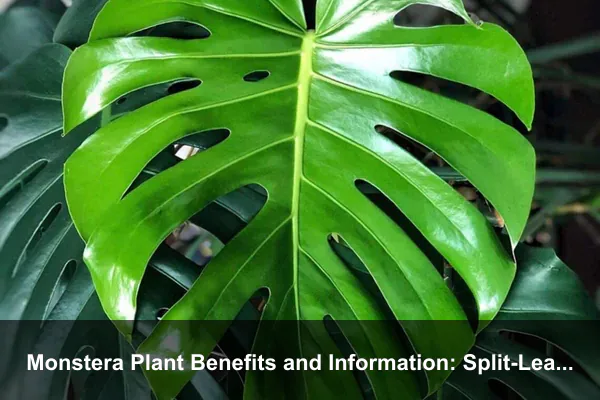
Monstera is one of the most recognizable houseplants in the world, loved for its dramatic split leaves, climbing habit, and ability to make an indoor corner feel instantly more alive. When people search for Monstera plant benefits and information, they are usually looking for more than a pretty plant. They want to know what Monstera actually does for a home, how it grows, whether it is safe, and how to keep it healthy without turning plant care into a complicated routine.
This guide takes a practical angle. Instead of repeating vague claims, it explains the realistic benefits of Monstera, the botanical features that make it unique, and the care decisions that help it thrive indoors. Whether you are placing one in a living room, training it up a moss pole, or choosing your first statement houseplant, Monstera offers beauty, structure, and a rewarding way to bring nature closer to daily life.
What Makes the Monstera Plant Unique?
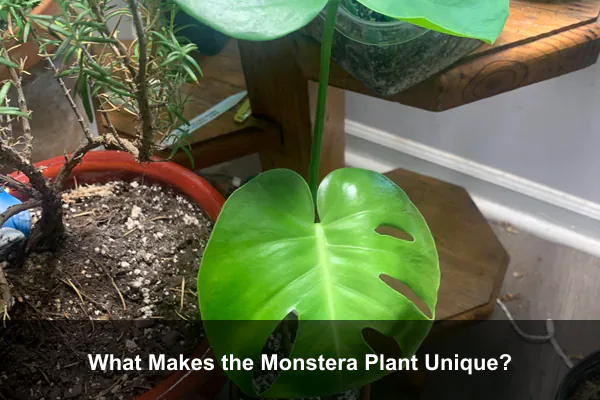
Monstera is often called the Swiss cheese plant because many mature leaves develop natural splits and holes. These openings are known as fenestrations. They are not damage, disease, or a sign that the plant is unhealthy. They are part of the plant’s natural growth pattern, especially when it receives enough light, support, and maturity.
In its native tropical forest environment, Monstera climbs trees using aerial roots. Indoors, that same climbing instinct remains. A young Monstera may begin as a compact tabletop plant, but with time it becomes a bold vertical feature. This growth habit is one reason Monstera feels different from many common indoor plants. It does not simply sit in a pot; it gradually builds height, texture, and movement in a room.
Fenestrated Leaves as a Design Feature
The split-leaf look is the main visual signature of Monstera. Large leaves with deep cuts create interesting shadows, soften hard furniture lines, and add a tropical feeling without needing flowers. For interior styling, Monstera works well because it has a strong shape from a distance and beautiful detail up close.
A Plant That Changes Over Time
One of the best Monstera plant benefits is that it rewards patience. New leaves usually unfurl as soft, lighter green growth before deepening in color. As the plant matures, leaves may become larger and more deeply split. This visible progress makes Monstera satisfying for beginners who want to see their care efforts reflected in the plant.
Practical Monstera Plant Benefits for Indoor Spaces
The benefits of Monstera are mostly practical, visual, and emotional. It is important to be realistic: no single houseplant can replace proper cleaning, ventilation, or humidity control. However, Monstera can still improve the feel and function of a room in meaningful ways.
- Strong visual impact: Monstera creates a focal point without needing bright flowers or heavy decoration.
- Biophilic atmosphere: Its large green leaves help connect indoor spaces with natural forms.
- Flexible styling: It suits modern, tropical, minimalist, bohemian, and natural interiors.
- Rewarding care routine: Watering, pruning, and training the plant can become a calming weekly habit.
- Long-term value: A healthy Monstera can grow for years and become more impressive with age.
Does Monstera Purify the Air?
Monstera, like many green plants, participates in natural gas exchange and can contribute slightly to indoor freshness. However, common air-purifying claims are often overstated. Research on indoor plants is usually done in controlled conditions, while real homes have open doors, ventilation, dust, furniture, and changing airflow. The most reliable way to improve indoor air remains ventilation, cleaning, and reducing pollution sources.
That said, a Monstera can still support a fresher feeling room by adding greenery, increasing visual comfort, and reminding homeowners to care about their indoor environment. Its benefit is less about acting like a machine and more about making the space feel calmer, softer, and more natural.
Wellness Benefits Without Exaggeration
Many people enjoy Monstera because plant care creates a small, repeatable routine. Checking soil moisture, rotating the pot, wiping dust from leaves, and watching new growth can reduce the feeling of a sterile indoor space. These are simple wellness benefits, not medical claims. Monstera will not cure stress, but it can support a more pleasant home environment.
Monstera Plant Information: Types, Growth, and Natural Habit
The name Monstera covers a group of tropical plants, but the most common indoor type is Monstera deliciosa. It is known for large glossy leaves, strong stems, and dramatic fenestration as it matures. Another popular type is Monstera adansonii, sometimes called the Swiss cheese vine, which has smaller leaves with oval holes and a more trailing or climbing habit.
Understanding the type matters because different Monsteras have different space needs. Monstera deliciosa can become large and architectural, while Monstera adansonii is easier to use on shelves, hanging planters, or slim supports. Variegated Monsteras, such as albo or Thai constellation forms, have cream or white patterning but usually need more careful light management because pale leaf sections contain less chlorophyll.
How Monstera Grows Indoors
Monstera grows from nodes along the stem. A node is the point where leaves and aerial roots can form. This is useful information for pruning and propagation, because cuttings need at least one healthy node to grow successfully. Aerial roots may look unusual, but they are normal. They help the plant grip surfaces and search for moisture in its natural habitat.
Why New Leaves May Not Split
Young Monstera leaves are often solid. Fenestrations usually increase as the plant matures and receives proper conditions. If a mature plant keeps producing small, un-split leaves, common causes include low light, lack of climbing support, root stress, or inconsistent watering. The solution is not to cut every plain leaf away. Instead, improve the growing conditions so future leaves develop better.
Essential Monstera Care for Healthy Growth
Monstera is popular partly because it is forgiving, but it is not a plant that should be ignored for months. The best care approach is consistent and moderate. Most Monstera problems come from extremes: too much water, too little light, a pot with poor drainage, or a plant left unsupported as it grows heavy.
Light Requirements
Monstera prefers bright, indirect light. A spot near an east-facing window or several feet from a bright south or west-facing window often works well. Direct harsh afternoon sun can scorch leaves, especially if the plant was previously grown in softer light. On the other hand, deep shade may keep the plant alive but slow growth and reduce leaf size.
Signs of poor light include long spaces between leaves, leaning toward the window, small new leaves, and weak stems. If natural light is limited, a quality grow light can help maintain steady growth.
Watering Tips
Water Monstera when the top portion of the soil feels dry. The exact schedule depends on pot size, temperature, light, soil mix, and humidity. Instead of watering every fixed number of days, use the soil as your guide. Push a finger into the mix or use a moisture meter if you prefer a more measured approach.
- If the top 2 to 3 inches are dry, watering is usually appropriate.
- If the soil still feels wet, wait a few more days.
- If leaves yellow and the soil smells sour, overwatering may be the issue.
- If leaves droop and the soil is bone dry, the plant may need a deep drink.
Soil and Potting Mix
Monstera needs a chunky, well-draining mix that holds some moisture but does not stay soggy. A good indoor aroid mix may include potting soil, orchid bark, perlite, coco chips, or pumice. The goal is airflow around the roots. Dense soil that remains wet for too long can lead to root rot.
Choose a pot with drainage holes. Decorative cachepots are fine if the inner nursery pot can drain fully before being returned. Repot only when needed, usually when roots circle tightly, growth slows, or water runs through too quickly because the pot is root-bound.
Training Monstera With Poles, Pruning, and Support
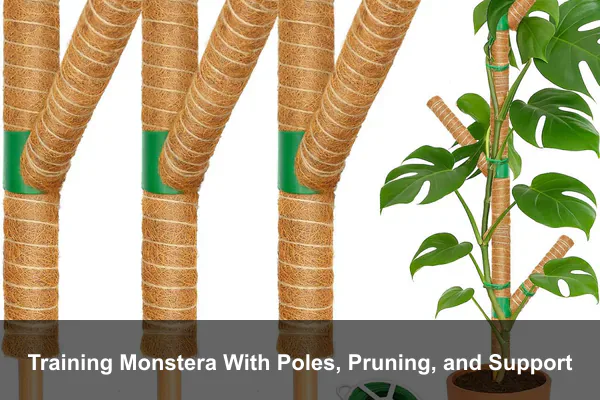
A mature Monstera can become wide, heavy, and unbalanced if it has no support. Training it early helps the plant grow upward instead of sprawling across the floor. This is one of the most overlooked areas of Monstera plant information, especially for new owners who buy a small plant and do not realize how large it can become.
Using a Moss Pole or Support Stake
A moss pole, coco coir pole, cedar plank, or sturdy trellis can guide vertical growth. Tie stems gently with soft plant ties, avoiding tight knots that cut into the plant. Place the support near the main stem and encourage aerial roots to attach over time. Support does not just make the plant look tidier; it can also encourage larger, more mature leaves because the plant is following its natural climbing habit.
Pruning for Shape
Pruning helps control size and remove damaged leaves. Use clean, sharp shears and cut above a node if you want the stem to continue growing. Do not remove too many healthy leaves at once, because leaves are the plant’s energy source. A light seasonal trim is usually better than a severe cutback.
Propagation Basics
Monstera propagation is usually done with stem cuttings. Each cutting should include at least one node, and preferably one leaf. A leaf without a node may stay green in water for a while but will not develop into a full new plant. Cuttings can root in water, sphagnum moss, perlite, or a light potting medium.
- Choose a healthy stem with a visible node.
- Cut with sterilized shears below the node.
- Place the cutting in water or moist propagation medium.
- Keep it in bright, indirect light.
- Transfer to soil after roots are several inches long and branching.
Styling Monstera in the Home Without Overcrowding
Monstera is a statement plant, so it needs breathing room. Placing it in a cramped corner can bend stems, damage leaves, and make the room feel cluttered. The best styling uses the plant’s shape intentionally. Let the leaves spread where they can be seen, but keep walkways, curtains, and furniture edges clear.
Best Rooms for Monstera
A living room, bright bedroom, home office, or covered patio can be suitable if light and temperature are stable. Avoid placing Monstera near cold drafts, heating vents, or air conditioners that blow directly onto the leaves. Sudden temperature shifts can stress the plant and cause brown edges or drooping.
Container and Decor Choices
Because Monstera leaves are visually bold, simple pots usually work best. Neutral ceramic, terracotta, matte black, natural fiber baskets, or clean white planters all pair well with the plant. The container should support the room’s style without competing with the leaves. For a more tropical look, combine Monstera with smaller-textured plants nearby, but avoid crowding plants so tightly that airflow becomes poor.
Safety, Pets, and Common Monstera Problems
Monstera is beautiful, but it is not edible. Like many aroids, it contains insoluble calcium oxalate crystals that can irritate the mouth, lips, and digestive tract if chewed. This matters for homes with cats, dogs, or curious children. Keep the plant out of reach and collect fallen leaves quickly.
Pet Safety Considerations
If a pet tends to chew houseplants, Monstera may not be the best low-level floor plant. Place it on a sturdy stand, in a room pets do not access, or choose a safer plant for pet-heavy areas. If a pet chews Monstera and shows drooling, vomiting, pawing at the mouth, or distress, contact a veterinarian for guidance.
Yellow Leaves, Brown Edges, and Drooping
Monstera problems are usually signals, not mysteries. Yellow lower leaves may be normal aging if it happens occasionally, but frequent yellowing often points to overwatering or poor drainage. Brown crispy edges may come from underwatering, very dry air, salt buildup, or inconsistent watering. Drooping can happen from both dry soil and soggy roots, so always check the soil before reacting.
- Yellow leaves: Check drainage, soil moisture, and root health.
- Brown tips: Review watering consistency and avoid fertilizer buildup.
- Small leaves: Increase bright indirect light and consider adding support.
- Leggy stems: Move the plant closer to a light source or add a grow light.
- Sticky residue or speckling: Inspect for pests such as scale, thrips, or spider mites.
Pest Prevention
Healthy Monsteras can still attract pests, especially in warm indoor conditions. Inspect new plants before bringing them close to existing plants. Wipe leaves regularly with a damp cloth to remove dust and make pest signs easier to spot. If pests appear, isolate the plant and treat early with appropriate methods such as insecticidal soap, horticultural oil, or careful manual removal depending on the pest.
Buying Checklist for a Healthy Monstera
Choosing a healthy plant from the start makes care easier. A bargain plant with hidden root rot or pests can become more expensive than a stronger plant bought at a fair price. When shopping, look beyond leaf size and inspect the full plant.
- Choose leaves with firm texture and natural color, not widespread yellowing.
- Check stems for mushy sections, black spots, or severe damage.
- Inspect leaf undersides for pests, webbing, sticky residue, or tiny moving insects.
- Look at the soil. It should not smell rotten or stay swampy.
- Check whether the pot has drainage holes.
- For variegated plants, make sure there is enough green tissue to support growth.
If you are a beginner, a standard green Monstera deliciosa is usually the most practical choice. It is more affordable, more forgiving, and easier to grow than rare variegated types. Once you understand its light and watering needs, you can decide whether more delicate varieties are worth the extra attention.
How to Get the Most Benefit From a Monstera Plant
To enjoy Monstera fully, treat it as a long-term living feature rather than temporary decor. Give it a bright position, rotate it occasionally, clean the leaves, and provide structure before it becomes tangled. These small habits keep the plant attractive and reduce major problems later.
Monstera works best when its care matches its natural identity as a climbing tropical plant. That means airy soil, moderate watering, bright filtered light, and a vertical support. When these basics are in place, the plant can deliver its best benefits: bold greenery, relaxing care routines, natural interior style, and the satisfaction of watching new leaves unfurl.
Conclusion
Monstera plant benefits and information go beyond the famous split leaves. This plant offers strong visual presence, flexible indoor styling, steady growth, and a rewarding connection to nature at home. Its benefits are most valuable when understood realistically: Monstera is not a miracle air purifier or a maintenance-free object, but it is a beautiful, responsive houseplant that can transform the mood and structure of a room.
With bright indirect light, well-draining soil, careful watering, and proper support, Monstera can grow from a simple indoor plant into a lasting living centerpiece. Keep safety in mind around pets and children, watch for early signs of stress, and allow the plant room to climb and mature. In return, Monstera brings texture, greenery, and a distinctive tropical character that few houseplants can match.
