
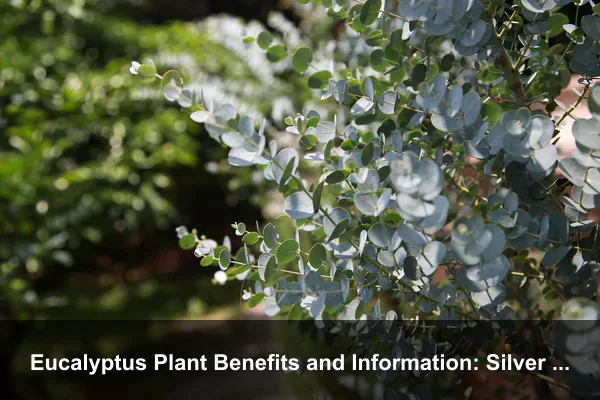
Eucalyptus is often recognized first by its clean scent, but the plant deserves attention for much more than aroma. In gardens and outdoor living spaces, eucalyptus offers silver-blue foliage, peeling bark, fast vertical structure, and a strong architectural presence that few plants can match. This guide explores Eucalyptus plant benefits and information through a fresh angle: how to use eucalyptus as a visual, ecological, and practical landscape plant without treating it as a one-size-fits-all solution.
Because eucalyptus can grow quickly and become large, the best results come from thoughtful placement. A young plant in a pot may look delicate, but many species are naturally trees with vigorous roots, tall canopies, and high light needs. Understanding scale, climate, safety, and local ecology helps you enjoy the benefits of eucalyptus while avoiding common mistakes.
What Makes Eucalyptus Different from Many Garden Plants
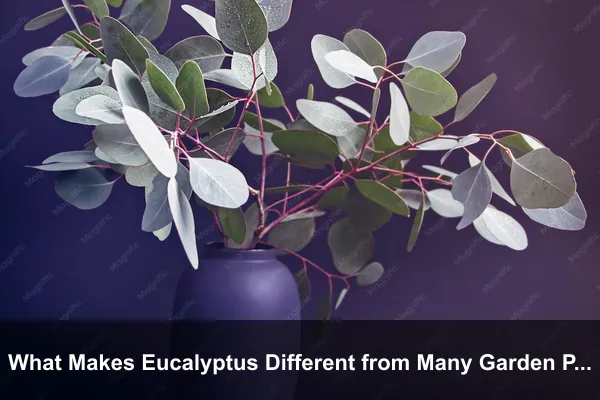
Eucalyptus belongs to a large group of evergreen trees and shrubs, mostly associated with Australia and nearby regions. Depending on the species, it may have rounded juvenile leaves, narrow mature leaves, smooth bark, rough bark, or dramatic strips of peeling trunk texture. This diversity is one reason eucalyptus is popular in landscape design, floral work, and aromatic gardens.
Botanical Snapshot
Most eucalyptus plants are evergreen, meaning they keep foliage through much of the year instead of going fully bare in winter. Their leaves contain aromatic compounds, including cineole in many species, which creates the familiar sharp, fresh scent. The plant also produces nectar-rich flowers that may attract bees, birds, and other pollinators in suitable regions.
Leaf Color, Shape, and Texture
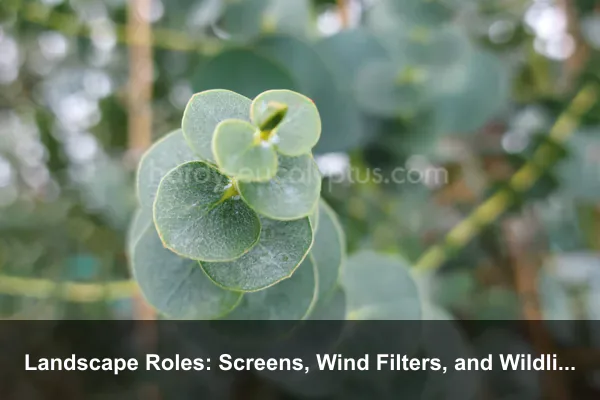
Young eucalyptus leaves are often rounder, softer in color, and more decorative than mature leaves. Many gardeners value this juvenile foliage because it brings a cool silver, blue-green, or gray-green tone into a planting scheme. These colors work well beside dark evergreen shrubs, ornamental grasses, white flowers, and warm-toned stone paths.
Key Eucalyptus Plant Benefits for Homes and Landscapes
The most useful eucalyptus plant benefits are practical rather than magical. Eucalyptus can improve the look, structure, and sensory quality of a garden when it is used in the right place.
- Year-round visual structure: Evergreen foliage can keep a garden from looking empty between flowering seasons.
- Silver foliage contrast: The cool leaf color helps brighten borders and soften hard landscaping.
- Aromatic interest: Leaves release scent when brushed, warmed by sun, or gently handled.
- Fast growth: In suitable climates, eucalyptus can create height more quickly than many ornamental trees.
- Pollinator value: Flowers can provide nectar where eucalyptus is ecologically appropriate.
- Low leaf fuss: Established outdoor plants can be relatively resilient once correctly sited.
Fragrance as a Background Quality
The scent of eucalyptus is best understood as an atmospheric garden feature, not a medical claim. A plant near a walkway, patio edge, or sunny seating area can add a refreshing note to the air, especially when leaves are disturbed. However, the plant itself should not be promoted as a cure for breathing problems, colds, or illness.
Landscape Roles: Screens, Wind Filters, and Wildlife-Aware Planting
One of the strongest uses of eucalyptus is as a vertical landscape element. In spacious gardens, the plant can act as a screen, backdrop, wind filter, or focal tree. Its upright habit and pale foliage can make a garden feel more open, especially when compared with dense, dark conifers.
Privacy and Wind Moderation
Fast-growing eucalyptus can help soften exposed garden edges, but it should be planted with realistic spacing. A tree that looks neat at one meter tall may become difficult to manage if placed too close to walls, drains, roofs, power lines, or narrow paths. For small gardens, container growing or regularly coppiced forms are usually more practical than full-size trees.
Wildlife Value Depends on Location
In native or compatible regions, eucalyptus flowers may support nectar-feeding wildlife. In other regions, eucalyptus can behave poorly if planted carelessly, especially where local ecosystems are sensitive. Before planting, check whether the species is suitable for your area. Responsible gardening means choosing plants that add value without creating long-term environmental problems.
Choosing the Right Eucalyptus for Your Space
Good eucalyptus planning starts with size. Some types stay relatively compact with pruning, while others naturally want to become large trees. The right choice depends on your climate, available space, wind exposure, soil drainage, and whether you want a container plant, a feature tree, or a managed screen.
Questions to Ask Before Planting
- How tall and wide can this eucalyptus become at maturity?
- Is it suitable for my winter temperatures and summer heat?
- Will it be near buildings, underground pipes, or paved areas?
- Do I want ornamental juvenile leaves or a long-term shade tree?
- Can I prune it safely without ruining the plant’s natural form?
For patios, balconies, and small yards, a young eucalyptus in a large container can offer the silver-leaf effect without committing to a full landscape tree. For open gardens, choose a species with a mature size that matches the site rather than relying on constant hard pruning.
Practical Growing Information for Healthy Eucalyptus
Eucalyptus generally performs best with strong light, good drainage, and room for air movement. It is not the right plant for dark indoor corners or consistently wet soil. When people struggle with eucalyptus, the cause is often poor light, undersized containers, waterlogged roots, or unrealistic expectations about size.
Light, Soil, and Water
Most eucalyptus plants prefer full sun. Outdoors, aim for a bright position with well-drained soil. In containers, use a pot with drainage holes and a free-draining mix rather than heavy garden soil. Water young plants consistently while they establish, then reduce frequency as the root system develops. Container plants dry faster than ground-grown trees, so check moisture by touch rather than following a fixed calendar.
Pruning and Shape Control
Light pruning can help maintain shape, encourage bushier juvenile foliage, or remove damaged growth. Heavy pruning should be planned carefully because the response depends on species, age, and climate. If you want repeated fresh stems for decorative foliage, research coppicing suitability before cutting hard.
Safe and Responsible Use of Eucalyptus Leaves
Eucalyptus leaves are widely used for scent, decor, and plant-based home projects, but safe handling matters. Fresh or dried leaves can be displayed in airy spaces, but concentrated eucalyptus essential oil is much stronger than the plant material and should be treated with caution.
Important Safety Notes
- Do not ingest eucalyptus essential oil.
- Keep oils and strong preparations away from children and pets.
- Avoid applying undiluted oil directly to skin.
- Use dried foliage decor in places where pets cannot chew it.
- People with asthma, allergies, pregnancy concerns, or medical conditions should ask a qualified professional before using eucalyptus products.
These precautions do not make eucalyptus a bad plant. They simply separate responsible plant enjoyment from unsafe wellness shortcuts.
Common Mistakes to Avoid
Many eucalyptus problems begin before planting. Gardeners often buy the plant for its small, attractive leaves without considering its mature growth habit. A better approach is to match the plant to the site from the start.
- Planting too close to structures: Always allow for mature height, canopy spread, and root development.
- Growing in low light: Weak light leads to stretched, stressed growth.
- Overwatering containers: Constantly wet soil can damage roots.
- Ignoring local suitability: Some regions discourage or restrict certain eucalyptus species.
- Using scent as medicine: Enjoy aroma carefully, but do not treat the plant as a medical substitute.
Conclusion
Eucalyptus is a distinctive plant with real value when it is chosen and placed wisely. Its benefits include silver foliage, evergreen structure, aromatic leaves, dramatic bark, fast growth, and potential wildlife support in suitable landscapes. The key is to respect its scale and strength.
For anyone researching Eucalyptus plant benefits and information, the smartest takeaway is balance. Eucalyptus can be beautiful, useful, and memorable, but it performs best when gardeners think beyond scent and consider climate, space, ecology, pruning, and safety. With that responsible approach, eucalyptus can become a striking and practical part of a well-designed garden.
