
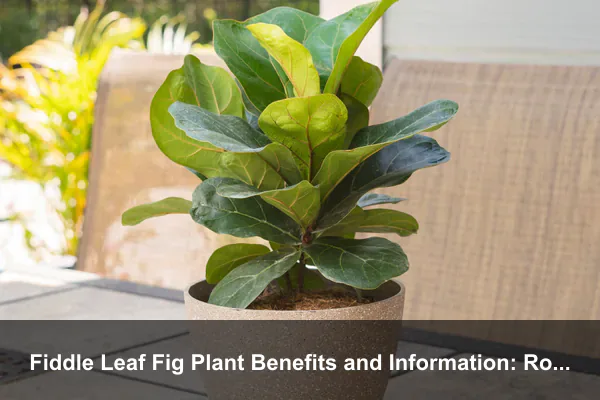
The Fiddle Leaf Fig is often judged by its dramatic leaves, but its real success begins below the soil. If the roots are healthy, the plant can hold its upright shape, support larger foliage, recover from minor stress, and remain a beautiful indoor feature for years. This root-first guide gives practical Fiddle Leaf Fig plant benefits and information for anyone who wants a stronger, cleaner, and more reliable houseplant.
Unlike quick care tips that focus only on light or leaf shine, this article explains how soil, drainage, watering rhythm, repotting, and root observation affect the everyday value of Ficus lyrata. It is especially useful for indoor plant lovers who want the benefits of ornamental greenery without guessing every time a leaf droops, browns, or drops.
Why Root Health Matters for Fiddle Leaf Fig Benefits
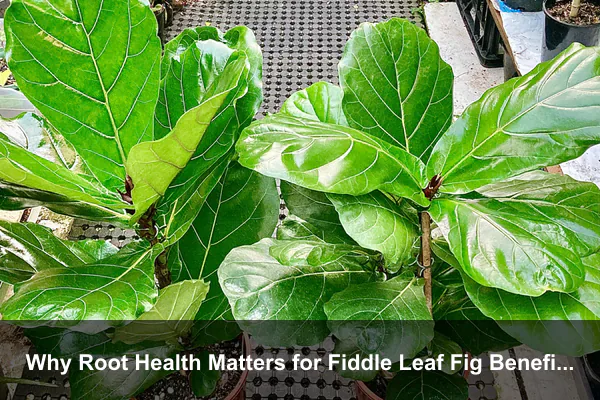
The Fiddle Leaf Fig plant is valued for its bold vertical form, broad violin-shaped leaves, and ability to make a room feel more natural. In the context of manfaat tanaman, or plant benefits, it offers visual comfort, decorative structure, and a meaningful indoor care routine. However, these benefits depend heavily on whether the root system can breathe, absorb water, and support stable growth.
A Fiddle Leaf Fig with weak roots may still look attractive for a short time, but problems often appear later. Leaves can yellow, brown at the edges, curl, sag, or fall suddenly. Many owners blame the visible leaves first, when the actual issue is often compacted soil, poor drainage, inconsistent moisture, or a pot that no longer matches the plant’s root size.
Key Benefits of a Well-Rooted Plant
- Better leaf support: Healthy roots help the plant maintain large, upright leaves.
- More stable indoor growth: A balanced root zone reduces sudden stress after watering changes.
- Cleaner home styling: A thriving plant looks intentional, not messy or neglected.
- Longer plant lifespan: Strong roots make the plant easier to maintain over several years.
- Lower waste: Good care reduces the need to replace struggling plants repeatedly.
This does not mean the Fiddle Leaf Fig is a magical air purifier or a cure for stress. Its real benefit is more practical: it brings living structure into the home and encourages steady, observant plant care.
Basic Fiddle Leaf Fig Information for Indoor Growers
The Fiddle Leaf Fig, botanically known as Ficus lyrata, is a tropical plant native to parts of western Africa. Indoors, it is usually grown as a potted tree or single-stem statement plant. Its large leaves make it popular in living rooms, offices, entry corners, and bright bedrooms.
What Makes It Different from Smaller Houseplants?
This plant has a larger canopy than many common indoor plants. Because each leaf is broad and heavy, the root system must supply consistent moisture and nutrients. The plant also reacts strongly to abrupt changes in light, temperature, watering, and location. That is why a root-first approach is so useful: it creates a stable base before cosmetic problems appear.
Quick Plant Profile
- Botanical name: Ficus lyrata
- Common name: Fiddle Leaf Fig
- Plant type: Tropical ornamental houseplant
- Best indoor light: Bright, indirect light with gentle morning sun if acclimated
- Soil preference: Airy, well-draining potting mix
- Watering style: Deep watering after the upper soil dries partially
- Pet safety: Toxic if chewed by cats, dogs, or children because of irritating sap
The Best Soil Mix for Root-First Fiddle Leaf Fig Care
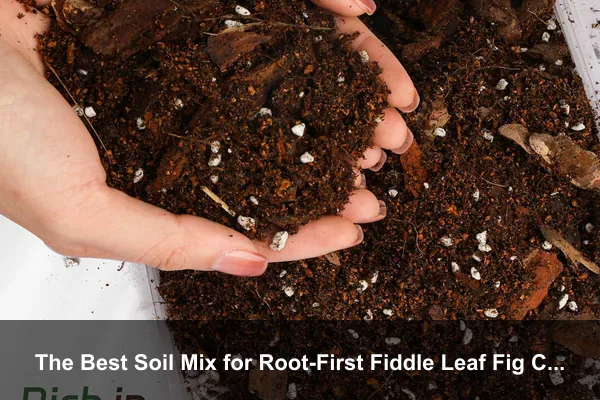
Soil is not just a place to hold the plant upright. For a Fiddle Leaf Fig, soil controls oxygen, moisture, and root movement. A dense mix can stay wet for too long, while a very loose mix may dry too quickly. The goal is balance: moisture should be available, but excess water should drain away.
What a Good Mix Should Do
A practical Fiddle Leaf Fig mix should hold enough water for large leaves while leaving air pockets around the roots. Roots need oxygen as much as they need moisture. When soil remains soggy, oxygen disappears and root rot risk rises.
A useful blend can include:
- High-quality indoor potting soil for the base
- Perlite or pumice to improve drainage
- Orchid bark or coco chips to create air pockets
- A small amount of compost or worm castings for mild nutrition
Avoid using heavy garden soil indoors. It can compact inside pots, drain poorly, and bring pests or pathogens into the home. If your plant came from a nursery in very dense soil, consider repotting after it adjusts to your home rather than immediately disturbing it.
Signs the Soil Is Working
- Water drains from the bottom after a full watering.
- The top layer dries gradually, not within a few hours and not after several weeks.
- The plant stands firm without the soil becoming hard like clay.
- New leaves emerge without repeated yellowing or black spots.
Watering by the Root Zone, Not by the Calendar
One of the most important pieces of Fiddle Leaf Fig plant benefits and information is this: watering should respond to the soil, not to a fixed weekly schedule. A plant in a bright, warm room may need water more often than one in a cool corner. A large ceramic pot dries differently from a plastic nursery pot.
How to Check Before Watering
- Touch the top 2 to 3 inches of soil.
- If it still feels moist, wait a few more days.
- If it feels mostly dry, water deeply until excess drains out.
- Empty the saucer so the pot is not sitting in standing water.
This method supports root health because it gives the plant a cycle of moisture and oxygen. Constantly wet soil can suffocate roots, while repeated underwatering can cause leaf droop, dry edges, and stress.
Common Watering Mistakes
- Small sips: Light surface watering may leave lower roots dry.
- Standing water: Water trapped in a saucer can cause root rot.
- Calendar watering: Weekly watering may be too much or too little depending on conditions.
- Ignoring pot size: Large pots hold moisture longer than small pots.
Choosing the Right Pot for Healthy Growth
A beautiful pot can improve interior design, but the practical structure matters most. The best container for a Fiddle Leaf Fig has drainage holes, stable weight, and enough room for roots without being oversized.
Drainage Is Non-Negotiable
A decorative pot without drainage may look clean, but it increases risk. If you love a sealed planter, use it as a cachepot: keep the plant in a nursery pot with drainage, then place that inside the decorative outer pot. Remove the inner pot for watering, let it drain fully, and return it afterward.
When to Repot
Most indoor Fiddle Leaf Figs do not need frequent repotting. Repot when the roots circle tightly, water runs straight through without soaking, the plant dries too quickly, or growth slows despite good light and care. Move up only one pot size at a time. An oversized pot can hold too much wet soil around the roots.
Root Problems and What the Leaves Are Telling You
Fiddle Leaf Fig leaves often act like a signal board for root conditions. While not every leaf issue comes from the roots, many do. Learning the difference helps you respond calmly instead of overcorrecting.
Yellow Leaves
Yellowing can happen when roots stay too wet, when the plant lacks nutrients, or when older leaves naturally age. If several lower leaves yellow after frequent watering, check the soil moisture and drainage first.
Brown Spots
Dark, soft brown patches may point to excess moisture or root stress. Dry, crispy brown edges can come from underwatering, dry air, salt buildup, or inconsistent watering. Inspect the soil before changing everything at once.
Drooping Leaves
Drooping can mean thirst, but it can also mean roots are damaged and cannot absorb water properly. If the soil is wet and the plant is drooping, do not add more water. Let the soil breathe and check for root rot if the problem continues.
Practical Benefits for the Home
A healthy Fiddle Leaf Fig offers more than attractive foliage. It can shape how a room feels and how people interact with indoor space. Its height draws the eye upward, its leaves soften hard furniture lines, and its care routine encourages observation.
Design and Atmosphere
The plant works well as a living focal point in bright interiors. It can fill an empty corner, balance tall shelves, or add a natural element beside neutral furniture. Because it has large leaves rather than many small vines, it creates a clean and sculptural look.
Wellness Value Without Exaggeration
Indoor plants can support a calmer environment by adding nature, routine, and visual softness. The Fiddle Leaf Fig is especially useful for people who enjoy caring for one significant plant rather than managing many small pots. Its benefit is not a guaranteed health outcome, but a more grounded and pleasant indoor setting.
Safety and Responsible Placement
Fiddle Leaf Fig sap can irritate the mouth, skin, and digestive system if chewed or handled carelessly. Keep the plant away from pets and young children who may bite leaves. Wear gloves if you are pruning or handling broken stems, and wash hands afterward.
Placement should also protect the plant. Avoid cold drafts, heating vents, and narrow walkways where leaves get bumped. A stable bright location is better than frequent moving. Once the plant adapts, consistency becomes part of its care.
A Simple Monthly Root-First Care Routine
You do not need complicated tools to keep a Fiddle Leaf Fig healthy. A simple monthly rhythm can prevent many problems before they become serious.
- Check soil moisture depth before every watering.
- Rotate the pot slightly once or twice a month for even growth.
- Wipe dust from leaves with a damp cloth.
- Inspect the soil surface for fungus gnats or mold.
- Look under leaves for pests such as scale or spider mites.
- Confirm that drainage holes are not blocked.
- Review whether light has changed because of curtains, seasons, or furniture movement.
This routine supports both the visible beauty and hidden root strength of the plant. It also makes care easier because you notice small changes early.
Conclusion
The most useful way to understand Fiddle Leaf Fig plant benefits and information is to look beyond the dramatic leaves and care for the roots first. Healthy roots support stronger foliage, better indoor appearance, fewer sudden problems, and a longer-lasting ornamental plant.
With bright indirect light, airy soil, proper drainage, careful watering, and responsible placement, the Fiddle Leaf Fig can become a valuable part of indoor living. Its greatest benefit is not perfection, but the steady beauty of a well-grown plant that brings structure, greenery, and a more natural feeling into the home.
