
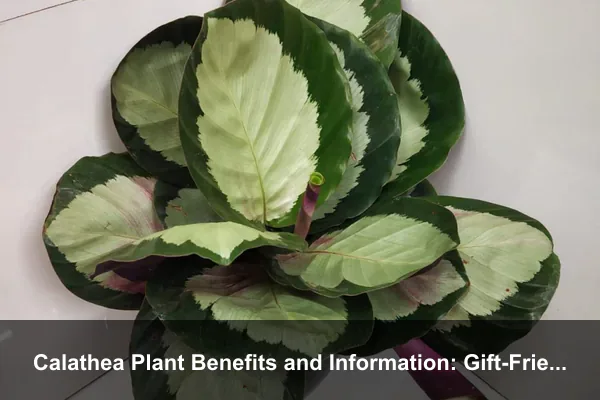
Calathea plants are often chosen for their dramatic leaf patterns, but their real value goes beyond decoration. When you understand the right Calathea plant benefits and information, this tropical foliage plant becomes easier to choose, easier to give as a gift, and easier to keep attractive in an indoor setting. It offers color, texture, movement, and a sense of living detail without relying on flowers, fragrance, or a large footprint.
This guide takes a unique angle: Calathea as a gift-friendly living art plant. Instead of only discussing basic care, it focuses on how to select a healthy plant, match it to the right recipient or room, present it well, and keep it thriving after the first few weeks. If you want a houseplant that feels thoughtful, refined, and visually memorable, Calathea can be an excellent choice when its needs are respected.
Why Calathea Makes a Memorable Indoor Plant Gift
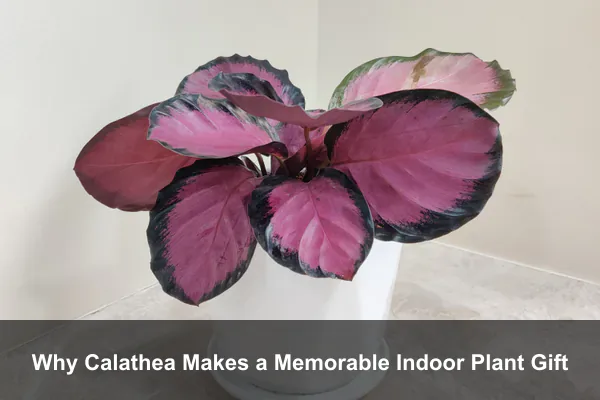
A Calathea is not the easiest houseplant in the world, but it is one of the most expressive. Its patterned leaves can look painted, striped, feathered, or brushed with silver and pink. This makes it feel more personal than a plain green plant and more lasting than a bouquet. For many indoor plant lovers, the main Calathea plant benefits and information begin with its ability to bring natural ornament into daily life.
As a gift, Calathea works best for someone who enjoys visual detail and does not mind a simple care rhythm. It suits birthdays, housewarmings, desk refreshes, new apartments, and thoughtful thank-you gifts. Because it is grown for foliage rather than flowers, it can look attractive throughout the year when light, watering, and humidity are managed well.
Practical benefits that make Calathea gift-worthy
- High decorative value: Calathea leaves add color and pattern without needing blooms.
- Compact presence: Many varieties fit shelves, plant stands, desks, and small corners.
- Gentle indoor character: It is typically non-fragrant, making it useful for scent-sensitive spaces.
- Pet-aware appeal: Calathea is commonly listed as non-toxic to cats and dogs, though chewing should still be discouraged.
- Conversation value: The leaves often shift position between day and night, giving the plant a subtle sense of movement.
The best gifts are not only beautiful on the day they are received. They also fit the recipient’s space and lifestyle. A Calathea given to someone with bright indirect light, a stable room temperature, and an interest in gentle care has a much better chance of becoming a long-term favorite.
Essential Calathea Plant Information Before Buying
Calathea is a common houseplant name used for several tropical foliage plants in the Marantaceae family. Many plants still sold as Calathea have been reclassified under the genus Goeppertia, but the older name remains widely used in garden centers and online shops. For everyday plant care, the label matters less than understanding the plant’s preferred environment.
In nature, these plants come from warm, humid forest regions where they grow under filtered light. That explains several important care preferences. They dislike harsh sun, dry air, cold drafts, and long periods of bone-dry soil. They usually prefer steady moisture, airy potting mix, and bright but indirect light.
What Calathea is grown for
Calathea is primarily an ornamental foliage plant. It is not an edible herb, a medicinal cure, or a plant that should be promoted with exaggerated health claims. Its value is realistic and still meaningful: it improves the look and feel of indoor spaces, supports plant-care routines, and adds biophilic texture to rooms where people live, work, read, or rest.
Popular types to consider
- Calathea orbifolia: Large round leaves with soft silver-green striping, ideal for a calm modern look.
- Calathea makoyana: Often called peacock plant, with detailed markings that suit decorative shelves and plant collections.
- Calathea lancifolia: Often sold as rattlesnake plant, with narrow wavy leaves and bold spotting.
- Calathea roseopicta: Known for colorful markings, often including pink, cream, or deep green patterning.
- Calathea warscewiczii: Valued for velvety leaves and a richer, more dramatic texture.
For beginners, the best choice is usually not the rarest plant. Choose a variety that is widely available, visibly healthy, and suited to the light and humidity of the room where it will live.
How to Choose a Healthy Calathea at the Shop
Buying well is one of the most overlooked parts of Calathea success. A stressed plant can decline quickly after coming home, even if the buyer follows good care advice. Before paying, look closely at the plant from leaf tip to pot base. Healthy leaves, clean stems, and a stable root zone matter more than a perfect label photo.
Healthy plant checklist
- Inspect the leaves: Choose leaves with strong color, clear patterns, and only minimal edge browning.
- Check the undersides: Look for webbing, sticky residue, tiny moving pests, or pale speckling that may suggest mites or insects.
- Feel the pot weight: A plant should not be sitting in sour, soggy soil or completely dry, collapsed mix.
- Look at new growth: Rolled new leaves are a good sign when the rest of the plant looks firm and clean.
- Avoid severe curling: Slight movement is normal, but tightly curled leaves at the store can indicate stress.
- Check the pot size: A very large decorative pot around a small root ball can hold too much moisture.
If you are buying Calathea as a gift, avoid plants that already need rescue. A plant with crispy edges, yellow leaves, or visible pests may seem like a bargain, but it passes a problem to the recipient. A smaller, healthier plant is usually a better gift than a larger, stressed one.
Questions to ask before gifting
Before choosing a variety, think about the recipient’s environment. Do they have a bright room without direct afternoon sun? Are they comfortable checking soil moisture? Do they travel often? Do they use strong air conditioning? Calathea can be rewarding, but it is not ideal for someone who wants to water once a month and forget about it.
For a more successful gift, include a small care note with three clear instructions: place in bright indirect light, keep soil lightly moist but not waterlogged, and avoid cold drafts. Simple guidance prevents the plant from becoming intimidating.
Styling Calathea as Living Art at Home
The phrase living art fits Calathea because its visual strength comes from leaf pattern, contrast, and shape. It can soften a minimal room, add detail to a neutral shelf, or create a focal point without flowers. The key is to style the plant in a way that supports its health instead of forcing it into a decorative spot that is too dark, too sunny, or too dry.
Choose a container that supports the leaves
Because Calathea foliage is already visually busy, simple pots usually work best. Matte white, charcoal, clay, sage, cream, or natural fiber tones allow the leaves to stand out. Avoid overly colorful pots that compete with the plant’s markings. A pot with drainage is strongly preferred; if using a cachepot, keep the nursery pot inside it and remove excess water after watering.
Use contrast without clutter
Calathea pairs well with plain surfaces and calmer plant forms. Place it near simple trailing plants, upright palms, or solid green foliage if you want a layered display. Avoid crowding it tightly between objects because the leaves need airflow and space to open naturally. A single Calathea on a small plant stand can look more intentional than five plants squeezed into one dim corner.
Good places to display Calathea
- Beside a reading chair with filtered daylight.
- On a console table away from hot window glass.
- In a bright bathroom with natural light and good ventilation.
- Near a work desk where its pattern can be enjoyed without blocking movement.
- On a low plant stand in a living room corner with steady indirect light.
Styling should never ignore plant behavior. If the leaves fade, crisp, curl, or lean strongly, the display location may need adjustment. A beautiful setup that slowly weakens the plant is not a successful design choice.
First 30 Days of Calathea Care After Purchase
The first month is important because Calathea often reacts to a change in light, water, humidity, and temperature. Even a healthy plant may pause growth or show minor edge browning while adapting. Good early care is calm and consistent, not excessive. Do not repot immediately unless the soil is clearly poor, compacted, smelly, or pest-infested.
Light during acclimation
Place Calathea in bright indirect light. A spot near an east-facing window, a few feet from a bright filtered window, or behind a sheer curtain often works well. Direct afternoon sun can scorch or fade the leaves, while deep shade can slow growth and weaken pattern intensity. If the plant was purchased from a greenhouse or bright shop, introduce it gradually to its final home location.
Watering rhythm
Calathea generally prefers soil that stays lightly moist, not swampy. Check the top layer of soil with a finger before watering. If the upper inch feels slightly dry, water thoroughly and let excess drain away. Never leave the pot standing in water for long periods. Overwatering can suffocate roots, while repeated drought can cause curling and crispy edges.
Many Calathea owners notice sensitivity to water quality. If leaf edges brown despite good humidity and careful watering, try filtered water, rainwater where safe, or water that has sat out overnight. This is not a magic fix for every problem, but it can reduce stress in some indoor conditions.
Humidity and temperature
Calathea prefers moderate to high humidity and steady warmth. Aim for a comfortable indoor range rather than extremes. Keep it away from cold windows, heater vents, strong fans, and air conditioners that blow directly on the leaves. A pebble tray, grouped plants, or a small humidifier can help in dry rooms, especially during heating or dry-season conditions.
Realistic Benefits for Indoor Comfort and Well-Being
Calathea plant benefits and information should be presented honestly. This plant can make rooms feel calmer, greener, and more cared for, but it should not be described as a medical treatment or a substitute for ventilation, cleaning, or professional health advice. Its strongest benefits are sensory, decorative, routine-based, and emotional.
Visual calm without fragrance
Some people enjoy scented flowers and herbs, while others prefer plants that add beauty without aroma. Calathea is useful in fragrance-free homes, shared rooms, and quiet work areas because its appeal comes from foliage. The patterned leaves create interest without filling the air with perfume.
A gentle routine for plant owners
Caring for Calathea encourages observation. Owners learn to notice soil moisture, leaf posture, light changes, and seasonal room conditions. This can turn plant care into a simple daily or weekly ritual. The benefit is not that the plant fixes stress by itself, but that it invites slower attention in a busy indoor environment.
Biophilic design value
Biophilic design focuses on connecting indoor spaces with natural forms. Calathea supports that idea through repeated leaf patterns, organic shapes, and visible growth. In a home office, bedroom corner, or sitting area, it can soften hard surfaces and add a living focal point. Its size also makes it useful for renters and small-space dwellers who cannot make permanent design changes.
For the best indoor comfort, combine Calathea with practical habits: open windows when outdoor conditions are suitable, dust surfaces, maintain good airflow, and avoid overfilling rooms with plants that cannot receive enough light.
Common Calathea Problems and Simple Fixes
Even well-cared-for Calathea plants can show stress. The goal is not perfection; the goal is to read symptoms early and respond logically. Many problems come from light, moisture, humidity, temperature, pests, or a combination of small stresses.
Curling leaves
Curling can happen when the plant is thirsty, cold, exposed to direct sun, or sitting in very dry air. First check soil moisture. If the mix is dry, water thoroughly. If the soil is wet and the leaves still curl, check for cold drafts, root stress, or pests. Avoid automatically adding more water before understanding the cause.
Brown crispy edges
Brown edges are common in Calathea and often relate to dry air, inconsistent watering, mineral-heavy water, or old leaf age. Trim only the dead edge with clean scissors if appearance bothers you. Improve consistency rather than chasing instant perfection. New leaves are a better measure of progress than old damaged ones.
Yellow leaves
Yellowing may indicate overwatering, poor drainage, natural aging, or root problems. If several lower leaves turn yellow at once and the soil stays wet for many days, inspect drainage and consider whether the potting mix is too dense. Calathea roots need moisture, but they also need oxygen.
Faded patterns
Faded or washed-out leaves may result from too much direct sun. Move the plant to filtered light and watch new growth. Older leaves may not fully regain their previous contrast, but future leaves can improve when conditions are corrected.
Pests
Spider mites, thrips, and mealybugs can affect Calathea, especially in dry indoor conditions. Inspect leaf undersides regularly. If pests appear, isolate the plant, rinse leaves gently, and use an appropriate houseplant-safe treatment according to label directions. Repeated inspections are important because one treatment rarely solves a full pest cycle.
Ethical and Practical Buying Tips
A thoughtful Calathea purchase considers more than the leaf pattern. The healthiest plant for your home is one that has been grown, transported, and sold in a condition that gives it a fair chance. This matters even more when the plant is a gift, because the recipient should receive beauty, not hidden stress.
Buy for conditions, not trends
Rare varieties may look exciting online, but they are not always the best choice. Some are more expensive, more sensitive, or harder to replace if they decline. A common, vigorous Calathea can offer more long-term satisfaction than a delicate collector plant in the wrong home.
Check packaging and transport
Calathea leaves can suffer during cold, heat, and rough handling. If ordering online, consider local weather and shipping speed. Avoid ordering during extreme heat or cold unless the seller offers proper protection. If buying in person, wrap the plant for transport and do not leave it in a hot car or cold vehicle.
Think about potting materials
When possible, choose quality potting mix, durable pots, and reusable containers. A simple nursery pot inside a washable decorative cachepot is often more practical than a sealed pot with no drainage. This approach supports both plant health and low-waste indoor gardening habits.
How to Give Calathea as a Thoughtful Plant Gift
Presentation makes Calathea feel special, but the plant’s long-term care should remain the priority. Do not wrap the soil surface in plastic that traps water for days. Do not place decorative stones so thickly that the recipient cannot check moisture. Keep the gift attractive, but easy to care for.
What to include with the plant
- A pot with drainage or a nursery pot inside a decorative outer pot.
- A short care card with light, watering, and draft warnings.
- The plant name and variety if known.
- A note explaining that minor leaf movement and occasional older leaf loss are normal.
- Optional filtered water advice if the recipient lives in an area with hard tap water.
If the recipient is new to houseplants, choose a medium-sized plant rather than a large specimen. Medium plants are easier to move, inspect, water, and acclimate. They also make it easier to learn the plant’s signals without feeling overwhelmed.
Conclusion
Calathea is a beautiful choice for anyone who values patterned foliage, compact indoor greenery, and a plant that feels more like living art than background decor. The most useful Calathea plant benefits and information are practical: choose a healthy plant, give it bright indirect light, keep moisture consistent, protect it from dry drafts, and style it where its leaves can be seen without sacrificing its needs.
As a gift, Calathea is best for someone who appreciates detail and is willing to offer steady care. It is not a forget-and-ignore plant, but it does reward attention with striking leaves and a refined indoor presence. With thoughtful selection and a realistic care routine, Calathea can bring lasting beauty to homes, desks, shelves, and small rooms while staying distinct from ordinary green houseplants.
