
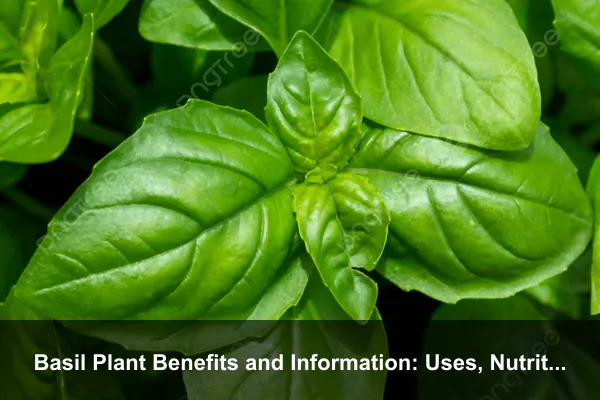
Basil is one of the most useful herbs you can grow at home. Known for its fresh aroma, bright green leaves, and unmistakable flavor, the basil plant is more than a kitchen ingredient. It is a practical herb for cooking, a fragrant addition to gardens and balconies, and a beginner-friendly plant that rewards regular care with continuous harvests.
This guide covers essential basil plant benefits and information, including its common uses, nutritional value, popular varieties, growing requirements, harvesting tips, and simple ways to keep the plant healthy. Unlike ornamental houseplants grown mainly for foliage or indoor decoration, basil is an edible herb with everyday value in food, wellness routines, and small-space gardening.
What Is a Basil Plant?
Basil, botanically known as Ocimum basilicum, is a tender herb in the mint family. It is widely grown for its aromatic leaves, which are used fresh or dried in many cuisines. The plant usually has soft green stems, oval leaves, and a strong scent that can range from sweet and peppery to lemony, spicy, or clove-like depending on the variety.
Most gardeners grow basil as an annual herb, meaning it completes its main growing cycle in one season. In warm climates, it may live longer, but it generally performs best when regularly harvested and replanted as needed. Basil prefers warmth, sunlight, and well-draining soil, making it ideal for garden beds, containers, kitchen windowsills, patios, and balcony planters.
Popular Basil Varieties
There are many types of basil, and each one has a slightly different flavor, aroma, and best use. Common varieties include:
- Sweet basil: The classic basil used in pesto, pasta, salads, and tomato-based dishes.
- Genovese basil: A popular Italian variety with large leaves and strong flavor, often used for pesto.
- Thai basil: A spicy, anise-scented basil commonly used in Southeast Asian cooking.
- Lemon basil: A citrus-scented variety that works well in teas, seafood dishes, and fresh sauces.
- Holy basil: Also known as tulsi, this variety is often used in traditional herbal preparations.
- Purple basil: A decorative edible basil with deep purple leaves and a slightly stronger flavor.
Key Basil Plant Benefits
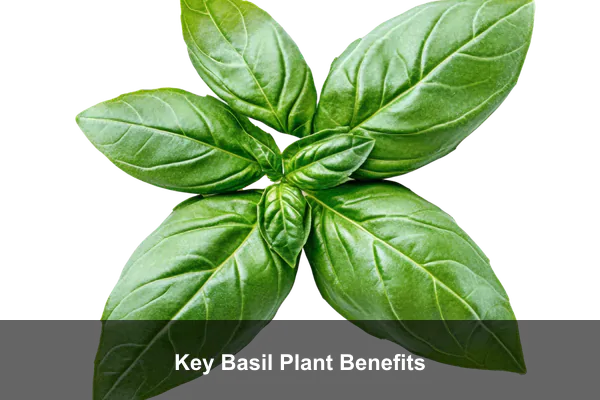
The main benefits of basil come from its culinary usefulness, fragrance, nutrients, and ease of growth. While basil should not be treated as a replacement for medical care, it can be a valuable part of a healthy lifestyle and a productive home garden.
1. Adds Fresh Flavor Without Heavy Ingredients
One of the most practical basil plant benefits is its ability to make food taste brighter without relying on heavy sauces, excess salt, or artificial flavoring. A handful of fresh basil can improve simple meals such as eggs, sandwiches, soups, roasted vegetables, grilled chicken, pasta, and rice bowls.
Because basil has a naturally sweet, peppery aroma, it pairs especially well with tomatoes, garlic, olive oil, mozzarella, lemon, zucchini, eggplant, and beans. This makes it useful for home cooks who want meals that taste fresh but remain simple and affordable.
2. Provides Helpful Plant Nutrients
Basil leaves contain small amounts of vitamins, minerals, and plant compounds. Fresh basil may provide vitamin K, vitamin A compounds, manganese, magnesium, calcium, and antioxidant compounds. Since basil is usually eaten in modest amounts, it should be seen as a supportive ingredient rather than a major nutrient source.
Still, adding fresh herbs like basil can improve the overall quality of meals. Herbs encourage people to eat more vegetables, prepare food at home, and reduce dependence on highly processed seasonings.
3. Naturally Aromatic and Pleasant in the Garden
Basil has a strong herbal fragrance that makes patios, balconies, and kitchen gardens feel fresher. The scent is released when the leaves are touched, trimmed, or warmed by sunlight. This makes basil enjoyable not only as an edible crop but also as a sensory plant for small garden spaces.
4. Supports Pollinators When Allowed to Flower
If basil is allowed to produce flowers, bees and other pollinators may visit the blooms. Many gardeners pinch flowers off to keep leaf production strong, but leaving one or two plants to flower near the end of the season can support garden biodiversity.
5. Easy to Grow in Small Spaces
Basil does not require a large garden. It grows well in pots, raised beds, grow bags, and compact herb planters. This makes it suitable for apartment balconies, sunny windows, small patios, and beginner herb gardens.
How to Grow Basil Successfully
Growing basil is simple when you understand its basic needs. The plant grows fastest in warm conditions with enough sun, consistent moisture, and regular harvesting.
Light Requirements
Basil grows best with at least six hours of bright light per day. Outdoors, place it in a sunny location. Indoors, choose the brightest window available, preferably one that receives direct morning or afternoon light. If natural light is weak, a grow light can help keep the plant compact and productive.
Soil and Potting Needs
Basil prefers loose, well-draining soil that holds some moisture without becoming soggy. For containers, use a quality potting mix rather than heavy garden soil. The pot should have drainage holes to prevent root problems.
A container that is too small can dry out quickly and restrict growth. For one basil plant, a pot around 6 to 10 inches wide is usually practical. Larger containers can support multiple plants if they are spaced properly.
Watering Tips
Basil likes consistent moisture, but it does not like sitting in water. Water when the top inch of soil feels dry. During hot weather, potted basil may need water more often because containers dry faster than garden beds.
- Water at the soil level instead of soaking the leaves.
- Avoid letting the pot stand in a saucer full of water.
- Check container basil daily during very hot days.
- Mulch outdoor basil lightly to help retain soil moisture.
Temperature and Climate
Basil is a warm-season herb. It grows best in mild to hot weather and can suffer when exposed to cold temperatures. Avoid planting basil outside until nights are consistently warm. If a cold spell is expected, move potted basil indoors or cover outdoor plants temporarily.
Harvesting Basil for Better Growth
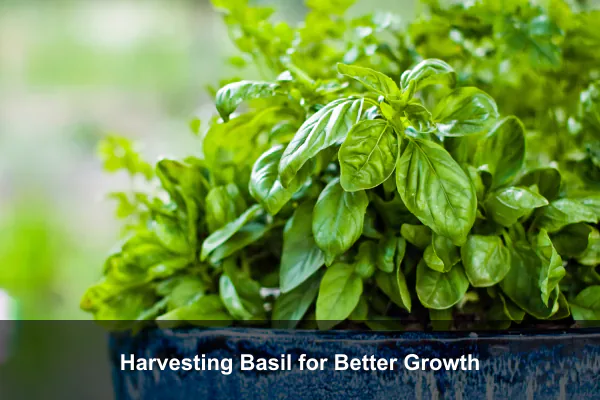
Harvesting is not just about taking leaves for cooking. Regular picking helps basil grow bushier and delays flowering. The more correctly you harvest, the more useful the plant becomes.
When to Start Harvesting
You can begin harvesting basil once the plant has several sets of healthy leaves and is around 6 to 8 inches tall. Avoid removing too much from a very young plant. Start with small cuttings, then harvest more often as the plant becomes established.
How to Harvest Basil Leaves
The best method is to cut stems just above a pair of leaves. This encourages the plant to branch from that point. Instead of picking random single leaves from the bottom, trim the top growth regularly to create a fuller plant.
- Choose a healthy stem with several leaves.
- Find a leaf pair below the top growth.
- Cut just above that leaf pair using clean scissors.
- Use fresh basil immediately or store it properly.
Preventing Basil From Flowering Too Early
When basil begins to flower, the leaves may become smaller and slightly more bitter. To keep the plant focused on leaf production, pinch off flower buds as soon as they appear. If you want seeds or pollinator flowers, allow one plant to bloom while keeping others trimmed for harvest.
Best Ways to Use Basil in Food
Basil is most flavorful when used fresh, especially near the end of cooking. High heat can reduce its aroma, so fresh basil is often added just before serving.
Everyday Culinary Uses
- Add fresh basil to tomato salads, pasta, pizza, and sandwiches.
- Blend basil with olive oil, garlic, nuts, and cheese to make pesto.
- Stir chopped basil into soups after turning off the heat.
- Use Thai basil in stir-fries, curries, noodle dishes, and rice bowls.
- Add lemon basil to iced tea, fruit salads, or seafood dishes.
Fresh vs. Dried Basil
Fresh basil has a brighter and sweeter flavor, while dried basil is more concentrated and earthy. Fresh basil is best for salads, pesto, garnish, and dishes where aroma matters. Dried basil works well in sauces, soups, marinades, and slow-cooked meals.
As a general guide, use less dried basil than fresh basil because dried herbs are stronger by volume. However, taste should guide the final amount.
Common Basil Plant Problems
Basil is beginner-friendly, but it can still develop problems when light, water, spacing, or temperature are not right. Most issues are easier to prevent than fix.
Yellow Leaves
Yellowing leaves may be caused by overwatering, poor drainage, low nutrients, or lack of sunlight. Check the soil before watering and make sure the pot drains well. If the plant is pale and slow-growing, it may need more light or a gentle feeding.
Wilting
Wilting can happen when basil is too dry, too hot, or suffering from root stress. If the soil is dry, water thoroughly and allow excess water to drain. If the soil is wet but the plant still wilts, root problems may be present.
Leggy Growth
Leggy basil usually needs more light or more frequent pruning. Move the plant to a brighter spot and trim the top stems to encourage branching.
Pests
Aphids, whiteflies, and other small pests may appear on basil. Inspect the undersides of leaves regularly. A strong rinse of water or gentle insecticidal soap may help, but always follow product directions carefully, especially for edible plants.
Storing and Preserving Basil
Fresh basil is delicate and can wilt quickly after harvest. For short-term storage, place stems in a small glass of water like a bouquet and keep them at room temperature. Avoid storing fresh basil in very cold conditions, as the leaves may darken.
Simple Preservation Methods
- Freeze chopped basil: Mix chopped leaves with a little water or olive oil and freeze in small portions.
- Make pesto: Prepare pesto and freeze it in small containers or cubes.
- Dry the leaves: Air-dry or use a dehydrator, then store in an airtight container.
- Infuse oil carefully: Use safe food-handling methods and refrigeration when making herb oils.
For the best flavor, use preserved basil within a reasonable time. Dried herbs gradually lose aroma, especially when exposed to heat, light, or air.
Is Basil Safe?
Basil is widely used as a culinary herb and is generally safe for most people in normal food amounts. However, people with specific medical conditions, allergies, pregnancy concerns, or those taking blood-thinning medication should seek professional advice before using basil extracts, supplements, or concentrated herbal preparations.
For everyday cooking, fresh basil leaves are a common ingredient. The key is to wash the leaves well, grow them without unsafe chemicals, and use clean tools when harvesting.
Conclusion
Basil is a practical, flavorful, and rewarding herb for both new and experienced gardeners. Its benefits include fresh culinary flavor, useful nutrients, a pleasant garden aroma, pollinator-friendly flowers, and easy growth in containers or small spaces. With enough sunlight, well-draining soil, steady watering, and regular harvesting, basil can produce leaves for many meals throughout the growing season.
For anyone searching for reliable basil plant benefits and information, the most important takeaway is simple: basil is not just an herb to buy at the store. It is a living kitchen plant that can improve everyday cooking, make small gardens more productive, and introduce beginners to the satisfaction of growing edible plants at home.
